2026 Best Smart Windows Innovations for Energy Efficiency and Style?
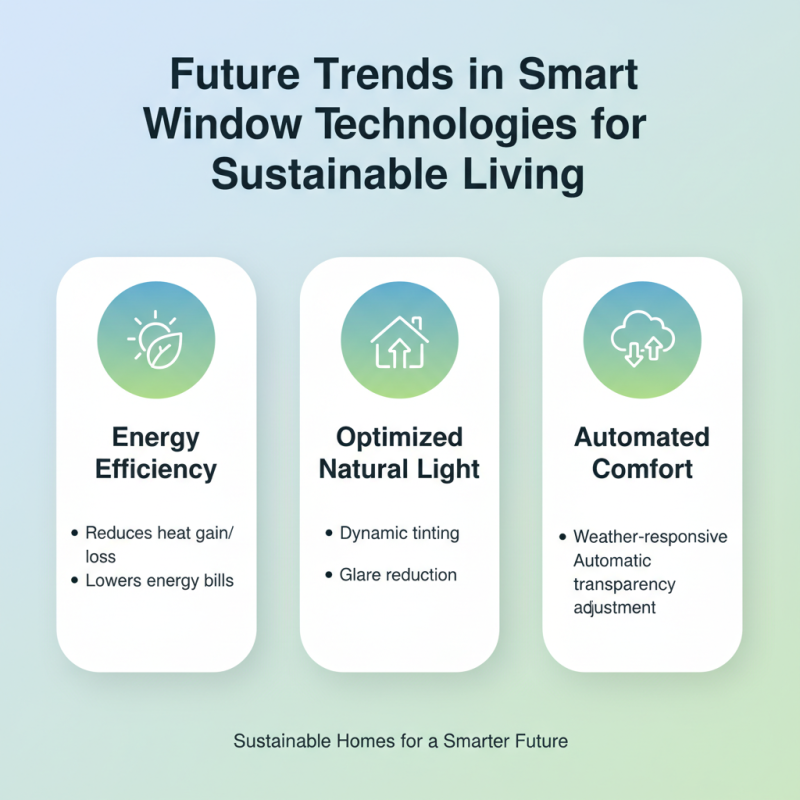
As we approach 2026, the innovations in Smart Windows are reshaping how we think about energy efficiency and design. These windows not only enhance aesthetic appeal but also promise significant energy savings. Smart Windows utilize advanced technology to regulate heat and light, creating a comfortable indoor environment.
During the upcoming 139th Canton Fair, Smart Windows will be showcased prominently among other advanced manufacturing innovations. With the introduction of AI-driven solutions, buyers can quickly find suppliers and relevant products. Smart Windows are expected to play a crucial role in this fair, attracting buyers looking for both style and sustainability.
However, the market for Smart Windows is not without challenges. Many consumers remain unaware of their benefits. Education about their long-term savings and environmental impact is essential. Innovators must address these issues to fully embrace the potential of Smart Windows in modern architecture.
Overview of Smart Windows Technology in Energy Efficiency
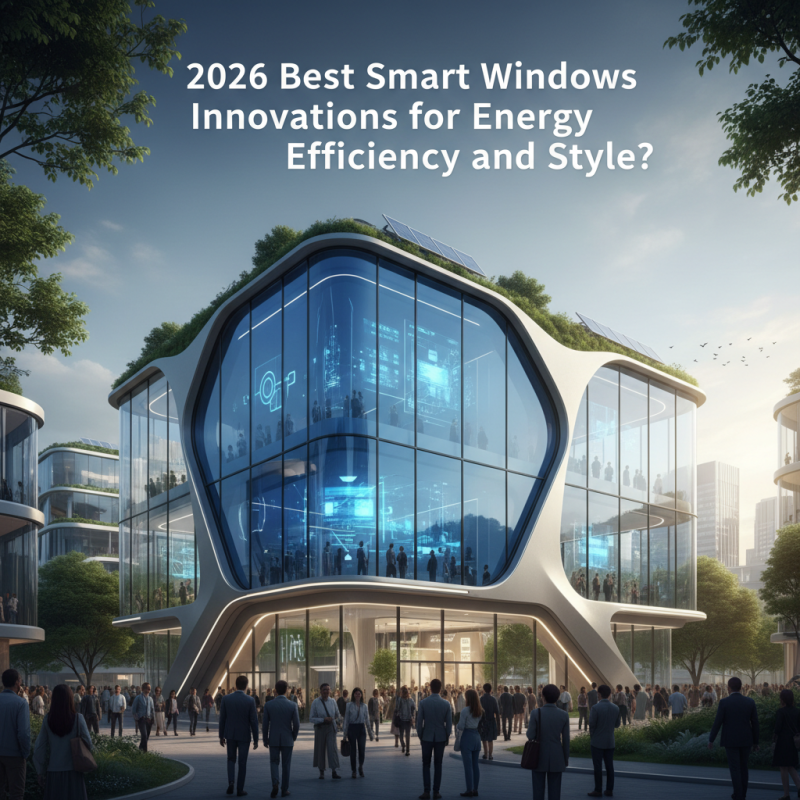
Smart windows have gained attention for their energy efficiency and aesthetic appeal. These windows can significantly reduce energy consumption in buildings. They adjust their tint based on sunlight, helping to manage heat and glare. This feature not only enhances comfort but also decreases the need for air conditioning.
These technologies can vary in effectiveness. Some designs may not respond quickly enough to changing light conditions, leading to potential energy loss. Additionally, the installation can be complex and costly. Not all homeowners may find immediate value in these innovations. As they become more prevalent, it’s important to consider their long-term impact on energy savings.
Smart windows could play a key role in sustainable architecture. Their potential to reduce carbon footprints is immense. However, ongoing advancements are crucial for maximizing their benefits. Stakeholders must prioritize user feedback to improve functionality. Evaluating the pros and cons critically will guide the future of this technology.
Key Innovations in Smart Window Materials and Design
Smart window innovations have come a long way in recent years. These advancements focus on enhancing energy efficiency while taking design into account. For instance, electrochromic glass can change its tint with a simple electrical charge. This feature allows homeowners to control natural light and regulate indoor temperatures. However, the aesthetic appeal of these windows can sometimes feel industrial. Balancing efficiency and style requires careful thought.
Another key innovation involves the use of smart materials. Thermochromic windows adjust their transparency based on temperature changes. This can help in reducing cooling costs during hot seasons. Yet, they may not always achieve the desired level of tint, leading to inconsistent performance. Integrating smart materials into design still presents challenges, especially regarding durability and cost. These issues remind designers to remain cautious while pursuing efficiency. The future of smart windows hinges on creating innovative solutions that address both functionality and visual appeal.
2026 Best Smart Windows Innovations for Energy Efficiency and Style
Integrating Smart Windows with Building Automation Systems
Smart windows are transforming how we think about energy efficiency and design. Integrating them with building automation systems can maximize their potential. Smart windows adjust light and heat based on environmental changes. This means more comfort and less reliance on HVAC systems. When combined with smart building controls, they can respond dynamically to occupancy and weather. Imagine a system that dims your windows on sunny afternoons, reducing glare and cooling costs.
However, the integration process is not without challenges. Not all building automation systems are compatible with smart window technologies. There can be technical hurdles that require specialized knowledge. Some systems may need updates to fully function together. Furthermore, the initial costs can be daunting for many. Homeowners and businesses must consider the long-term savings versus upfront investment. Balancing these considerations is crucial for effective implementation.
The design aspect also warrants attention. Aesthetic considerations often clash with functionality. Some might find that the technology does not blend seamlessly with their architectural vision. Finding a balance between style and energy efficiency is essential. It’s a complex puzzle, but one with potential rewards. As we look ahead, refining these integrations will lead to smarter, more efficient buildings.
2026 Best Smart Windows Innovations for Energy Efficiency and Style
| Innovation |
Energy Efficiency (%) |
Style Feature |
Integration Capability |
| Dynamic Tinting |
30% |
Customizable Tint Levels |
Smart Home Assistants |
| Solar Glazing |
40% |
Transparent Solar Cells |
Building Management Systems |
| Automated Shades |
25% |
Variety of Colors/styles |
Home Automation Platforms |
| Self-Cleaning Glass |
15% |
Sleek Design |
IoT Devices |
| Electrochromic Windows |
35% |
Color Changing Feature |
Smart Building Services |
Comparative Analysis of Smart Windows for Style and Aesthetics
Smart windows blend functionality with aesthetics, transforming spaces. The latest innovations incorporate advanced technologies that adjust to sunlight. This feature enhances comfort without sacrificing style.
Many designs focus on minimalism, using sleek frames that complement various decor styles. There are color-changing options that adapt throughout the day, creating dynamic visuals. However, some designs may not suit every architectural style. It’s crucial to consider harmony with existing elements in homes and buildings.
Energy efficiency is key. These windows reduce heat loss and glare. Yet, some users may find the adjustments jarring. Balancing efficiency and beauty can be challenging. Choosing the right design requires thoughtful consideration. Exploring various options is essential for a harmonious blend of style and energy efficiency.