Why Choose a Smart Sunroom for Your Home Design?
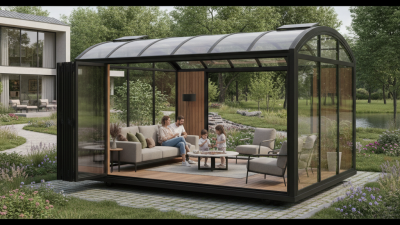
In recent years, the concept of a Smart Sunroom has gained traction among homeowners. Experts like Dr. Emily Chen, a leading authority in smart home design, emphasize, "A Smart Sunroom transforms the way we interact with nature and technology." This statement encapsulates the essence of integrating advanced technology with natural light and space.
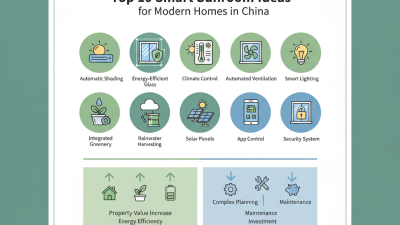
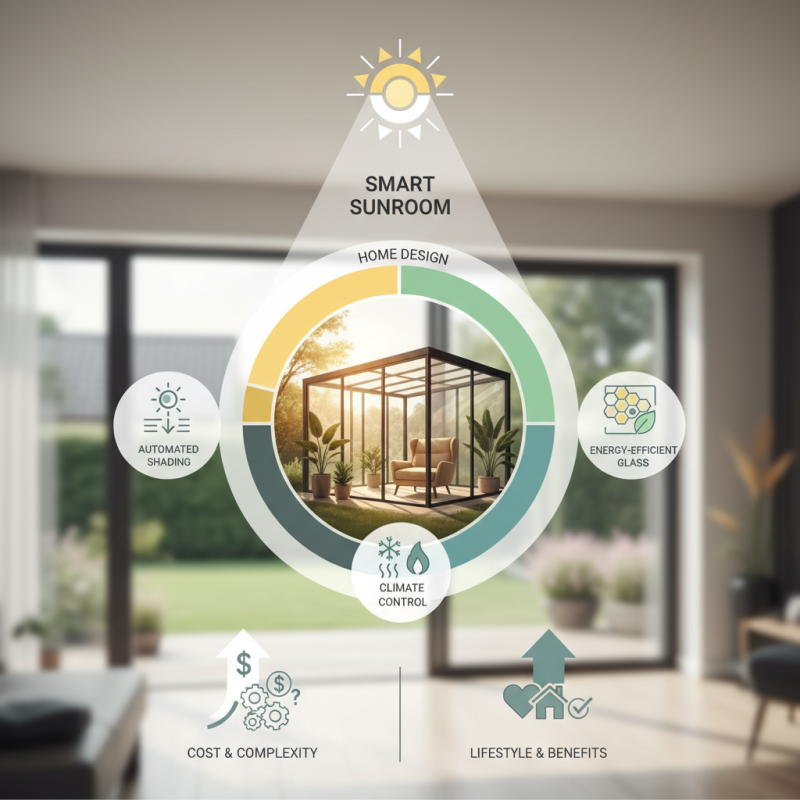
Smart Sunrooms are designed to enhance comfort and energy efficiency. They often include features such as automated shading, climate control, and energy-efficient glass. These elements work together to create an optimal environment year-round. Imagine a space that not only brightens your home but adapts to changing weather conditions.
However, it's essential to reflect on the costs and the complexity involved in such installations. While a Smart Sunroom can elevate your living experience, it also requires a thoughtful approach to design and budget. Homeowners should carefully consider their lifestyle needs and long-term benefits. Ultimately, integrating a Smart Sunroom into home design can be rewarding, but it demands careful planning and expert guidance.
Benefits of Smart Sunrooms: Enhancing Energy Efficiency in Homes
Smart sunrooms offer a unique blend of style and functionality. They maximize natural light, creating a bright, open atmosphere. This design significantly enhances a home's energy efficiency. By utilizing advanced materials and technologies, these sunrooms regulate temperature naturally. They can keep a home warm in winter and cool in summer, reducing heating and cooling costs.
Incorporating features like energy-efficient glass and automated shading systems increases performance. These elements respond to temperature changes. For instance, glass can block harmful UV rays while letting in sunlight. These innovations also create a healthier indoor environment. However, the installation process can be complex and may require expert assistance. Proper design and placement are critical for optimal results.
Many homeowners overlook potential maintenance issues associated with smart sunrooms. Regular upkeep is essential to ensure efficiency. Factors like seasonal weather can impact performance. It's important to weigh these considerations when planning your design. Smart sunrooms can significantly improve energy use while providing a comfortable living space. They encourage a more sustainable lifestyle but require thoughtful execution.
Why Choose a Smart Sunroom for Your Home Design? - Benefits of Smart Sunrooms: Enhancing Energy Efficiency in Homes
| Feature |
Description |
Energy Efficiency Benefit |
| Smart Glass Technology |
Automatically adjusts tint based on sunlight |
Reduces heat gain, lowering cooling costs |
| Automated Climate Control |
Integrated sensors monitor and adjust temperature |
Maintains comfortable temperatures, reduces energy use |
| LED Lighting |
Energy-efficient lighting systems |
Lower energy consumption compared to traditional lighting |
| Insulation |
High-performance materials that minimize heat loss |
Improves overall energy efficiency of the home |
| Solar Panels |
Can be integrated into sunroom structure |
Generates renewable energy, reduces utility bills |
| Smart Home Integration |
Works with smart home systems for remote control |
Enhances convenience and energy management |
Integrating Smart Technology: Features that Increase Home Value
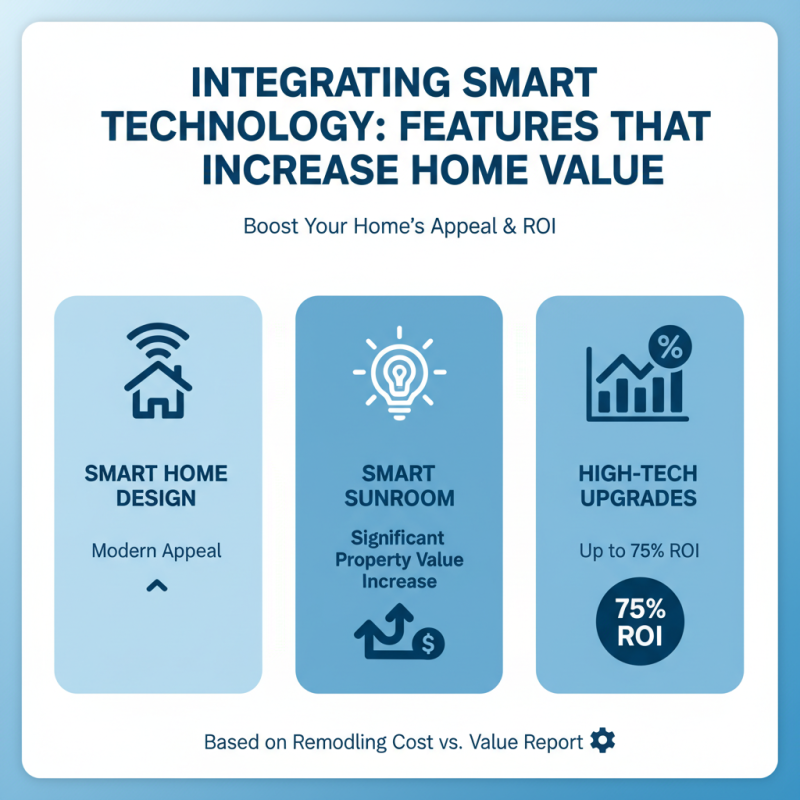
Integrating smart technology into home design is popular. A smart sunroom can significantly increase a property's value. According to a report by the Remodeling Cost vs. Value, high-tech upgrades can yield a return on investment (ROI) of up to 75%. This means spending on smart features may boost your home's appeal.
Smart sunrooms offer features such as automated climate control, energy-efficient lighting, and advanced security systems. These elements can enhance comfort while lowering energy costs. A study from the National Association of Home Builders noted that 70% of homebuyers prioritize smart home features. This statistic highlights changing buyer preferences, making your sunroom more desirable.
However, implementing smart technology isn’t without challenges. The initial investment can be high, and homeowners often overlook the importance of reliable installation and maintenance. Not all systems integrate seamlessly, leading to frustrations. Thoughtful planning is crucial to avoid these pitfalls. Balancing cost, technology, and design ensures a rewarding addition to any home.
Climate Control in Smart Sunrooms: Data on Energy Savings
Smart sunrooms offer an innovative and energy-efficient way to enhance home design. One key advantage is climate control. Recent studies indicate that properly designed smart sunrooms can reduce energy usage by up to 30%. This significant reduction not only lowers utility bills but also contributes to environmental sustainability.
Integrating advanced glazing and automated shading systems can optimize solar gain. For instance, dynamic glass adjusts based on sunlight, helping maintain a comfortable temperature inside. A report from the Department of Energy suggests that homes with effective climate control can save approximately $1,500 annually. These savings can be particularly appealing to environmentally conscious homeowners.
Tips: To enhance energy efficiency, consider using thermal insulation in your sunroom. This can help regulate temperature during extreme seasons. Additionally, monitoring your energy consumption with smart meters can identify cost-saving opportunities. Regular maintenance of windows and seals also ensures optimal performance over time.
Energy Savings in Smart Sunrooms
Smart sunrooms significantly enhance climate control in homes, resulting in notable energy savings through effective heating and cooling management. The chart above illustrates the potential energy savings in percentage terms, highlighting the benefits of integrating smart sunrooms into home design.
Impact of Smart Sunrooms on Home Aesthetics and Natural Lighting
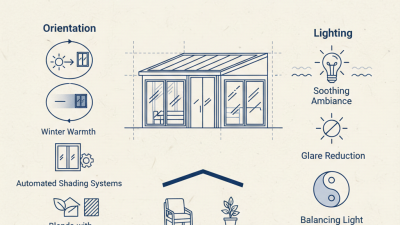
Smart sunrooms significantly enhance home aesthetics and natural lighting. With large glass panels, they create a seamless connection between indoor and outdoor spaces. This design invites sunlight to flood in, making rooms feel airy and open. The change in lighting throughout the day adds dynamic beauty. However, the glare can be overwhelming at times, impacting comfort.
Natural light has a profound effect on mood and creativity. Smart sunrooms are designed to optimize this element, with adjustable smart glass options. You can control transparency to reduce glare. This adaptability provides comfort against the sun’s harsh rays while still maintaining brightness. Yet, managing the balance between light and temperature can be tricky.
Incorporating smart technology allows homeowners to customize their environment. Automated shades can adjust with the sun’s position. Still, users may find that the system requires some learning. Understanding how to optimize light can take time and patience. Despite these challenges, the evolving functionality of smart sunrooms contributes to a nurturing atmosphere, enriching the overall living experience.
Long-Term Investment: ROI of Smart Sunrooms in Home Design
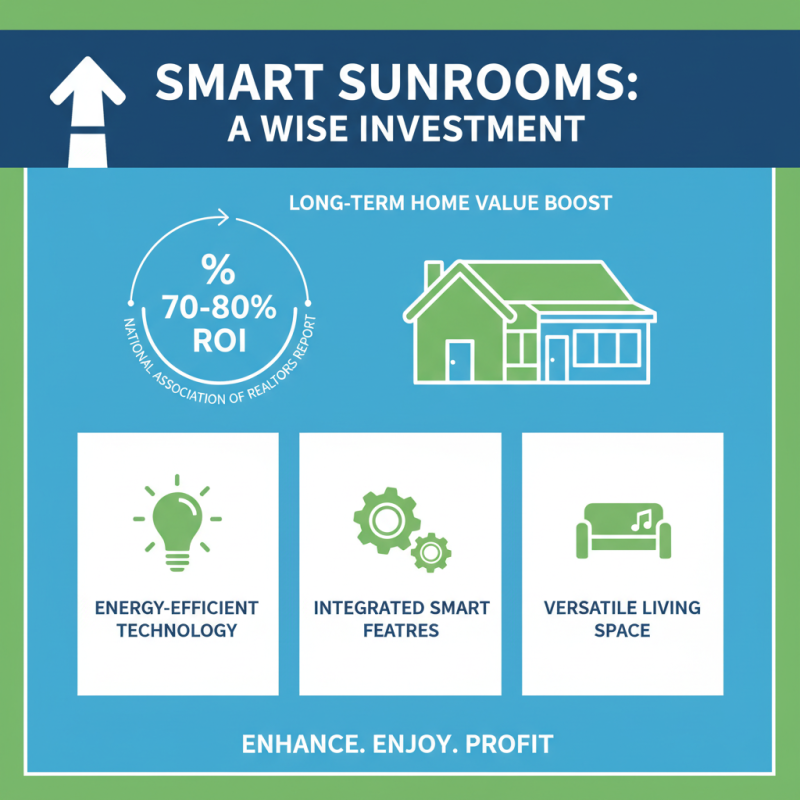
Investing in a smart sunroom can significantly enhance your home’s value. According to a report from the National Association of Realtors, homeowners can expect a return on investment (ROI) of around 70% to 80% for sunroom additions. Smart sunrooms integrate technology and energy-efficient features that appeal to potential buyers. They create a versatile space, perfect for relaxation or entertaining.
Experts indicate that the average cost of a sunroom can range from $20,000 to $70,000. While this is a substantial upfront investment, the enhanced energy efficiency can lead to lower utility bills. For instance, a report from the U.S. Department of Energy states that energy-efficient windows can reduce heat loss during winter by 30% to 50%. This financial benefit can turn your sunroom from a mere luxury into a practical, long-term investment.
**Tip:** When planning your sunroom, consider how the space will fit into your lifestyle. Ensure it receives ample natural light and blends well with your home’s architecture. Another aspect to reflect on is the choice of materials—opt for sustainable ones that promise longevity. The right decisions today can ensure your sunroom is a cherished asset for years to come.