How to Choose the Perfect Sunshade Awning for Your Outdoor Space?
Selecting the right Sunshade Awning can transform your outdoor area into a comfortable retreat. It not only enhances aesthetics but also provides essential protection from harsh sunlight. With many options available, making the right choice can feel overwhelming.
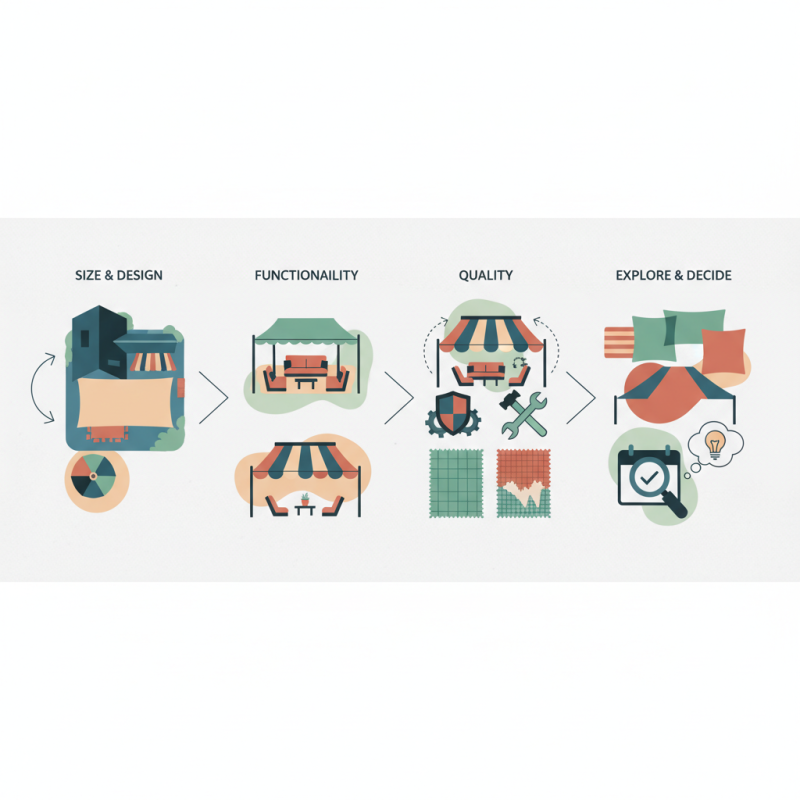
Consider your outdoor space's size and design first. Your Sunshade Awning should complement your home’s style. Functionality is equally important. Think about whether you need a fixed or retractable awning. Each option has its pros and cons and requires careful thought.
Quality is also crucial. Cheap materials may save money now, but they can lead to regrets later. Ensure the awning offers durability and efficiency. Take your time exploring different brands and features. It's a process that can feel tedious but is worth the effort. Remember, this decision will impact your outdoor experience for years to come.
Key Considerations When Selecting a Sunshade Awning
Choosing the right sunshade awning can enhance your outdoor experience. Consider the size of your space. A large area might require a bigger awning. Measure your patio or deck to ensure perfect coverage. An awning too small can leave you exposed, while one too large can overwhelm your space.
The material is another key aspect. Look for durable fabrics that resist fading and weather conditions. UV protection is crucial to protect you and your furniture. Some materials have better insulation than others. Think about your climate before deciding. A reflective fabric might work well in hot areas but could become dull in cooler climates.
Installation can be a tricky aspect to navigate. Some users struggle with DIY setups. Professional installation may be advisable for complex designs. This ensures the awning is secure and functions as expected. Don't overlook maintenance demands. Certain materials may require regular cleaning or treatment to stay in good shape. Reflecting on these aspects will lead you to a better choice for your outdoor space.
How to Choose the Perfect Sunshade Awning for Your Outdoor Space? - Key Considerations When Selecting a Sunshade Awning
| Consideration |
Details |
| Size of Outdoor Space |
Measure the area you wish to cover to determine the appropriate awning size. |
| Material |
Choose between fabric, aluminum, or vinyl based on durability and maintenance needs. |
| Style |
Consider the architectural style of your home and select a matching awning design. |
| Functionality |
Decide if you want manual or automatic operation for convenience. |
| Mounting Options |
Check whether the awning will be wall-mounted, window-mounted or free-standing. |
| Weather Resistance |
Look for UV protection and waterproof materials to ensure longevity. |
| Color Options |
Select colors that complement your outdoor decor and enhance the aesthetic of your space. |
| Budget |
Set a budget considering both initial cost and potential maintenance costs. |
Different Types of Sunshade Awnings: Pros and Cons
When selecting a sunshade awning, it's crucial to understand the available types and their benefits.
Retractable awnings are popular for their versatility. They can be extended or retracted depending on the weather.
This allows you to enjoy sunlight or shade whenever you prefer. However, they require regular maintenance to function properly.
Clean the fabric and ensure the mechanisms operate smoothly. Ignoring this can lead to costly repairs.
Fixed awnings provide consistent shade and can be customized to match your home's architecture.
They are often more durable than retractable options. However, they lack flexibility.
When the sun shifts, the fixed position may not offer optimal shade throughout the day.
Consider the directional sunlight and your outdoor activities when choosing this option.
Another option is freestanding awnings, great for covering patios or pools.
They can be moved around as needed, offering flexibility. Still, their stability in strong winds can be an issue.
Proper anchoring is essential to ensure they don’t topple.
Evaluating your outdoor space’s climate and usage will lead to a more informed choice. Each type has its strengths and limitations.
A thoughtful selection process will enhance your outdoor experience.
Measuring Your Outdoor Space for the Perfect Fit
When considering the perfect sunshade awning, measuring your outdoor space accurately is crucial. Begin by assessing the area you wish to cover. A simple tape measure can help. Width and height should be noted meticulously. According to a report by the American Society of Landscape Architects, 70% of homeowners struggle with space measurement, resulting in poorly fitted awnings.
Understanding your space involves more than just dimensions. The orientation of your area matters too. For instance, south-facing spaces receive more sunlight. This insight can influence the fabric choice of your awning. A study by the International Association for Shade Professionals indicated that 75% of awning failures stem from improper sizing and location.
Consider any structures nearby. Features like railings or walls can impact installation. This attention to detail is essential. Failing to account for these factors may lead to an unsatisfactory experience. Even aesthetics play a role; mismatched colors or patterns can disrupt your outdoor harmony. Accurate measurements and thoughtful planning can greatly enhance your outdoor enjoyment without creating awkward or unserviceable spaces.
Choosing the Perfect Sunshade Awning: Key Measurements
Material Options for Sunshade Awnings and Their Benefits
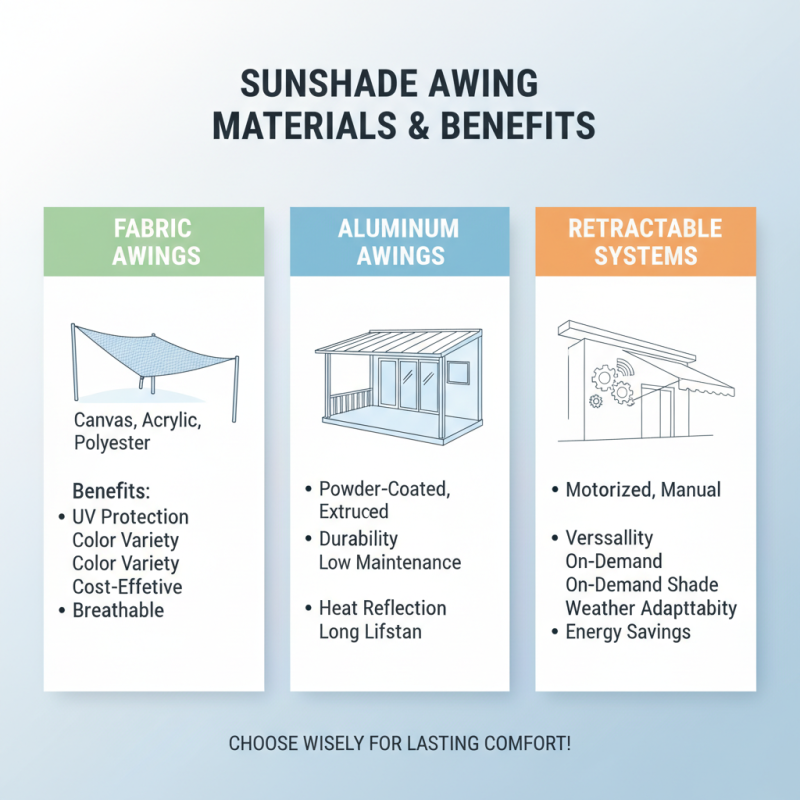
When selecting a sunshade awning, the material you choose significantly impacts its performance and longevity. Common options include fabric, aluminum, and retractable systems. Each material offers unique benefits that cater to different outdoor settings.
Fabric awnings are popular for their versatility and aesthetic appeal. They come in various colors and patterns, enhancing the ambiance of any space. However, consider potential fading from sun exposure. Choose UV-resistant fabrics to maintain vibrancy over time.
Aluminum awnings provide durability and low maintenance. They withstand harsh weather conditions effectively. Yet, they might lack the cozy look of fabric options. It’s essential to assess your climate and outdoor usage before making a decision.
Tips: Always check the warranty and durability ratings. Install the awning where it receives optimal shade without obstructing views. Think about seasonal changes; lighter materials may not withstand winter's weight. Reflect on the awning's purpose—will it be used for entertaining or simply for protection?
Installation Tips and Maintenance for Longevity of Awnings
When considering the installation of a sunshade awning, proper guidance is crucial. Ensuring accurate measurements is the first step. Awnings should extend adequately to shield outdoor areas. According to a recent industry report, 70% of awning users mention a significant reduction in heat exposure. This underscores the necessity of selecting an appropriate size based on your specific space.
Once installed, maintenance is key to longevity. Regular cleaning helps prevent mold and dirt buildup. Using a soft brush and mild detergent can extend the lifespan of the fabric. Data indicates that neglecting this can reduce awning durability by up to 30%. Additionally, retractable awnings are easier to maintain but may require more careful usage during heavy winds. Heavy rainfall can damage fixed models, highlighting the need for thoughtful design choices. Outdoor conditions can be unpredictable, so proactive care is essential.
Consider weatherproofing your awning if you live in an area with extreme conditions. Select materials designed for durability. This can enhance both appearance and functionality. However, this approach requires proper installation to avoid issues. Many people overlook the angle of installation, which can affect drainage and overall performance. Adapting your installation according to local weather patterns is often disregarded yet can be vital for optimal results.