How to Create a Smart Sunroom for Optimal Comfort and Efficiency?
Creating a Smart Sunroom involves careful planning and innovative design. Leading expert in sustainable architecture, Dr. Emily Carter, states, “A Smart Sunroom harmonizes comfort with energy efficiency.” This statement encapsulates the essence of modern sunroom creation.
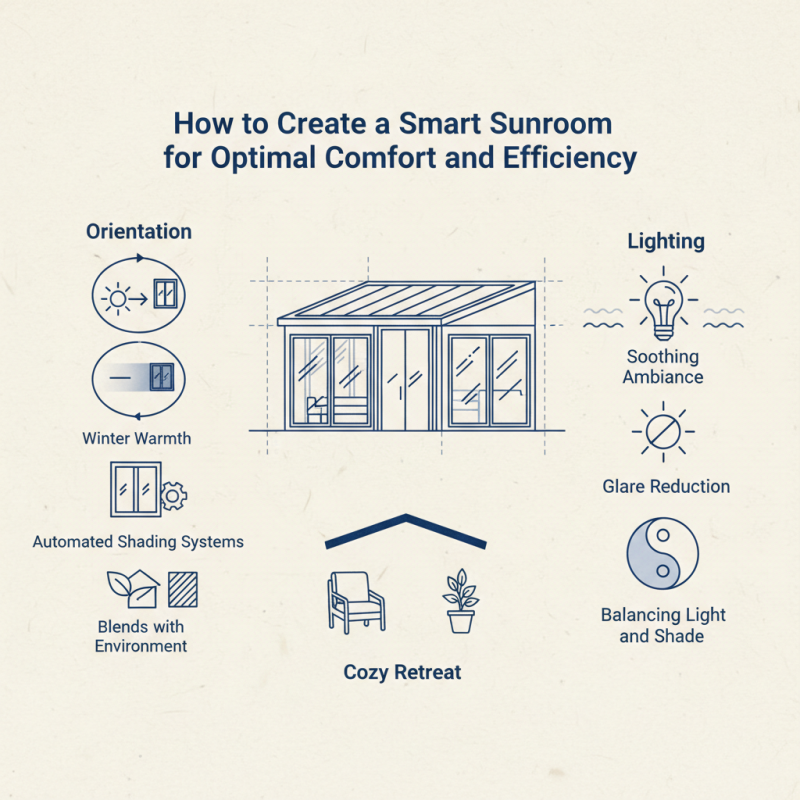
To achieve optimal comfort, consider the room's orientation. Sunlight exposure is crucial. The right windows can absorb winter warmth or reduce heat in summer. Automated shading systems enhance comfort and efficiency. But, it's not just about technology. Smart Sunrooms must blend with their environment. Materials should be carefully selected. An over-reliance on tech can lead to neglecting simplicity and nature.
Lighting plays a vital role. Use LED fixtures to create a soothing ambiance. Yet, be aware of potential glare from the sun. Balancing light and shade is a fine art. A Smart Sunroom should offer a cozy retreat, not a harsh environment. Reflecting on these details can lead to a truly inspired space.
Choosing the Right Location for Your Smart Sunroom
Choosing the right location for your smart sunroom is crucial for its success. Think about sunlight exposure. A south-facing position allows for maximum warmth. This can enhance the comfort and efficiency of the space. However, consider the potential heat buildup during summer months. You may need to install shades or blinds to combat this issue.
Next, assess your surroundings. The view from your sunroom can be enchanting or distracting. A garden view might provide tranquility, while a busy street may disrupt your peace. Noise levels also matter. A serene location can enhance your relaxation experience. Look for areas that offer both beauty and privacy.
Finally, take into account your existing structure. Ensure that the sunroom integrates well with your home. The design should flow with the other spaces. It is easy to overlook this aspect, leading to a disjointed look. Evaluate different materials and layouts. You might find that your initial ideas need refinement to achieve the ideal space. Balancing comfort and efficiency requires thoughtful planning.
Selecting Energy-Efficient Windows and Doors
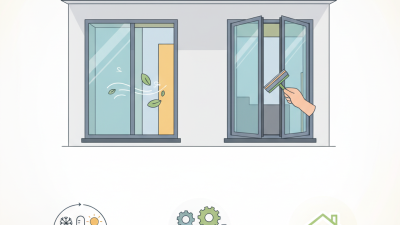
When creating a smart sunroom, selecting the right energy-efficient windows and doors is crucial. These elements can significantly improve your room's comfort. Look for double or triple-glazed windows, which offer better insulation. The seals around these windows should be tight to prevent drafts. Consider large panes to maximize sunlight, but ensure they are treated for UV protection.
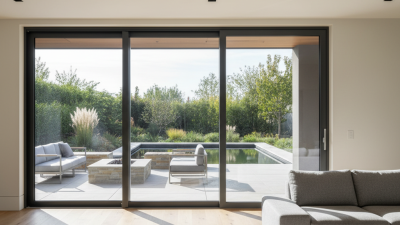
Doors should also be energy-efficient. Choose models made with insulated materials. Sliding doors can save space while providing a seamless connection to the outdoors. It's essential to pay attention to their installation. Poorly fitted doors may lead to unwanted heat loss.
Remember, choosing the right materials is just part of the process. Regular maintenance is equally important. Check seals and frames for any wear and tear often. Replacing broken seals after time is essential. Upgrading hardware can also enhance efficiency. Reflect on your sunroom's performance seasonally to ensure year-round comfort.
How to Create a Smart Sunroom for Optimal Comfort and Efficiency? - Selecting Energy-Efficient Windows and Doors
| Window/Door Type |
Energy Efficiency Rating |
UV Protection (% Blocked) |
Price Range ($) |
Recommended Feature |
| Double-Glazed Windows |
A+ |
99% |
250 - 350 |
Low-E Coating |
| Triple-Glazed Windows |
A++ |
99% |
350 - 500 |
Argon Gas Fill |
| Low-E Glass Doors |
A+ |
95% |
300 - 450 |
Insulated Frame |
| Fiberglass Windows |
A |
90% |
400 - 600 |
Durability |
| Energy Star Rated Windows |
A+ |
90% |
250 - 400 |
Sealant Technology |
Incorporating Smart Climate Control Systems
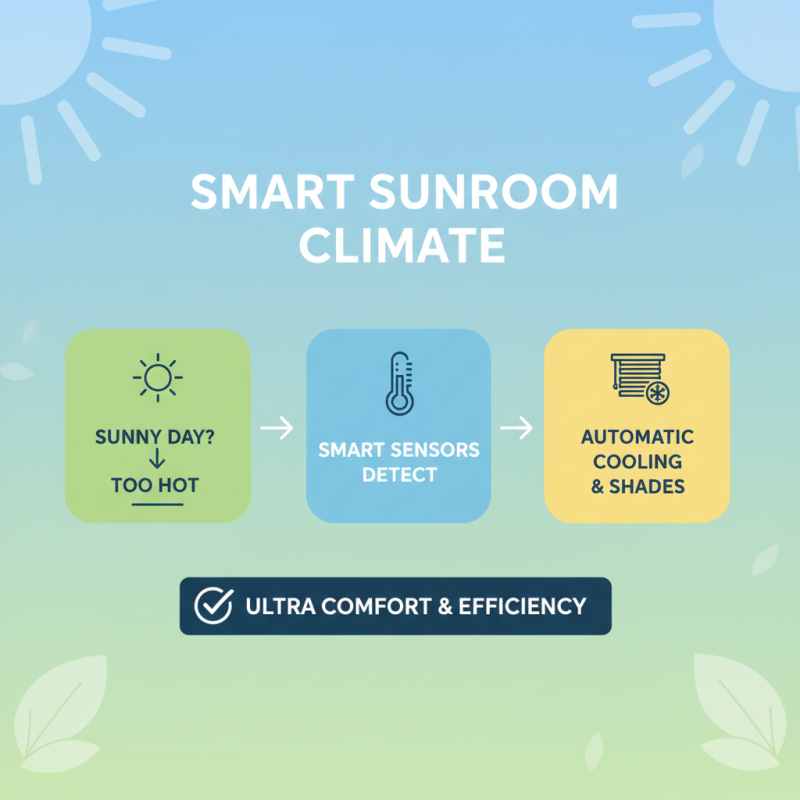
Creating a smart sunroom can enhance comfort and efficiency. One important aspect is incorporating smart climate control systems. These systems can automatically adjust the temperature based on the weather outside. Imagine a bright, sunny day when the sunroom might become too hot. Smart sensors can detect this and activate shades or cooling systems accordingly. This feature helps maintain a cozy environment without constant manual adjustments.
Consider adding smart thermostats that learn your preferences. Over time, they adjust settings to match your routine. For instance, if you enjoy warm afternoons, the system can preheat the space before you arrive. This could improve energy efficiency, but it also requires understanding your habits. There might be days when the system misjudges, leading to discomfort. Regularly reviewing the settings and adjustments can prevent such overlooked scenarios.
Monitor the humidity levels as well. High humidity can make a space feel stuffy despite cooler temperatures. Smart dehumidifiers integrated into the system can provide relief. Yet, relying solely on technology may overlook natural ventilation methods. Opening windows may sometimes be the simplest and best solution. Just finding the right balance takes time and some trial and error.
Designing for Natural Light and Ventilation
When designing a sunroom focused on natural light and ventilation, careful thought is essential. Natural light significantly impacts mood and productivity. According to a 2021 study by the National Institute of Health, workplaces with ample daylight showed a 20% boost in productivity. This data is crucial for creating an optimal living space.
Large windows and skylights can maximize sunlight exposure. Yet, over-glazing might lead to excess heat. Balancing glass areas with thermal insulation is vital.
Ventilation plays an equally critical role. A well-ventilated room helps reduce indoor air pollutants. The American Society of Heating, Refrigerating and Air-Conditioning Engineers recommends achieving at least 15 cubic feet per minute of outside air per person. Incorporating operable windows and ceiling fans can aid in maintaining airflow. However, some designs neglect airflow paths, which can create stagnant areas. Properly planned cross-ventilation ensures comfort throughout the seasons.
Consider shading elements, such as awnings or strategically placed trees. These can control heat gain while still allowing light. Remember, an ideal sunroom harmonizes nature with comfort. It’s a fine line between warmth and overheating. Achieving this balance is often a reflective process, where adjustments might arise after initial implementation. Thus, redesign and reconsideration may be necessary as seasons change.
Integrating Sustainable Materials and Green Technologies
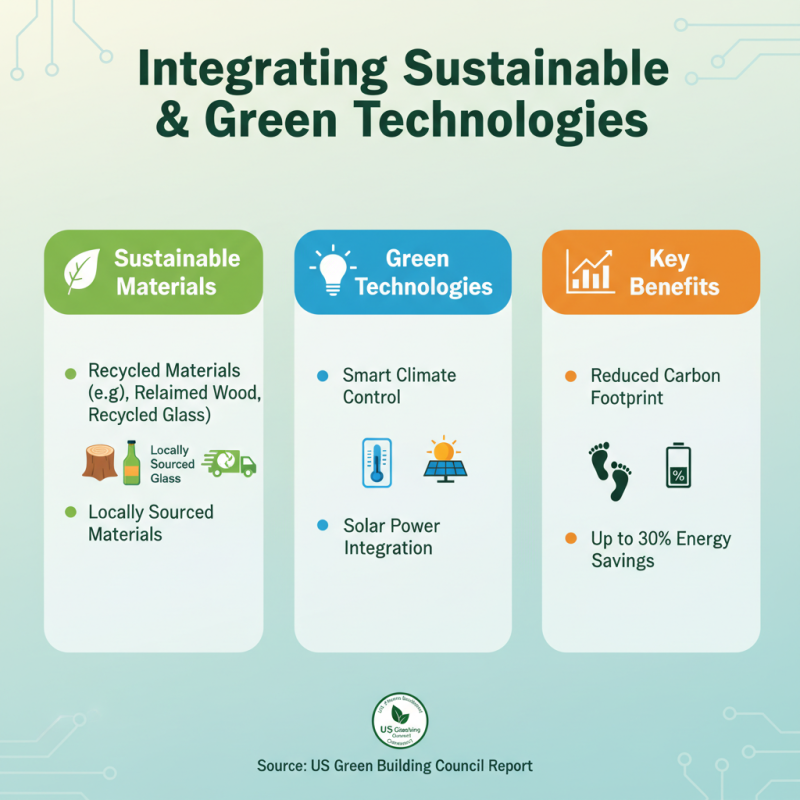
Creating a smart sunroom requires careful integration of sustainable materials and green technologies. The use of recycled materials, such as reclaimed wood or recycled glass, can significantly reduce your carbon footprint. According to a report by the U.S. Green Building Council, buildings that utilize sustainable materials can lead to energy savings of up to 30%. Utilizing locally sourced materials also minimizes transportation emissions, making your sunroom even greener.
In addition to materials, green technologies play a crucial role. Solar panels can power heating and cooling systems. Studies show that homes with solar energy save an average of 20% on energy bills. Smart glass technology can help regulate temperature, automatically adjusting based on sunlight exposure. However, the initial costs can be high. Homeowners must weigh upfront investments against long-term savings.
Lighting is also vital. Energy-efficient LED lights can enhance comfort while reducing energy use. A report indicated that LED lighting uses about 75% less energy than traditional bulbs. This can also improve mood and productivity, making your sunroom a pleasant place to spend time. Consideration of these details can create a space that is both functional and eco-friendly, though not without its challenges.