How to Use Smart Windows to Enhance Energy Efficiency and Comfort?
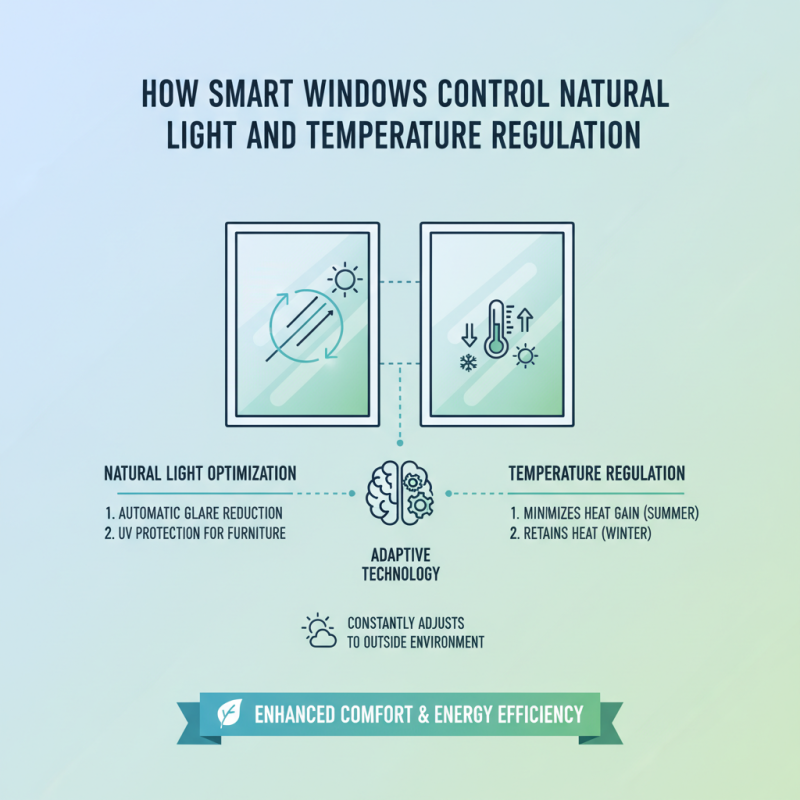
Smart Windows represent a significant leap in energy efficiency and comfort. These innovative technologies adjust their transparency based on sunlight and temperature. By doing so, they reduce the need for artificial heating and cooling. Homeowners and businesses can save on energy bills while enjoying a more pleasant indoor climate.
The benefits of Smart Windows extend beyond just energy savings. They enhance natural light, reducing reliance on artificial lighting. Such improvements can boost mood and productivity. However, the initial investment in this technology can be high. This raises questions about long-term savings and effectiveness.
Smart Windows are not perfect. Like all technologies, their performance can vary based on the environment. Factors such as regional climate and building design can impact results. Users should weigh the benefits against potential drawbacks. Embracing Smart Windows requires both knowledge and reflection to achieve optimal outcomes.
Understanding Smart Windows: Definition and Types of Technologies
Smart windows are a transformative technology for enhancing energy efficiency and comfort in buildings. These windows respond dynamically to environmental conditions, optimizing light and heat regulation. The two main types of technologies are electrochromic and thermochromic. Electrochromic windows change tint based on voltage. Thermochromic windows adjust based on temperature, providing passive benefits.
Research indicates smart windows can reduce energy costs by up to 30%. However, they also carry higher installation costs. Understanding the trade-offs is essential. Proper integration into building design can amplify their benefits while minimizing installation challenges.
Tips: Consider local climate when choosing smart window technology. Pay attention to energy performance metrics, such as U-value and solar heat gain coefficient. Regular maintenance can also ensure optimal performance over time. Always consult with experts to tailor the solution to your specific needs. Investing in smart windows might offer a sustainable long-term solution, yet be mindful of initial expenses and potential returns.
The Role of Smart Windows in Enhancing Energy Efficiency Metrics
Smart windows represent a transformative approach to enhancing energy efficiency in modern buildings. According to the U.S. Department of Energy, properly implemented smart windows can reduce energy consumption by up to 30%. These windows adapt to changing light conditions, helping keep indoor temperatures stable. For instance, electrochromic windows can change their tint based on sunlight intensity, which minimizes the need for artificial cooling and heating.
However, not all smart window technologies are equally effective. A report by the Lawrence Berkeley National Laboratory emphasizes the importance of selecting the right technology for specific building designs. The variation in performance might lead to unexpected energy costs if improperly installed. Understanding the local climate is crucial to maximize their benefits.
Tips for maximizing energy efficiency:
Choose smart windows tailored to your climate. Always consult with professionals before installation. Regularly assess window performance and maintenance needs to ensure they function optimally. Small adjustments in your approach can lead to significant changes in comfort and costs. Optimize natural light use, but monitor its effects on indoor temperature.
Case Studies: Energy Savings from Smart Windows in Commercial Buildings
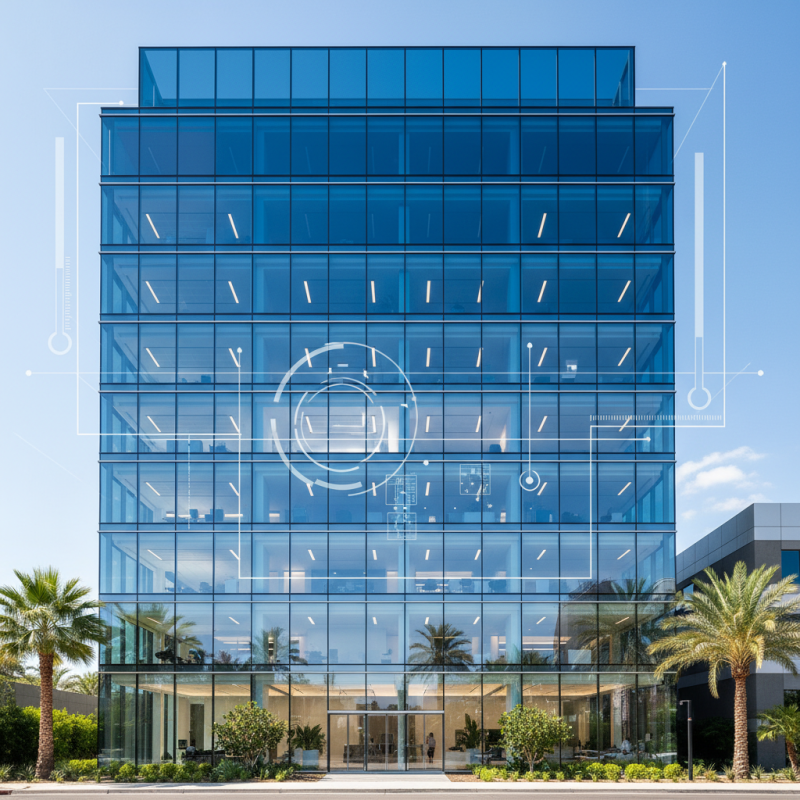
Smart windows are becoming a key player in energy efficiency for commercial buildings. A recent study from the Lawrence Berkeley National Laboratory found that smart windows can reduce energy costs by up to 30%. This is particularly evident in climates with extreme temperatures, where traditional windows often lead to high energy consumption for heating or cooling.
In practical case studies, buildings utilizing dynamic glass reported a significant decrease in HVAC energy use. One office building in San Francisco reported energy savings of about 25% annually. The smart windows adjusted their tint based on sunlight and temperature, creating a more comfortable indoor climate. These windows also reduce glare, enhancing employee productivity.
However, not all installations yield the same bonuses. Initial costs for smart windows can deter some property owners. A cautious approach is necessary when assessing return on investment. Each building's unique scenario should guide decision-making. The potential for energy savings is substantial, but it requires careful consideration of long-term performance versus upfront costs.
How to Use Smart Windows to Enhance Energy Efficiency and Comfort? - Case Studies: Energy Savings from Smart Windows in Commercial Buildings
| Building Type |
Location |
Window Type |
Energy Savings (%) |
Comfort Improvement (Scale 1-10) |
| Office Building |
New York, NY |
Electrochromic |
30% |
8 |
| Retail Store |
Los Angeles, CA |
Smart Tint |
25% |
7 |
| Hospital |
Chicago, IL |
Self-tinting |
35% |
9 |
| University Building |
Boston, MA |
Dynamic Glass |
20% |
8 |
| Convention Center |
Orlando, FL |
Photochromic |
28% |
7 |
Future Trends: Innovations in Smart Window Technologies and Their Impact
Smart windows are revolutionizing energy efficiency in buildings. With the integration of innovative technologies, these windows adapt to environmental changes. They can adjust their tint based on sunlight exposure, helping to regulate indoor temperatures. This feature significantly reduces the need for heating and cooling systems, leading to lower energy consumption.
Emerging trends highlight various advancements in smart window technologies. Photochromic and thermochromic coatings are becoming popular. These materials change their properties in response to light and heat, optimizing energy use. Also, electrochromic windows offer real-time control over transparency, catering to individual comfort preferences. However, these technologies are still developing, and there are challenges to address. Cost remains a significant barrier for widespread adoption.
Moreover, the long-term durability and effectiveness of these innovations raise questions. Research is ongoing to ensure these windows perform well over time. A focus on sustainability and recyclability is also essential. As these technologies advance, their impact on energy efficiency and comfort will likely become more significant, but potential pitfalls require careful consideration.
Impact of Smart Window Technologies on Energy Savings
This chart illustrates the potential energy savings from using smart window technologies compared to traditional windows. As shown, smart windows can offer significant improvements in energy efficiency, with greater savings observed in year-round applications.