Top 10 Smart Sunroom Ideas for Modern Homes in China?
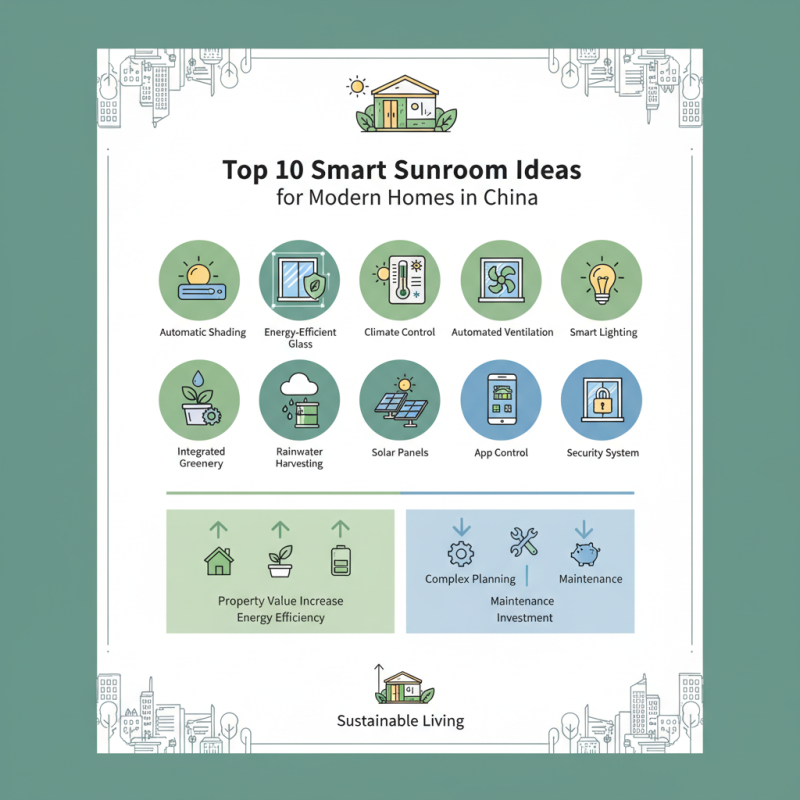
In recent years, the concept of "Smart Sunroom" has been gaining traction in modern homes across China. According to a report by the China Association of Building Materials, homes equipped with smart technologies can increase property value by up to 15%. These sunrooms not only enrich living spaces but also offer energy efficiency benefits. Expert Zhang Wei, a renowned architect in smart living, emphasizes, “Smart Sunrooms are the future of sustainable living, blending nature with innovation.”
In a rapidly urbanizing landscape, homebuyers are increasingly seeking innovative ways to incorporate natural light and greenery. Smart Sunrooms allow homeowners to enjoy the outdoors while maintaining comfort and controllable temperatures. Features such as automatic shading and energy-efficient glass make these spaces more versatile. However, some challenges exist. Designing a fully integrated smart system requires careful planning and investment. Homeowners must also consider maintenance aspects that can complicate the experience.
The construction of Smart Sunrooms offers both opportunities and hurdles. While they provide an enriching lifestyle, ensuring functionality and design is crucial. Homeowners should reflect on their needs versus the investment required. Balancing technology with nature is essential for a successful smart living experience. As we explore the top 10 ideas for Smart Sunrooms, these insights will guide homeowners toward creating optimal spaces.
Smart Sunroom Design Principles for Modern Homes
Smart sunrooms are becoming essential in modern Chinese homes.
These spaces blend indoor comfort with the outdoors, creating a serene environment.
The design principles behind a successful smart sunroom focus on maximizing natural light and minimizing energy costs.
According to a report by the National Renewable Energy Laboratory,
well-designed sunrooms can reduce heating and cooling costs by up to 30%.
Utilizing energy-efficient materials is crucial.
High-performance glazing can enhance insulation while allowing sunlight in.
This increases warmth during winter months.
Moreover, integrating smart technology enhances usability.
For instance, automated shades and climate control systems help maintain comfort.
Data from the China Green Building Council indicates that homes equipped with such technologies
see a 25% increase in energy efficiency.
While aesthetics are important, functionality should not be compromised.
Poorly designed sunrooms may lead to issues like excessive heat or glare.
Homeowners should prioritize ventilation to avoid discomfort.
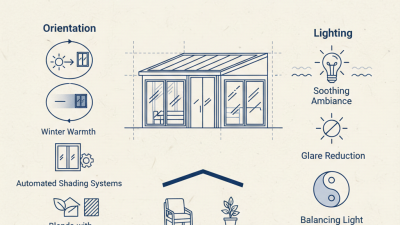
Additionally, proper positioning regarding sun exposure is vital.
Reflecting on these aspects will ensure the sunroom serves its purpose effectively.
Incorporating Natural Light: Design Techniques for Sunrooms
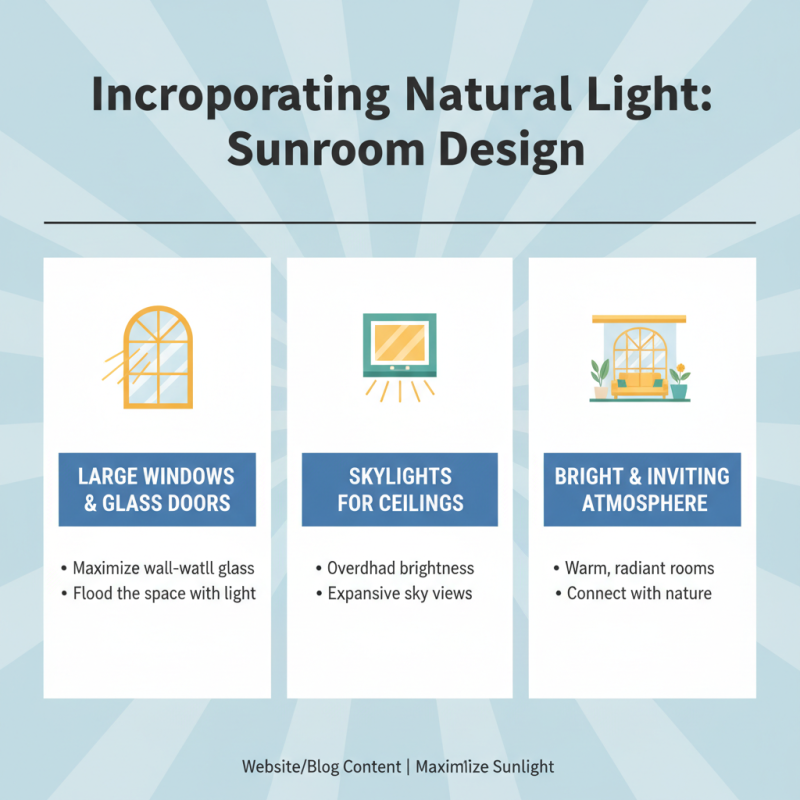
Creating a sunroom is an art. The focus should always be on maximizing natural light. Large windows and glass doors are essential. They let sunlight flood in, creating a warm and inviting space. Consider using skylights for added brightness. They offer an expansive view of the sky. A well-placed skylight can transform a dim area into a radiant room.
Designing a sunroom involves careful planning. Orientation is key. North-facing rooms offer gentle light. South-facing spaces collect the most sunlight. Use window treatments that optimize light flow. Simple shades or sheer fabrics can soften harsh rays. Reflective surfaces, like mirrors, can amplify the light. Plants thrive in sunrooms, adding life. Choose low-maintenance plants for ease.
Reassessing your design is crucial. Sometimes a space becomes too hot in summer. Consider adding ceiling fans or shades. The balance between light and comfort is delicate. Experimenting with different layouts can yield surprising results. Remember, the goal is to create a harmonious blend of nature and comfort.
Sustainable Materials for Eco-Friendly Sunroom Construction
Creating an eco-friendly sunroom is an exciting challenge for modern homes in China. One essential aspect is choosing sustainable materials. Bamboo, for instance, grows quickly and provides robust structural support. It is naturally resistant to decay, making it an ideal choice for sunroom flooring and walls.
Recycled glass can also enhance the aesthetic and environmental appeal. Reusing glass not only reduces waste but allows for beautiful designs. It adds natural light while minimizing heat loss. However, the installation process requires careful planning to ensure durability.
Incorporating natural stone can elevate the overall design. Local stones reduce the carbon footprint during transportation. Still, their weight can complicate construction. Engaging with professionals ensures the right balance between sustainability and structural integrity. Every choice has its pros and cons; taking time for reflection is key in this process.
Top 10 Smart Sunroom Ideas for Modern Homes in China
Integrating Indoor and Outdoor Spaces with Smart Technology
Modern homes in China are embracing technology to connect indoor and outdoor spaces. Smart sunrooms are a growing trend, enhancing living experiences. A study shows that about 75% of homeowners seek seamless transitions between environments. Smart technologies, like automated glass windows and climate control systems, optimize comfort and energy efficiency.
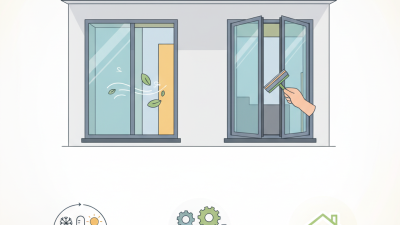
The integration of smart technology has transformed sunrooms into multifunctional spaces. Automated systems adjust lighting and temperature based on weather conditions. For instance, smart sensors can sense humidity levels and open windows to improve airflow. According to recent industry reports, homes equipped with smart systems save up to 30% on energy bills. However, high initial costs and maintenance challenges can be drawbacks, making homeowners pause before investing.
Furthermore, design plays a crucial role. Modern aesthetics focus on minimalism and functionality. Transparent materials enhance natural light and connect you with the outdoors. Yet, the choice of materials should consider durability and sustainability. Balancing aesthetics and practicality in smart sunroom design remains a challenge. Integrating technology with nature is a continuous journey requiring thoughtful planning.
Top 10 Smart Sunroom Ideas for Modern Homes in China
| Idea |
Description |
Technology Used |
Benefits |
| Automated Ventilation |
Integrate smart vents that open/close based on temperature. |
IoT Sensors |
Improves air quality and comfort. |
| Smart Lighting |
Use LED lights that adjust brightness based on natural light. |
Smart LEDs |
Saves energy and enhances ambiance. |
| Temperature Control |
Install thermostats that can be controlled remotely. |
Smart Thermostats |
Ensures consistent temperature throughout the year. |
| Smart Blinds |
Automated blinds that adjust based on the sun's position. |
Automated Blinds |
Enhances privacy and regulates temperature. |
| Integrated Entertainment |
Setup a multi-media system controlled via smart devices. |
Smart Speakers/Systems |
Creates a fun and relaxing environment. |
| Smart Watering System |
Automated irrigation for indoor plants based on moisture levels. |
Soil Sensors |
Keeps plants healthy and thriving. |
| Smart Security |
Integrate cameras and sensors for monitoring. |
Smart Cameras/Security Systems |
Enhances safety and peace of mind. |
| Mood Enhancing Aromas |
Use smart diffusers to control essential oils. |
Smart Diffusers |
Promotes relaxation and well-being. |
| Smart Glass |
Use glass that changes tint to control heat and brightness. |
Electrochromic Glass |
Improves comfort and saves energy. |
Stylish Furniture and Decor Ideas for a Modern Sunroom
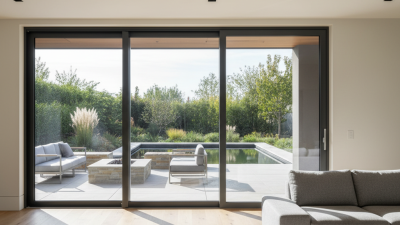
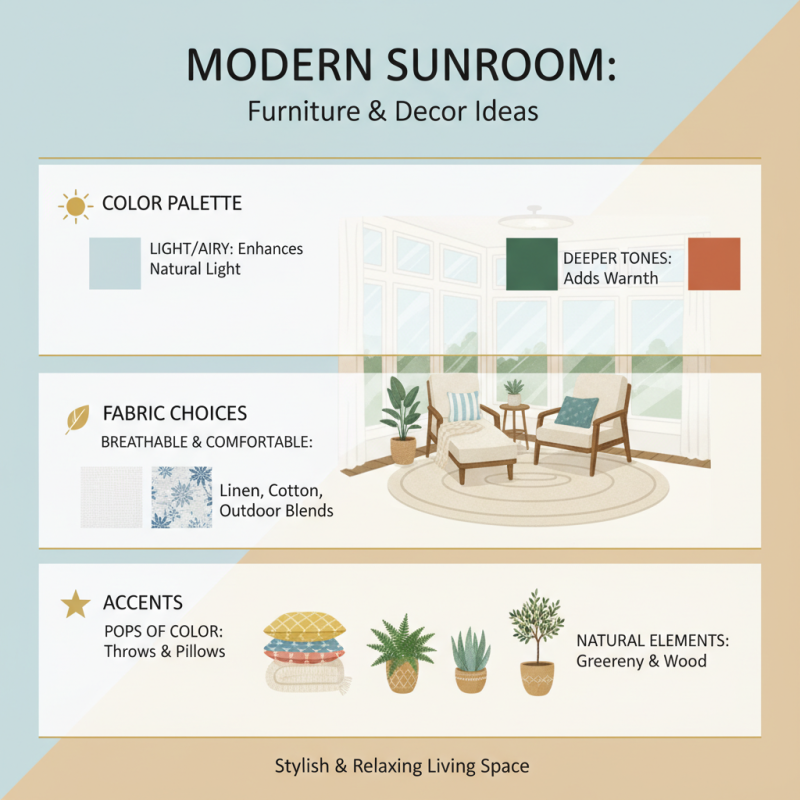
Creating a modern sunroom in your home opens up exciting possibilities for stylish furniture and decor. To start, consider the color palette. Light, airy shades can enhance the natural light, while deeper tones add warmth. A mix of vibrant throws and pillows can create a welcoming atmosphere. Opt for breathable fabrics that invite comfort and relaxation.
When it comes to furniture, think about pieces that blend practicality with aesthetics. A sleek glass coffee table can complement a cozy sectional sofa, making the space inviting. Don't shy away from unique accents like a hanging rattan chair, which adds a touch of whimsy. With plants, you can introduce life and color. However, be mindful of plant care; not all plants thrive in direct sunlight.
Decor is essential for making your sunroom feel complete. Artworks or wall hangings that reflect nature can tie the room together. Consider personal touches like family photos or travel souvenirs. Each piece tells a story, yet too much decor can clutter the space. Balance is key. Experiment with different arrangements, but remember to step back and see if it feels cohesive. It's an ongoing process to find the right ensemble that fits your vision.