Top 10 Sliding Door Designs in China for Modern Homes?
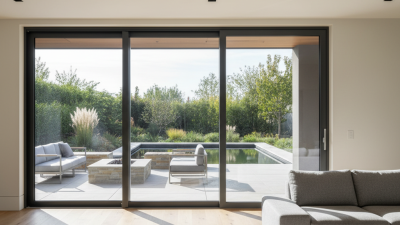
In the realm of modern home design, sliding doors have become essential. They are not just functional but also add elegance. Renowned expert in architectural design, Mr. Jake Lin, once stated, "Sliding doors transform spaces, creating seamless transitions from indoors to outdoors." This insight reflects the growing trend of incorporating sliding doors into contemporary residences in China.
China's architectural landscape highlights innovative sliding door designs. These doors are sought after for their ability to enhance natural light and optimize space. Different styles cater to diverse tastes, from sleek minimalism to intricate patterns. However, some homeowners may overlook proper installation and maintenance, leading to functionality issues.
While sliding doors elevate aesthetics, they also require thoughtful consideration. Features like materials, insulation, and security should not be ignored. Striking a balance between design and practicality is crucial. The allure of sliding doors is undeniable, yet careful planning is necessary to ensure they meet all needs effectively.
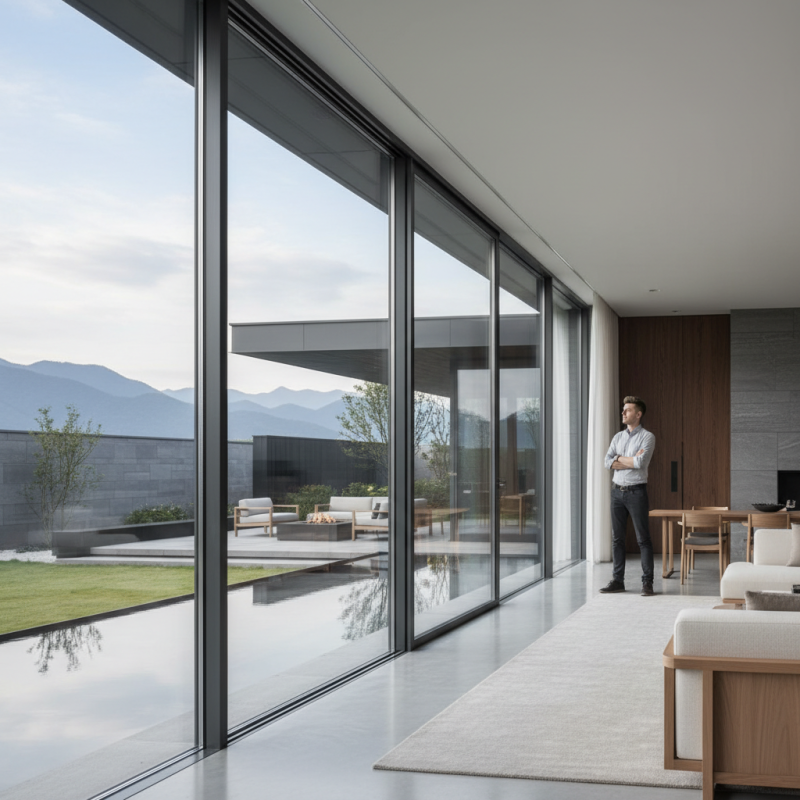
Top 10 Sliding Door Designs in China for Modern Homes
Sliding doors are an essential feature in modern homes across China. They bring style and functionality to living spaces, enhancing both aesthetics and practicality. Homeowners are drawn to designs that maximize natural light while ensuring privacy when needed. Some designs feature sleek frames with large glass panels. Others embrace wood sliding doors that add warmth to interiors.
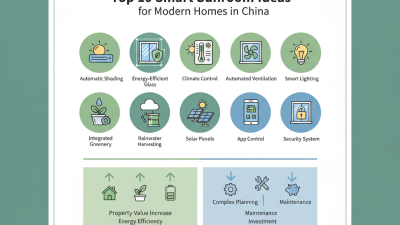
Innovative designs frequently incorporate smart technology. Touch sensors and automated opening mechanisms offer convenience. However, this technology sometimes encounters issues. Users may find inconsistent performance or malfunction problems. It invites homeowners to reflect on the balance between tech and simplicity in design.
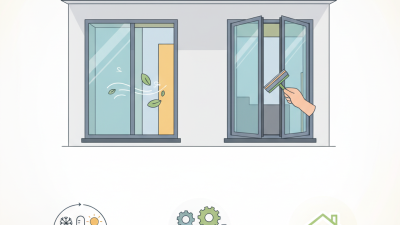
Another common trend is the use of sliding doors to connect indoor and outdoor spaces. Folding designs can create a seamless transition, blurring the line between nature and home. Yet, these doors often require careful maintenance to prevent wear and tear. Dust and grime can easily accumulate, affecting functionality and appearance. It's essential to weigh design choices against practical upkeep needs.
Top 10 Sliding Door Designs Popularity in China
This chart represents the popularity of various sliding door designs in modern homes across China based on recent market trends.
The Popularity Growth of Sliding Doors in Contemporary Chinese Architecture
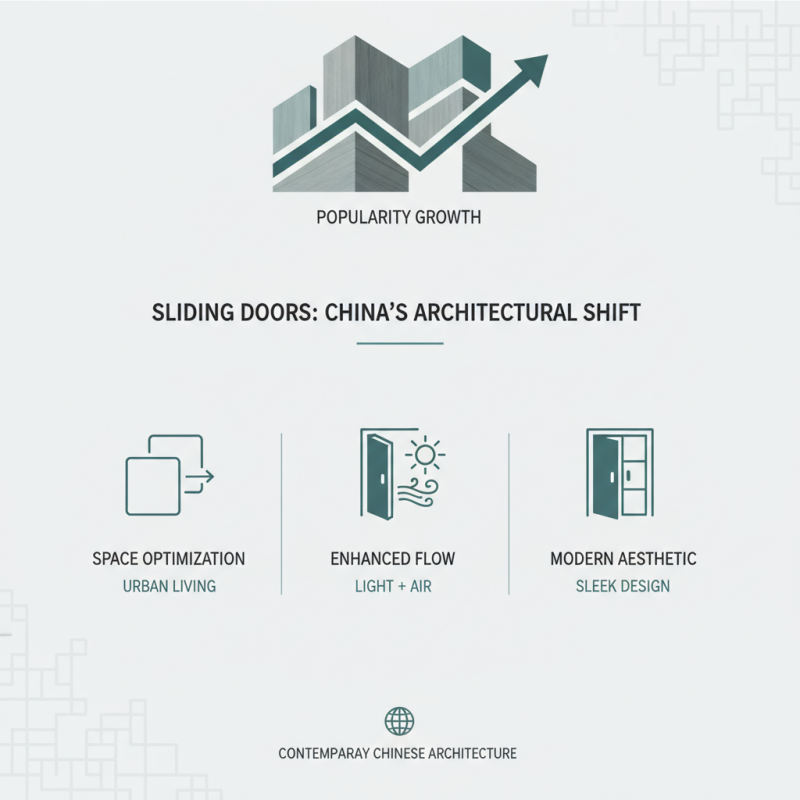
Sliding doors are rapidly gaining prominence in contemporary Chinese architecture. Their sleek designs and functional benefits appeal to modern homeowners seeking flexibility in space. In urban environments where space is limited, sliding doors make the most of available square footage. This design allows for seamless transitions between indoor and outdoor areas, enhancing the flow of light and air.
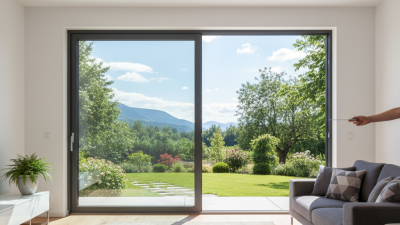
Moreover, the aesthetic appeal of sliding doors cannot be overlooked. They often feature large glass panes, offering unobstructed views of lush gardens or cityscapes. This connection with nature contributes to well-being, a factor increasingly valued in modern living. However, the installation of sliding doors comes with challenges. Proper sealing is essential to prevent drafts and water leaks. Maintenance can be a concern, especially in humid climates where tracks may accumulate dirt.
As these design trends evolve, homeowners must consider both style and practicality. The rising popularity of sliding doors in China reflects a greater desire for open, airy living spaces. Still, homeowners should reflect on their choices and invest in quality materials and installation to ensure longevity. Design should not just please the eye but also cater to a lifestyle where comfort and reliability are paramount.
Key Materials Used in Sliding Door Production and Their Market Trends
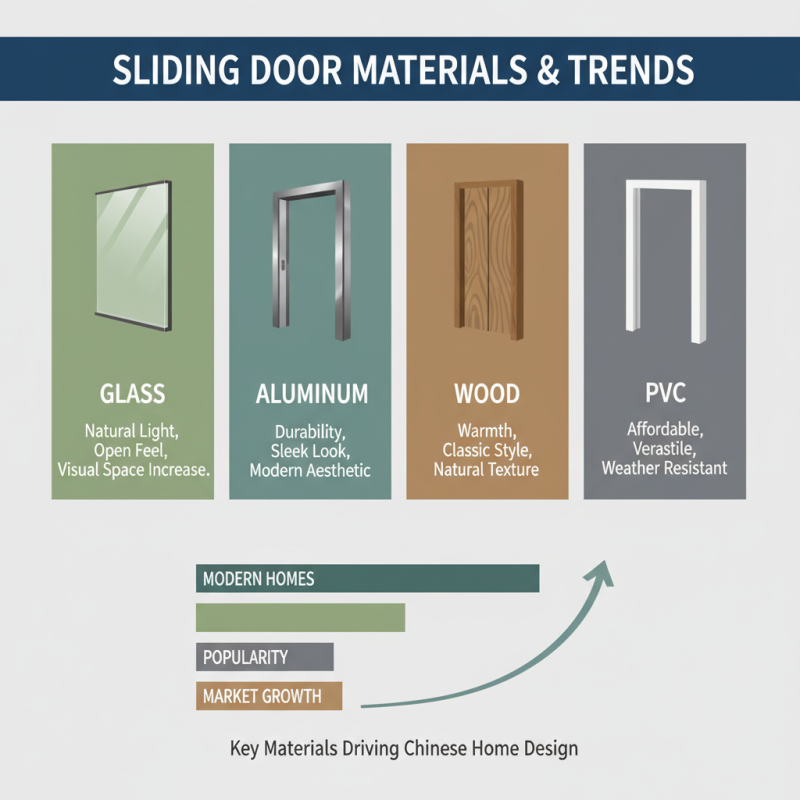
Sliding doors have become a popular choice in modern Chinese homes. Various materials are used in their production, significantly influencing the market trends. Glass, aluminum, wood, and PVC are the primary materials. Each material offers unique aesthetic and functional qualities. For instance, glass sliding doors provide natural light and a sense of openness, increasing visual space. Meanwhile, aluminum frames deliver durability and a sleek, modern look.
Market trends indicate a rising demand for eco-friendly materials. Many homeowners now prefer sustainable wood options. Bamboo is gaining attention for its strength and rapid growth cycle. The incorporation of advanced technology aids in enhancing insulation properties and overall energy efficiency. However, some consumers may find it challenging to balance aesthetics with functionality. Choosing the right material often requires careful thought and planning. Homeowners should consider their environment and personal style before making decisions.
Innovative Design Features of Sliding Doors in Modern Chinese Homes
Sliding doors have become a hallmark in modern Chinese homes, blending functionality with innovative design. These doors often feature sleek lines and minimalistic profiles, enhancing overall aesthetics. The use of tempered glass not only provides durability but also maximizes natural light. This creates an open feel, making small spaces seem larger and more inviting.
One popular design integrates smart technology, allowing homeowners to control doors via mobile apps. This feature adds a layer of convenience but raises concerns about reliability. In addition, sliding doors often incorporate energy-efficient materials, promoting sustainability. However, achieving perfect insulation can be a challenge for some designs, with gaps that might allow drafts.
The materials used in these doors are diverse, including aluminum, wood, and composite options. Each choice provides unique benefits, yet compromises exist. For instance, while wood brings warmth, it requires more maintenance. Aesthetics aside, the practicality of maintenance should not be overlooked. Designers continue to push boundaries, creating striking visual statements while ensuring the doors remain functional and secure.
Top 10 Sliding Door Designs in China for Modern Homes
| Design Name |
Material |
Color Options |
Innovative Features |
Ideal For |
| Minimalist Glass |
Tempered Glass |
Clear, Frosted |
Maximized Natural Light |
Small Spaces |
| Wooden Classic |
Solid Wood |
Natural Wood Finishes |
Rich Textures |
Traditional Homes |
| Aluminum Frame |
Aluminum |
Silver, Black |
Lightweight and Durable |
Modern Apartments |
| Folding Panel |
Composite Materials |
Multi-color Options |
Space-Saving Design |
Balconies/Patios |
| Smart Sliding |
Smart Glass |
Various Colors |
Remote Controlled |
Tech-Savvy Homes |
| Patterned Glass |
Textured Glass |
Etched, Colored |
Artistic Designs |
Modern Art Homes |
| Industrial Style |
Steel and Glass |
Metallic Finishes |
Raw Elements |
Loft Conversions |
| Bi-Folding Doors |
Aluminum or Timber |
Portable Color Options |
Seamless Indoor-Outdoor Flow |
Gardens and Terraces |
| Curved Sliding Doors |
Custom Glass |
Transparent/Translucent |
Unique Aesthetics |
Modern and Artistic Homes |
| Double Glass Sliding |
Insulated Glass |
Various Shades |
Energy Efficient |
Eco-Friendly Homes |
Impact of Energy Efficiency Regulations on Sliding Door Design Choices
The design of sliding doors in modern Chinese homes reflects a growing emphasis on energy efficiency. As regulations become stricter, homeowners are more aware of their choices. Advanced materials are now commonly used. They provide better insulation and reduce energy consumption.
Innovations in sliding door design often feature double-glazing. This allows for improved thermal performance. Many designs also integrate low-emissivity coatings. Such features can significantly lower heating and cooling costs. The aesthetic appeal can be balanced with functionality. However, achieving this balance can be challenging for designers.
Some homeowners still prioritize aesthetics over energy efficiency. This can lead to higher energy bills in the long run. A lack of understanding about energy regulations can affect decision-making. Many designers are now emphasizing the importance of both beauty and functionality. Addressing this gap remains a work in progress. Education is key to making informed decisions.