2026 Top Folding Door Trends for Global Buyers What to Know
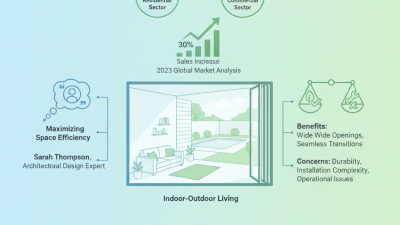
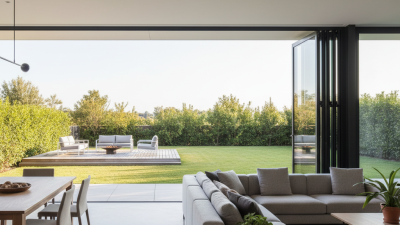
In the evolving landscape of home design, Folding Doors have emerged as a pivotal fixture. Experts in the industry, such as James Anderson, an accomplished architect, emphasize their importance. He notably stated, “Folding Doors transform spaces, blurring the lines between indoors and outdoors.” This trend is not merely about aesthetics; it enhances functionality and spatial dynamics.
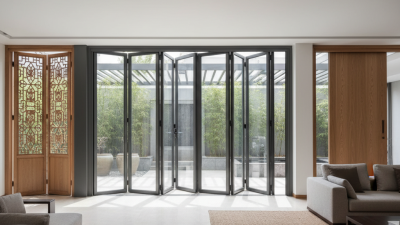
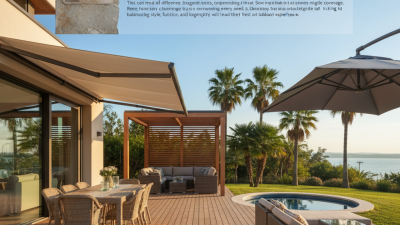
As global buyers seek innovative designs, the demand for high-quality Folding Doors continues to rise. These doors offer seamless transitions, inviting natural light and expanding living areas. Imagine a backyard barbecue where guests flow easily between the kitchen and patio, facilitated by Folding Doors. The versatility they bring to residential and commercial spaces is undeniable.
However, it's essential to acknowledge potential challenges. Not all Folding Doors are created equal. Buyers must carefully assess materials and energy efficiency. Some may overlook installation complexities, impacting their overall experience. Familiarizing oneself with common issues can lead to better decisions. Despite their appeal, a well-informed choice ensures that Folding Doors enhance rather than hinder space utilization.
Emerging Design Aesthetics in Folding Doors for 2026
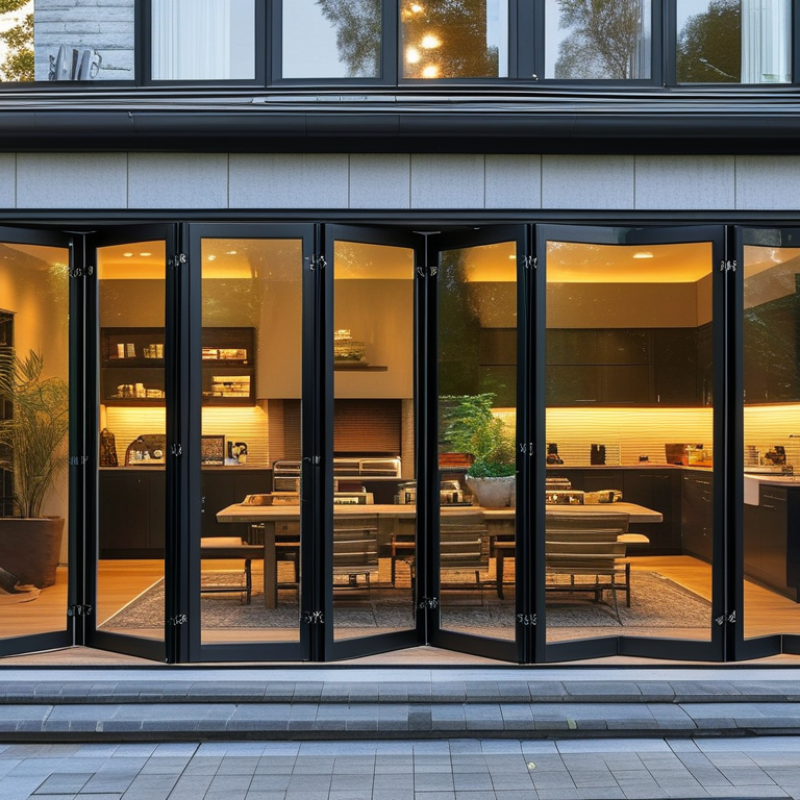
In 2026, folding doors are set to redefine indoor and outdoor spaces. The emerging design aesthetics emphasize minimalism and functionality. Clean lines and unobtrusive frames become vital. Homeowners seek a connection to nature through larger glass panels. Transparency creates a fluid transition between rooms. It allows natural light to flood in, enhancing warmth.
Color trends lean toward earth tones and muted palettes. Neutral shades provide a calming effect. They create a harmonious blend with outdoor environments. Textured finishes add interest while remaining subtle. On the other hand, bold accent colors can highlight architectural features. This duality reflects a balance between elegant simplicity and dynamic expression.
While sustainability is a priority, the journey is not without challenges. Sourcing eco-friendly materials can be difficult. Designers must navigate market availability while maintaining quality. There’s often a tension between innovative designs and practical usability. It's important to find a middle ground that resonates with consumers. Reflection on past trends is necessary to anticipate future demands. Buyers must remain open to evolving styles and functionalities.
Innovative Materials and Technologies Shaping Folding Door Trends
Folding doors are evolving rapidly, driven by innovative materials and technologies. These advancements enhance aesthetics and functionality. Buyers are seeking versatility in design, often opting for lightweight and durable materials. Aluminum and fiberglass are popular choices, offering strength and weather resistance. These materials allow for larger panels that create seamless transitions between indoor and outdoor spaces.
The integration of smart technology into folding doors is another key trend. Many new models come equipped with sensors and automation features. This makes them easier to operate and allows for better energy efficiency. For instance, users can control the doors via smartphone apps. Such innovations increase convenience and improve security.
Despite these advancements, there are challenges to consider. Not all materials hold up equally in various climates. Some may warp under heat or humidity. Buyers should assess their local environment carefully. Reflecting on personal needs is crucial to making a wise choice. Ultimately, understanding these trends will help buyers make informed decisions.
Sustainability and Eco-Friendliness in Folding Door Manufacturing
In the realm of folding door manufacturing, sustainability and eco-friendliness are becoming essential. More buyers prioritize materials that do not harm the environment. Innovative techniques are being implemented to reduce waste and carbon footprint. Recycled materials are gaining traction, making production greener.
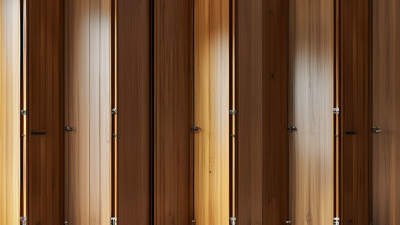
When selecting folding doors, consider their material source. Look for certifications that confirm eco-friendly practices. Many manufacturers now use wood from sustainably managed forests. This choice helps preserve nature while providing quality products. Additionally, energy-efficient designs reduce heating and cooling costs.
Tips: Always check for the sustainability certifications before purchasing. Using local suppliers can also minimize transportation emissions. Eco-friendly options can also match aesthetic desires without compromising quality. Embracing sustainable choices is a step toward a greener home.
Key Market Insights: Consumer Preferences and Purchasing Behavior
As global demand for folding doors rises, understanding consumer preferences is essential. Recent research indicates that the demand for energy-efficient options has surged. Approximately 45% of consumers prioritize sustainability in their purchasing decisions. This shift underscores the growing emphasis on environmentally friendly materials and energy conservation in home design.
In addition, aesthetics play a significant role. About 38% of buyers seek customizable designs that reflect their personal style. They are inclined towards sleek, modern features, which blend functionality with aesthetics. However, many purchasers express concerns about durability. Reports show that nearly 30% of consumers worry about the lifespan of folding doors. These insights highlight a gap where manufacturers need to improve product reliability and life expectancy.
Moreover, convenience is a key factor in purchasing behavior. A study revealed that 42% of consumers prefer easy installation and maintenance. They want products that offer seamless integration without intensive upkeep. Despite these preferences, there remains confusion about product specifications. Many customers struggle to understand the technical details, indicating a need for clearer communication from suppliers. Addressing these concerns can enhance trust and influence buying decisions significantly.
Global Regional Variations in Folding Door Styles and Features
In 2026, folding doors will continue to reflect diverse global styles. From sleek modern designs in urban Europe to rustic wooden frameworks in North America, the choices vary significantly. Buyers should note these regional preferences when selecting doors for their homes. Every market has its unique aesthetic requirements and functional needs.
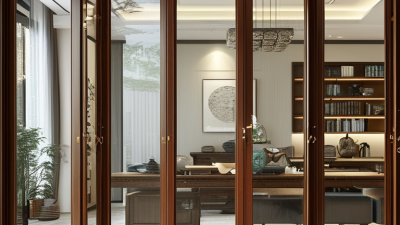
Styles in Asia often blend traditional craftsmanship with innovative materials, creating a harmonious balance. In contrast, Middle Eastern designs emphasize grandeur and intricate details. Buyers may be surprised by how local climate influences door features. For instance, doors in coastal areas might focus on weather resistance and lightness.
Tips: Consider local construction styles before making a purchase. A door that suits one region may not fit another. Always check if local regulations impact your choice. Understanding these variations can improve satisfaction with your final selection. Research and consult local professionals to gain insights into trends.