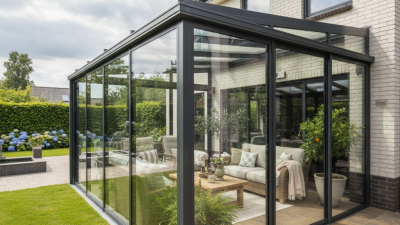
Top Folding Door Options for Global Buyers to Consider?
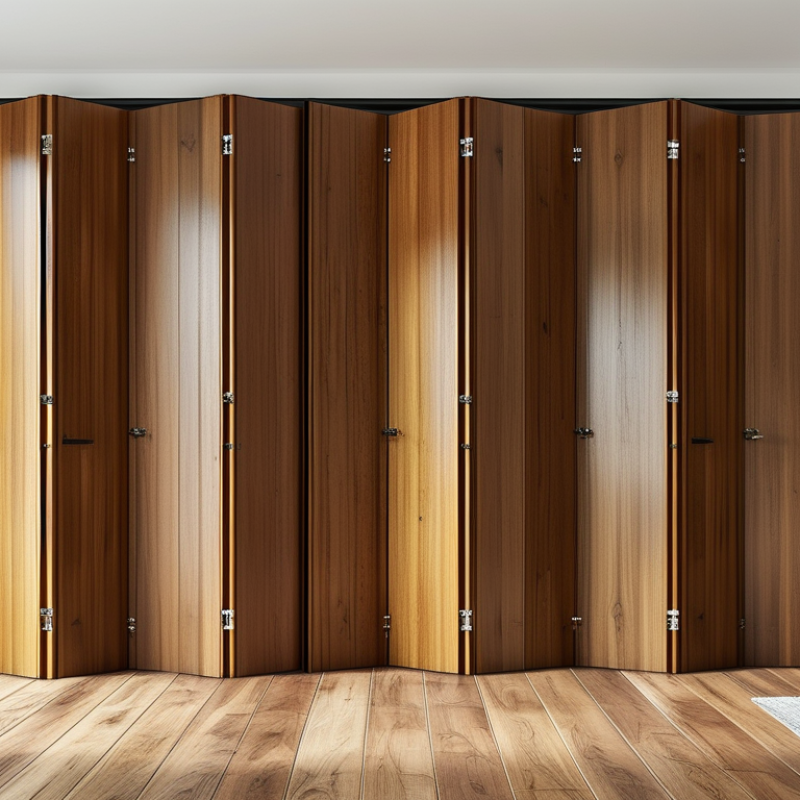
When it comes to choosing the right folding door, buyers face numerous options. Global trends influence design and functionality. Industry expert Sarah Williams emphasizes, "Folding doors transform spaces while enhancing aesthetic appeal." This expertise underlines the importance of selecting the perfect fit.
The folding door market offers diverse materials like wood, aluminum, and vinyl. Each has unique benefits and drawbacks. For instance, wood provides warmth, while aluminum ensures durability. Yet, factors like maintenance and climate adaptability need careful consideration.
Potential buyers must align their needs with the product features. Uncertainty in selection can lead to regrets. Reflecting on the specific context—whether for a home, office, or commercial space—can affect satisfaction with folding doors. With a myriad of styles available, informed choices are crucial for long-term functionality.
Understanding Folding Door Types and Their Benefits
When considering folding door options, it's crucial to understand the various types and their unique benefits. Folding doors come in different materials, including wood, aluminum, and vinyl. Each material serves specific needs. For instance, wood offers a classic look but may require maintenance. Aluminum is sturdy and low-maintenance, while vinyl is often more affordable and energy-efficient.
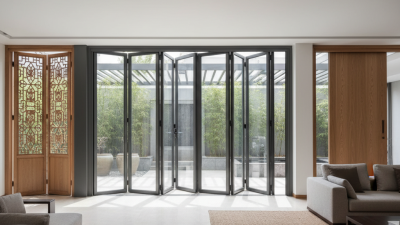
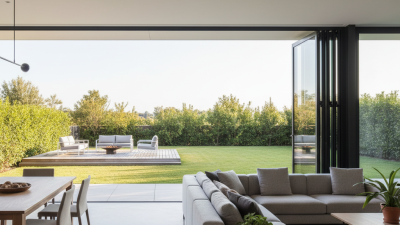
The primary advantage of folding doors is their ability to maximize space. They can open up a room, allowing for more natural light and a seamless transition between indoor and outdoor areas. However, installation requires careful planning. A poorly installed door can result in operational issues and aesthetic disappointment.
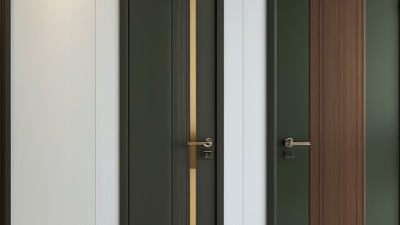
Different folding door styles also cater to various aesthetic preferences. Some designs are minimalist, while others are more ornamental. Buyers should reflect on how each type aligns with their home's overall style. Choosing the right style involves balancing functionality and personal aesthetics. Errors in selection may lead to regret down the line. It's essential to evaluate all options thoroughly.
Top Folding Door Options for Global Buyers to Consider
| Folding Door Type |
Material |
Advantages |
Ideal Use Case |
| Bi-Fold Doors |
Aluminum |
Maximizes natural light, space-saving |
Living rooms, patios |
| Multi-Fold Doors |
Wood |
Aesthetically pleasing, excellent insulation |
Interior spaces, commercial buildings |
| Accordion Doors |
Vinyl |
Low maintenance, affordable |
Closets, room dividers |
| Glass Folding Doors |
Tempered glass |
Increases views, modern design |
Patios, restaurants |
| Folding Panel Doors |
Composite |
Versatile design, energy efficient |
Commercial spaces, offices |
Key Materials Used in Modern Folding Doors
Folding doors are gaining popularity in modern architecture. They provide both functionality and aesthetic appeal. The choice of materials for these doors is crucial. It affects durability, maintenance, and insulation properties.
Wood is a classic choice for folding doors. It offers warmth and elegance. However, wood can warp or crack over time. It's essential to select dense and well-treated varieties. Consider synthetic wood composites as an alternative. They mimic the look of wood but resist moisture more effectively.
Aluminum is another popular option. It's lightweight and strong, making it ideal for larger openings. Anodized aluminum can withstand harsh weather conditions. While it requires less maintenance, it may not provide the same thermal insulation as wood.
Tip: When choosing materials, think about your climate. If you reside in a humid area, consider materials that withstand moisture well. Look for doors with multi-chamber construction for better insulation. This consideration can significantly reduce energy costs in the long run.
Another material to consider is fiberglass. It offers the look of wood but with better durability. Fiberglass does not fade or warp. It’s great for both exterior and interior applications. However, the initial investment might be higher than other materials.
Tip: Research the lifespan of materials before purchasing. Quality often outweighs quantity. Heavy-duty hinges and seals can extend the life of your doors. Always evaluate your long-term needs when selecting folding doors.
Top Folding Door Options for Global Buyers
This chart illustrates the percentage distribution of different materials used in modern folding doors. Aluminum is the most popular choice among global buyers, followed by wood and uPVC.
Comparing Folding Door Styles for Different Budgets
When considering folding door styles, it's essential to align your choice with your budget. Different options cater to diverse financial capabilities while still offering aesthetic appeal.
Premium materials may seem attractive, but they can stretch your finances. On the other hand, budget-friendly designs may save you money, yet they may fall short on durability.
Here’s a tip: always evaluate the space where the door will be installed. A well-measured opening ensures that even less expensive doors fit seamlessly.
An ill-fitting door can lead to drafts and inefficiencies, costing you more in the long run.
Do not forget to think about maintenance. Some materials require more upkeep than others.
For instance, wooden doors need regular treatment to avoid warping. Cheaper synthetic options can be more durable but might lack the warmth of wood.
It's a balancing act. Consider your lifestyle and how much care you’re willing to commit. This reflection is key in making the right choice.
Installation Considerations for Global Buyers
When considering folding door installation, buyers must assess their space and needs. Each environment presents unique challenges. Measure your opening carefully. Consider the weight of the doors. Heavier materials can require more robust hardware and may impact your installation method.
Climate is another vital factor. Choose materials that can withstand local weather conditions. In humid areas, for example, specific woods might swell or warp. Alternatively, aluminum or vinyl options could offer better durability. Additionally, ensure easy access to hardware for maintenance and repairs.
The overall aesthetic is also important. Folding doors can enhance any space when installed correctly. However, poor installation can lead to misalignment, affecting functionality. Seek experienced professionals. Their expertise can save time and stress during the process. Reflect on past experiences with installations—what worked and what didn’t? Each project teaches valuable lessons.
Maintenance Tips for Long-lasting Folding Doors
Folding doors are increasingly popular in residential and commercial spaces. They offer flexibility and a seamless transition between indoor and outdoor areas. However, their maintenance is crucial for longevity. A report by the National Association of Home Builders highlights that over 80% of homeowners prioritize easy maintenance when choosing door systems.
To prolong the lifespan of folding doors, keep moving parts lubricated. This prevents wear and tear from daily use. Regularly checking hinges and tracks for debris is essential. Dust and dirt can hinder their operation. Consider using a soft cloth and mild detergent for cleaning. Avoid abrasive materials that can scratch surfaces.
Inspect seals and weather stripping every season. This helps maintain energy efficiency and reduces drafts. A study from the American Architectural Manufacturers Association indicates that well-maintained folding doors can last up to 25 years. Neglecting maintenance can lead to costly repairs or replacements. Stay proactive to ensure your investment remains sound.