China Top System Doors Overview and Their Key Features?
System Doors play a crucial role in modern architecture and construction. They combine functionality with aesthetic appeal, meeting diverse needs in residential and commercial buildings. According to a recent report by the Global Doors Market Analysis, the demand for innovative system doors is on the rise, reflecting a 12% annual growth rate in the sector. This increasing preference is driven by their versatility and advanced technology.
In China, system doors are evolving rapidly. They are now designed with enhanced thermal insulation and security features. Market analysis indicates that over 65% of consumers prioritize these elements when choosing doors. However, challenges exist in maintaining high-quality production standards. Some manufacturers struggle with consistency, leading to reliability issues. Understanding these factors is essential for professionals in the industry.
The trend towards eco-friendly system doors is gaining traction. Many companies are adopting sustainable materials and energy-efficient designs. This shift not only benefits the environment but also meets the regulatory demands for greener buildings. However, there is still much to learn about balancing cost and quality effectively. Analyzing such dynamics will enhance understanding, paving the way for innovations in the system doors market.
Overview of Top System Doors in China: Market Trends and Insights
In recent years, the market for system doors in China has seen significant evolution. These doors are designed for both functionality and aesthetics. They blend advanced materials and technology to meet diverse architectural needs. Understanding the nuances of this market helps consumers make informed choices.
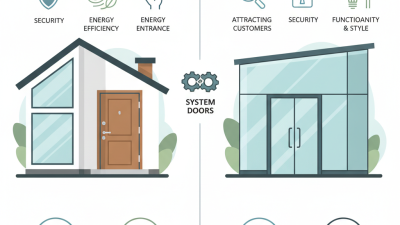
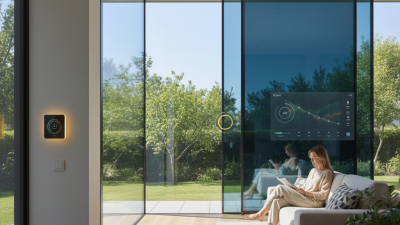
Key features of top system doors include energy efficiency, security, and ease of use. Most designs emphasize insulation, which is crucial in China's varied climate. Security features often incorporate modern locking mechanisms. Additionally, many doors now include smart technology for enhanced accessibility. This trend reflects a growing emphasis on innovation.
**Tips:** When selecting system doors, consider their thermal performance. Check the materials used for durability and maintenance. Always assess the warranty offered for added peace of mind. Ensure that the design aligns with your home’s overall look, as style is equally important.
Overview of the Top System Doors in China: Market Trends and Insights
Key Features of Top System Doors: Materials and Design Innovations
Top System Doors have gained recognition for their innovative use of materials and design. Advanced technologies have influenced their development, leading to remarkable enhancements in functionality. For instance, aluminum and composite materials are often used for their lightweight properties and durability. These materials can withstand temperature fluctuations and resist corrosion, which is essential for longevity.
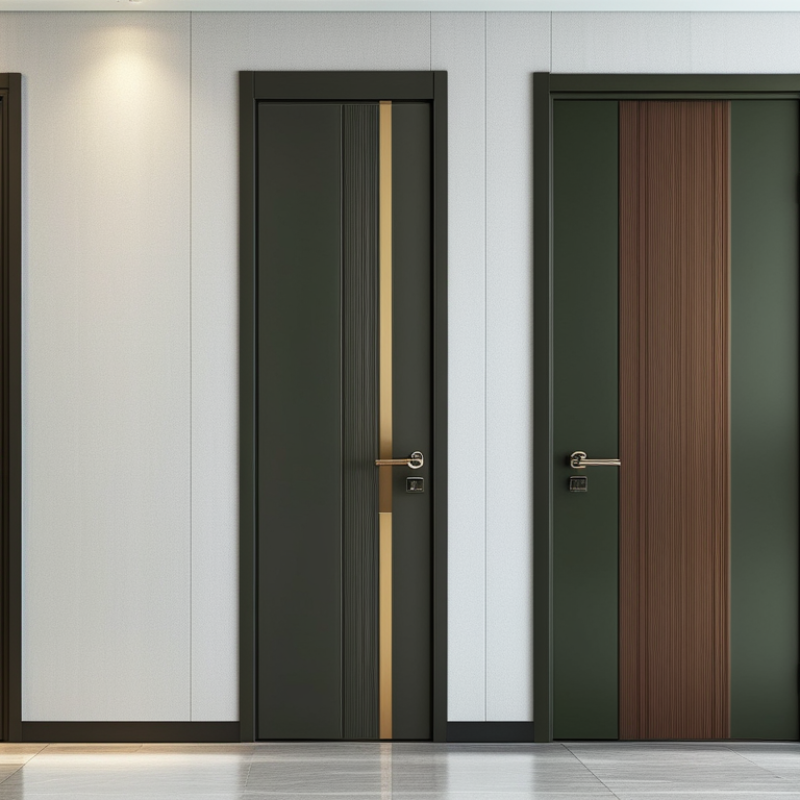
Design innovations focus on aesthetic appeal and practicality. Many top system doors now feature sleek, minimalist designs that fit modern architecture. Customization options are available, allowing for unique sizes, colors, and finishes. Research indicates that 70% of homeowners prioritize stylish designs along with energy efficiency.
Energy-efficient features, such as double-glazed glass and insulation, enhance thermal performance, making them more attractive for sustainability-conscious consumers.
However, it is important to note that not all doors meet the highest standards. Some products may compromise on material quality to reduce costs, potentially leading to shorter lifespans. It's crucial for consumers to assess warranties and certifications. There’s an increasing need for better industry regulations to ensure all products are reliable and durable.
Technical Specifications of Leading Chinese Door Systems
When exploring the technical specifications of leading Chinese door systems, several features stand out. Most modern systems emphasize durability and energy efficiency. Typically, they are crafted from high-quality materials, offering resistance to wear and tear. These doors often feature thermal insulation to maintain indoor temperatures, which is vital in varying climates.
In addition to insulation, many systems incorporate advanced locking mechanisms. These ensure enhanced security while remaining user-friendly. The surface finishes are often treated to resist corrosion and promote longevity. Users can also expect a range of designs that cater to modern aesthetics. However, it's crucial to stay vigilant regarding installation practices. Poor installation can negate the benefits of high-quality doors.
While innovations are notable in many systems, some could improve. For instance, the weight of certain models may pose challenges during installation. Users occasionally report difficulties in maintenance, highlighting a need for better guidance. Companies should consider user feedback to enhance their designs. Ultimately, technical specifications play a significant role in the functionality and appeal of these door systems.
Comparative Analysis: Top System Doors vs. Traditional Door Products
In the modern architectural landscape, top system doors are increasingly favored over traditional door products. They offer significant advantages in terms of energy efficiency and aesthetics. A recent industry report indicates that top system doors can reduce energy costs by up to 30% compared to standard doors. Their advanced insulation technology minimizes heat transfer, which is critical in energy-conscious designs.
Additionally, top system doors provide enhanced security features. Many models integrate multi-locking systems and reinforced materials. Traditional doors, while effective, often lack these innovations. For example, a survey found that 75% of homeowners value security features significantly when choosing doors. However, not all top system doors are equal. Some may compromise aesthetic appeal for functionality, leading to a less harmonious look in residential designs. This presents a dilemma for many homeowners.
Moreover, installation complexity can be a drawback. Top system doors require specialized installation processes. If not installed correctly, their benefits may be undercut. A study highlighted that many reported issues could be traced back to improper installation. Thus, while the advantages are compelling, the pursuit of top system doors demands careful consideration and expert guidance to ensure optimal results.
China Top System Doors Overview and Their Key Features
| Feature |
Top System Doors |
Traditional Doors |
| Material |
Aluminum, PVC, Glass |
Wood, Steel |
| Durability |
High resistance to corrosion and impacts |
Vulnerable to weather and pests |
| Energy Efficiency |
Excellent thermal insulation |
Variable, often less efficient |
| Design Flexibility |
Modern and customizable designs |
Limited customization options |
| Installation |
Quick and easy installation |
Often requires more time and skill |
| Maintenance |
Low maintenance, easy to clean |
Regular maintenance needed |
| Cost |
Moderate to high initial cost, long-term savings |
Lower initial cost, potential for higher long-term expenses |
Industry Standards and Regulations Affecting Top System Doors in China
In China, the industry standards affecting top system doors are crucial for manufacturers and consumers alike. The China National Standard (GB/T 4109-2015) sets guidelines for functional performance and safety. This regulation aims to ensure that doors meet essential criteria, such as resistance to impact and thermal insulation. Compliance with these standards is vital for market access.
Moreover, manufacturers often refer to the national standards for energy efficiency. The push for greater energy-saving products has led to stringent criteria. A 2022 report indicated that 75% of consumers prefer energy-efficient options. This trend drives companies to innovate while adhering to regulations. However, some manufacturers struggle to balance compliance with design flexibility.
Furthermore, environmental regulations are reshaping the market. The increasing emphasis on sustainable materials can be challenging for firms. These regulations often require a detailed assessment of product lifecycle impacts. Companies must navigate these evolving standards and adapt strategies accordingly. Without careful management, they may fall short of compliance, impacting their market reputation.