How to Optimize Your Home with Smart Windows for Maximum Energy Efficiency?
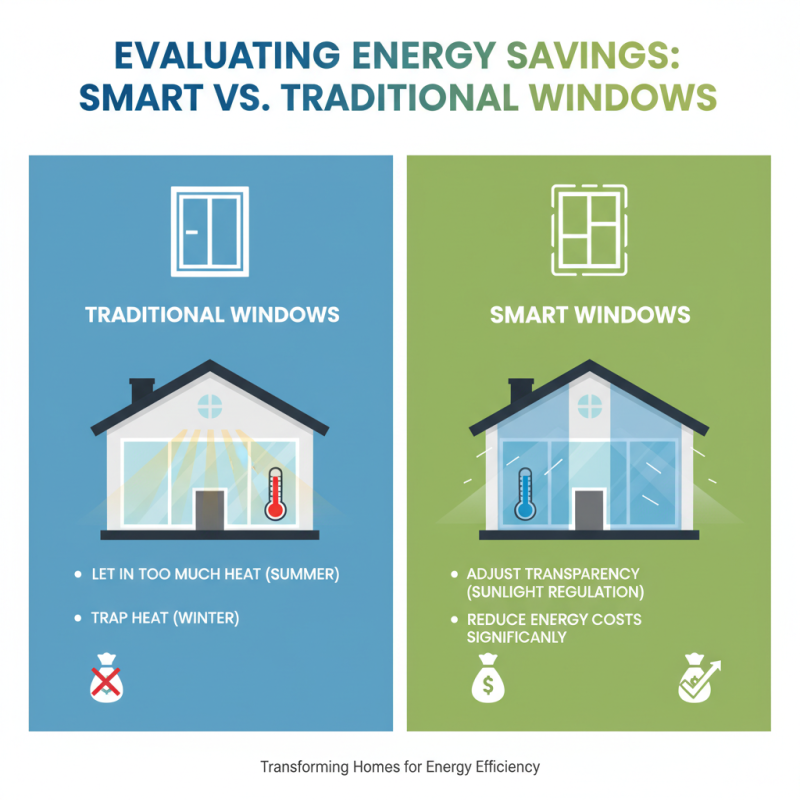
In today's world, energy efficiency has become essential for homeowners. One innovative solution gaining traction is Smart Windows. These advanced windows adapt to environmental conditions, enhancing comfort and saving energy. With Smart Windows, you can reduce heating and cooling costs significantly.
Installation of these windows can be complex. You might need to consult professionals to ensure optimal performance. However, the long-term savings can be worth the initial investment. Smart Windows can also increase your home's value, providing a compelling reason to make the upgrade.
The technology behind Smart Windows is evolving fast. While they offer great benefits, it’s important to stay informed about breakthroughs and maintenance. Understanding how to integrate them into your home can lead to remarkable energy savings. Embrace the change, but remain open to learning and adapting along the way.
Understanding the Concept of Smart Windows and Energy Efficiency
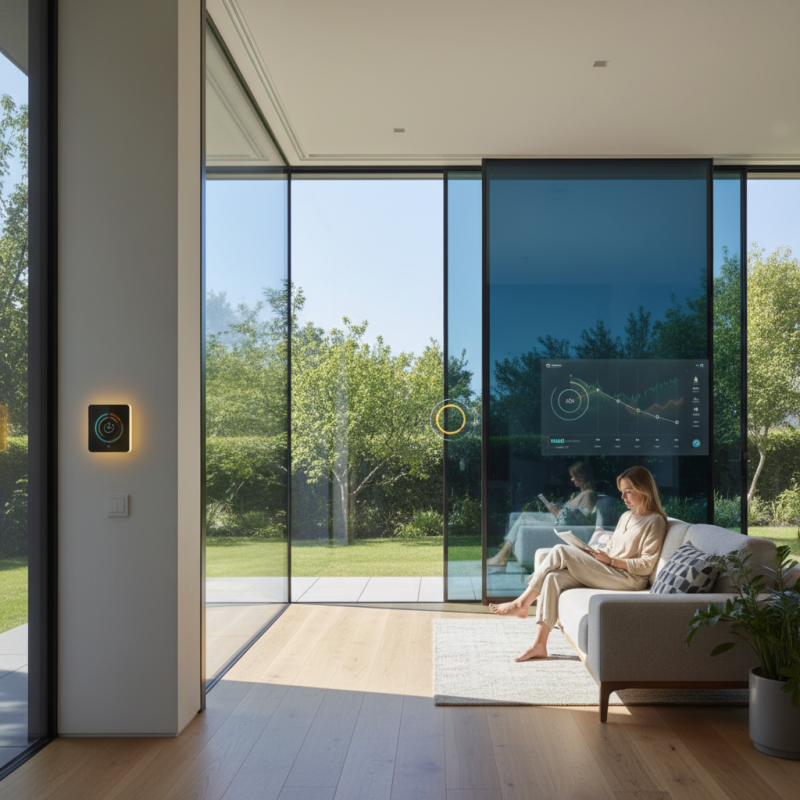
Smart windows offer an innovative approach to enhance energy efficiency in homes. These windows can adapt to environmental changes by responding to sunlight and temperature. For instance, electrochromic glass can tint automatically, reducing glare and solar heat gain. This not only keeps interiors comfortable but cuts down on air conditioning use significantly.
The technology works by adjusting light transmission based on weather conditions. On a sunny day, smart windows can block excessive heat, while allowing natural light to filter through. However, implementation requires careful consideration. Retrofits may not suit every window type or home design. Homeowners should consult experts about the feasibility of installation.
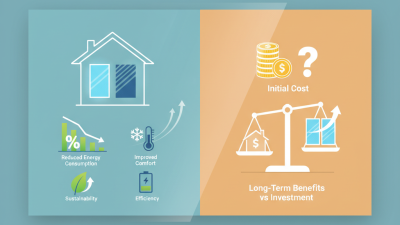
Moreover, while the systems can eventually lead to savings, the initial investment might be daunting. Many people might find themselves questioning if smart windows align with their financial goals. Education on energy savings is essential. Balancing costs with long-term benefits is a challenge. Understanding these nuances is critical in making a wise choice for your home.
Types of Smart Windows and Their Functions for Homes
Smart windows are revolutionizing how we approach energy efficiency in our homes. They come in various types, each designed to enhance comfort while reducing energy costs. The most popular types are electrochromic, thermochromic, and photochromic windows. Electrochromic windows change transparency when an electrical current is applied. They help maintain indoor temperatures by blocking out excess heat or light. Thermochromic windows react to temperature changes, becoming darker on hot days to minimize heat gain. Lastly, photochromic windows adjust to sunlight intensity, darkening in bright light and clear when it's cloudy.
Tips: Consider the orientation of your home when choosing smart window types. South-facing windows benefit from photochromic solutions, while electrochromic windows work well in living areas that need adjustable privacy.
It's essential to assess local climate conditions. Not all smart windows are suitable for every region. Research potential savings carefully, as installation costs can vary widely. If you're unsure, consulting a qualified professional can provide insights tailored to your situation.
Incorporating smart windows is a smart choice, but don't rush. Take the time to evaluate options. Every home has unique needs and circumstances. Rushing into a decision may lead to regrets later.
Energy Efficiency Comparison of Different Types of Smart Windows
Installation and Maintenance Tips for Optimal Performance of Smart Windows
Smart windows can significantly improve energy efficiency in homes. They adjust to changing light and temperature, reducing the need for heating and cooling. According to the U.S. Department of Energy, optimizing window efficiency can lead to energy savings of up to 30% annually. Choosing the right installation method is crucial for achieving these benefits.
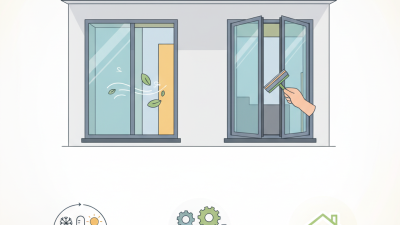
Proper installation ensures that smart windows perform at their best. Make sure to hire professionals who specialize in energy-efficient windows. Issues such as air leakage can seriously undermine efficiency. Regular maintenance is essential for longevity. Clean the window surfaces and check the mechanisms periodically. A report by the National Renewable Energy Laboratory found that regular upkeep can improve window performance by 15%.
Even with the best windows, challenges persist. For instance, extreme weather can strain smart window systems. Homeowners should be prepared to adjust settings for optimal performance. Monitoring system responsiveness is vital. Regular assessments help identify potential issues before they escalate. The key lies in understanding that while smart windows offer many benefits, consistent evaluation and maintenance are necessary for maximum efficiency.
How to Optimize Your Home with Smart Windows for Maximum Energy Efficiency?
| Aspect |
Details |
| Energy Efficiency Rating |
UP to 50% improvement in insulation |
| Installation Cost |
$500 - $1000 per window |
| Maintenance Frequency |
Once a year |
| Smart Features |
Automated tinting, energy monitoring |
| Return on Investment (ROI) |
10-20% increase in property value |
| Average Lifespan |
15-20 years |
| Energy Savings Potential |
Up to $500 annually |
Future Trends in Smart Window Technology and Energy Efficiency
The future of smart window technology is promising.
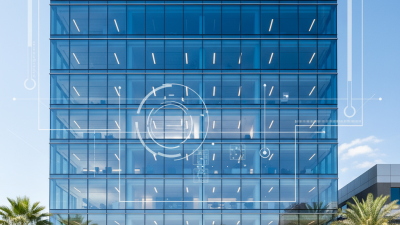
According to a report by the U.S. Department of Energy, using advanced glazing can reduce heating and cooling costs by up to 50%. This reduction is crucial as energy efficiency remains a top priority for homeowners and builders alike. The integration of sensors in smart windows allows for automatic adjustments based on sunlight and temperature, optimizing energy use in real-time.
[Image of Dynamic Glass]
Another trend is the development of dynamic glass, which transitions between transparent and opaque states. Research from the National Renewable Energy Laboratory suggests that this technology can significantly enhance indoor comfort. However, implementation costs and maintenance remain challenges. While these windows show immense potential, users must weigh their affordability against long-term savings.
Adoption rates for smart windows are slowly increasing, driven by energy-efficient building standards. However, awareness is still low. Many homeowners are uninformed about the benefits. Increasing education can play a vital role in the broader acceptance of these technologies. Addressing knowledge gaps might spur greater energy efficiency, making smart windows a viable option for more households.