Top Types of System Doors for Your Building Needs?
When it comes to selecting the right doors for your building, understanding the various System Doors available is crucial. Expert Jason Collins, a leading specialist in architectural door solutions, emphasizes, "Choosing the right System Doors can elevate both functionality and aesthetics." This insight highlights the importance of making informed choices.
System Doors come in many forms, each serving unique needs. From sliding to swinging doors, the options are vast. However, not every choice works for every project. The design, material, and intended use must align. A poorly chosen door can detract from a building's overall appeal and efficiency.
Making these selections requires careful thought. Reflecting on past experiences can guide better decisions. Each System Door type has its own strengths and weaknesses. Navigating this landscape isn't always straightforward, but embracing the challenge ensures a successful outcome. Your building deserves the best options in System Doors.
Top Types of System Doors for Commercial Buildings: An Overview
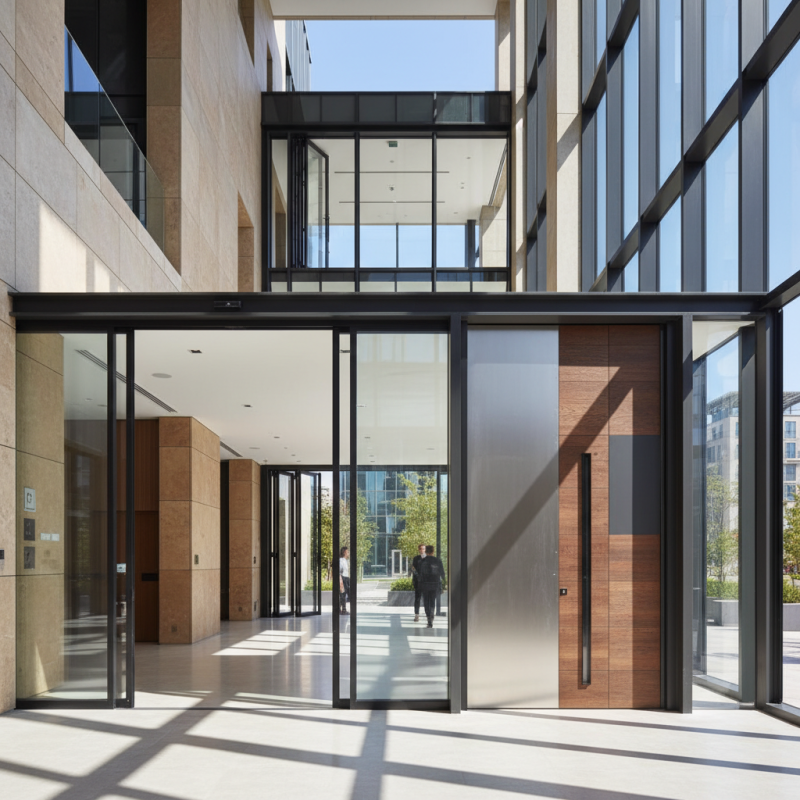
When selecting system doors for commercial buildings, several types stand out.
Glass doors are popular for their transparency and modern appeal. They allow natural light to flow into the space.
This can enhance employee morale and customer experience.
However, they require regular cleaning and maintenance. Scratched glass can diminish their aesthetic.
Another option is metal doors, known for their durability and security.
They can withstand heavy traffic and resist various weather conditions. This makes them a sound investment for busy environments.
On the downside, metal can be prone to rust if not properly treated. Regular inspections are essential to ensure longevity.
Wooden doors offer a classic and inviting look.
They come in many finishes and styles to match any design theme. However, wooden doors can warp or swell due to humidity and temperature changes.
Proper sealing and maintenance are crucial for their performance.
Businesses must weigh these aspects when choosing the right system door for their needs.
Understanding the Different Materials Used in System Doors
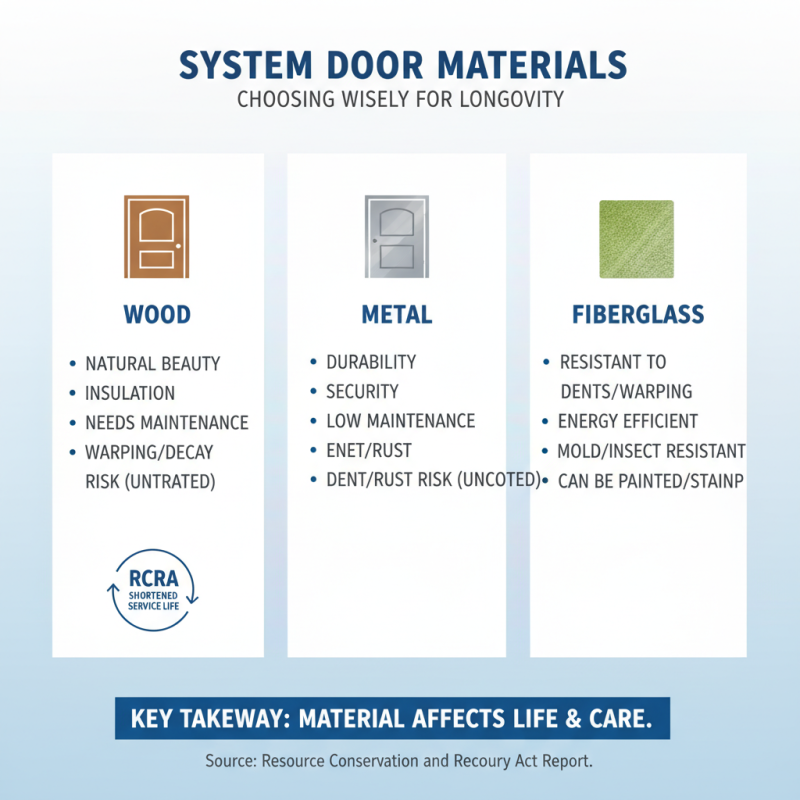
When choosing system doors, understanding the materials is crucial. Wood, metal, and fiberglass are the most common choices. Each material has distinct benefits and downsides. For instance, wood offers natural beauty and insulation. However, it requires regular maintenance to prevent warping and decay. According to a report by the Resource Conservation and Recovery Act, untreated wood doors can shorten service life significantly.
Metal doors, on the other hand, are known for their durability and security. They resist damage from weather and pests. A study from the American National Standards Institute shows that properly installed metal doors can last up to 30 years or more. On the downside, metal can conduct heat and cold, impacting energy efficiency if not adequately insulated.
Fiberglass doors combine strength and aesthetic flexibility. They are resistant to fading and denting. Reports from the Building Research Establishment indicate that fiberglass doors can achieve an R-value of 6, significantly improving energy performance. However, if not properly manufactured, they may not hold up under heavy use. Each material has its unique characteristics and challenges, so it's vital to assess one's specific building needs before making a decision.
Key Features and Benefits of Automatic System Doors
Automatic system doors have gained popularity for their numerous benefits. They enhance accessibility in various settings, including commercial, healthcare, and residential buildings. One of their key features is ease of use. These doors allow hands-free entry, making them ideal for people with disabilities or those carrying heavy items.
Another notable benefit is energy efficiency. Automatic doors are designed to minimize air loss. This helps maintain indoor temperatures, reducing energy costs. They can also contribute to a building's modern aesthetic, seamlessly blending technology with design. However, maintenance is essential. Regular checks can prevent sudden failures, ensuring reliability.
Safety features are vital as well. Many models include sensors that detect motion, helping to prevent accidents. This technology can sometimes malfunction, leading to inconvenience. Installing automatic doors must be done with care to ensure they meet safety standards. Overall, automatic system doors offer significant advantages when chosen and maintained correctly.
Top Types of System Doors for Your Building Needs
| Door Type |
Key Features |
Benefits |
| Sliding Doors |
Space-saving, automatic opening, and closing |
Easy access, enhanced traffic flow, energy efficient |
| Swing Doors |
Durable, customizable, manual or automatic |
Versatile for various environments, high visibility |
| Revolving Doors |
Energy-efficient, aesthetic appeal, self-closing |
Reduces energy loss, protects from wind and noise |
| Bi-Fold Doors |
Space-efficient, wide opening, acoustic control |
Maximizes openings, enhances natural light |
| Sensor Doors |
Hands-free operation, infrared sensors, automatic |
Increased hygiene, accessibility for disabled |
Comparative Analysis: Cost-Effectiveness of Various System Door Types
When considering system doors for your building, cost-effectiveness is crucial. Different door types serve various needs, but their prices can vary significantly. Steel doors are robust and require low maintenance, making them a wise long-term investment. However, their initial costs can be higher than other options.
On the other hand, aluminum doors are lightweight and versatile. They typically feature lower upfront costs but may require more frequent replacements, impacting overall expenses. A detailed evaluation of material longevity and potential repair costs is necessary. Wood doors bring aesthetic appeal but can be costly both in maintenance and initial pricing.
Ultimately, the choice of system doors should align with your budget and functional requirements. Regular assessments of performance and needs can yield insights into which option serves you best. Balancing between initial investment and longevity is key. All doors come with their own trade-offs; understanding these can guide better choices for your building’s future.
Cost-Effectiveness of Various System Door Types
This chart compares the cost-effectiveness of different types of system doors used in buildings. The data reflects the estimated cost per square foot and the average lifespan of each door type.
Industry Trends: Innovations in System Door Technology and Design
The landscape of system door technology is evolving. Innovations are transforming not just aesthetics but functionality as well. Many buildings now emphasize energy efficiency and smart technology. Advanced materials are being used to create doors that are both durable and lightweight. This shift is changing how architects approach design.
There is a growing trend towards integration with smart home systems. Automated doors can enhance security and convenience. Sensors can detect movement, adjusting automatically for accessibility. However, this technology sometimes faces challenges. Issues with compatibility and maintenance can arise. Regular upkeep is crucial for these systems to function correctly.
Design trends are leaning towards minimalism and sustainability. Eco-friendly materials are becoming more popular. Yet, some businesses hesitate to adopt these new practices. Concerns about cost and effectiveness linger. Embracing innovation while balancing practicality is key for many building projects.