How to Create a Smart Sunroom for Ultimate Home Comfort?
Creating a Smart Sunroom can revolutionize your home's comfort. In recent surveys, over 70% of homeowners express interest in enhanced living spaces that blend functionality with technology. This trend indicates a growing demand for homes that adapt to our changing lifestyles.
Smart Sunrooms utilize advanced climate control systems, smart glass technology, and automation to provide an unparalleled environment. Research shows that energy-efficient additions can save homeowners up to 30% on heating and cooling costs. When designed correctly, these sunrooms often add significant value to your property.
However, the implementation of smart technologies can be overwhelming. Choosing the right systems requires careful consideration. Many homeowners miss out on potential benefits by not understanding technology options. Building a Smart Sunroom demands balancing innovation with practicality, ensuring comfort while addressing potential challenges.
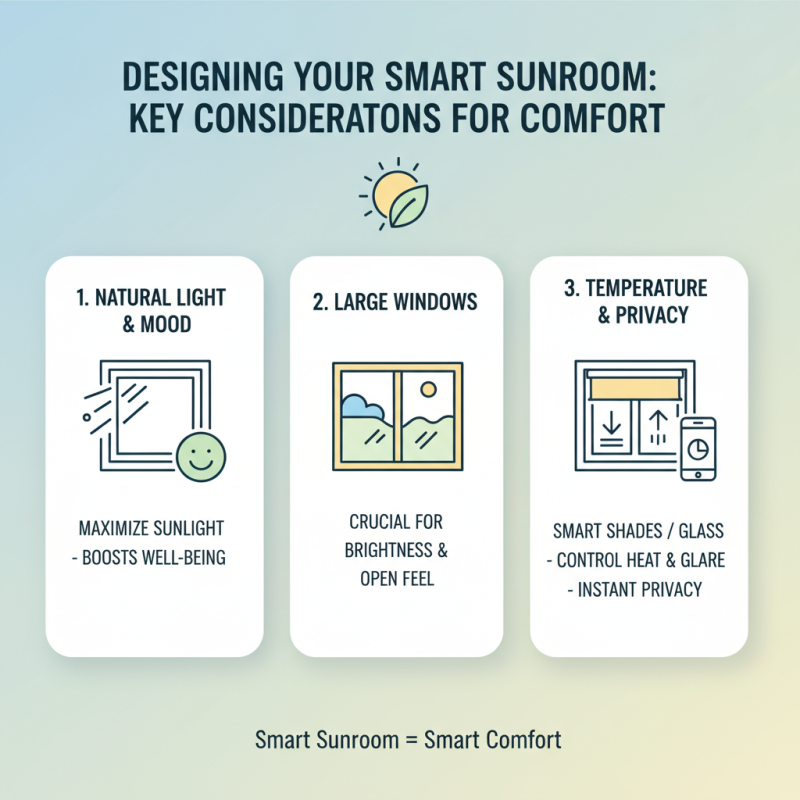
Designing Your Smart Sunroom: Key Considerations for Comfort
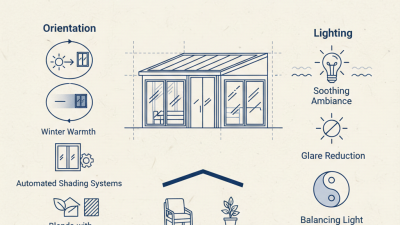
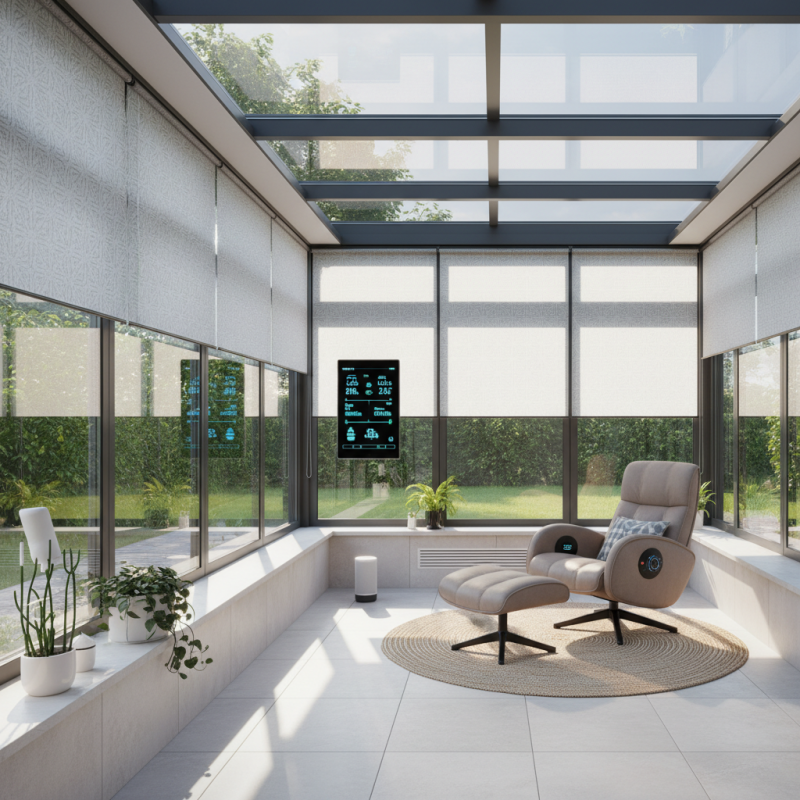
When designing a smart sunroom, comfort comes first. Consider how natural light impacts your mood. Large windows are crucial. They let sunlight in, but ensure they have shades or smart glass. This allows for temperature control and privacy.
**Tips:** Use adjustable blinds. They can help manage light and heat. Smart technologies can automate this process. Also, think about the flooring. Natural materials like bamboo provide warmth and sustainability.
Temperature regulation is essential. A smart thermostat can maintain a consistent climate. Ceiling fans can also help circulate air. Don’t forget about furniture placement. Oversized chairs may look cozy, yet they take up valuable space. Make sure you can move freely.
**Tips:** Opt for multi-functional furniture. Look for pieces with storage. This keeps the space tidy and functional. Consider mixing textures, too; it adds depth to your design. Remember, a sunroom should be a retreat, not a repository.
Selecting the Right Smart Technology for Your Sunroom
Creating a smart sunroom involves selecting the right technology. Begin by assessing your needs. Consider how you will use the space. Will it be a relaxation area, a home office, or an indoor garden? Identifying these details is crucial.
Smart lighting is a great start. It can enhance the ambiance while being energy-efficient. Choose adjustable LED lights that mimic natural sunlight. Control them via smartphone apps or voice commands. This flexibility allows you to create any mood instantly.
Heating and cooling systems deserve attention, too. Smart thermostats can regulate the temperature based on occupancy. However, some setups require frequent calibration. Check user feedback to avoid frustration. Automated blinds add another layer of comfort. They can reduce glare and improve insulation. Yet, ensure they don’t hinder your view.
Reflecting on these choices will lead to a more comfortable living space. Balancing technology with personal preferences may take time. Each decision impacts the overall ambiance.
Insulation and Weatherproofing: Essential for a Cozy Atmosphere
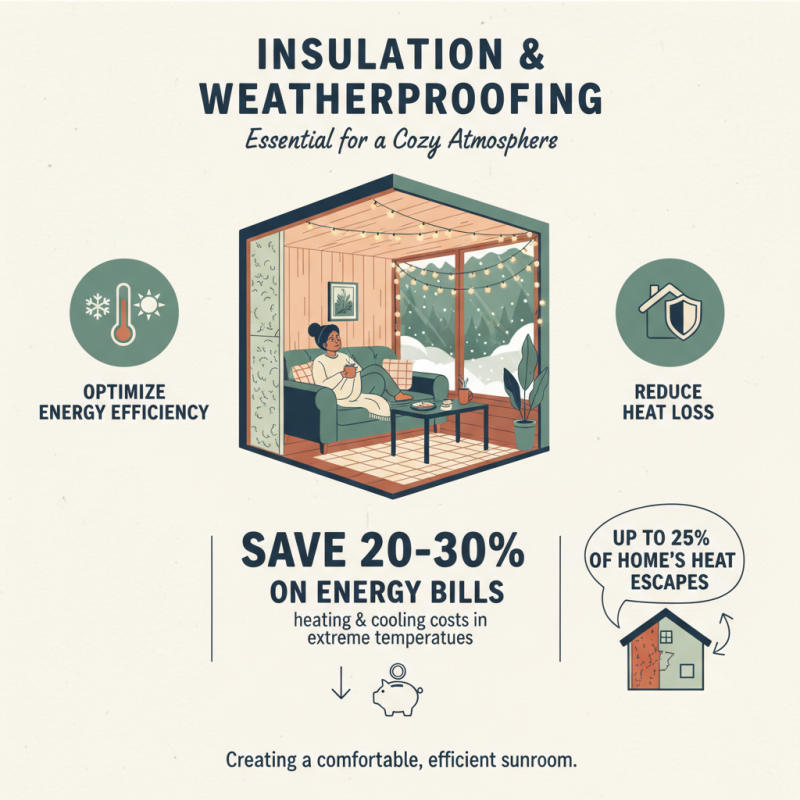
Creating a cozy atmosphere in a sunroom hinges significantly on effective insulation and weatherproofing. Studies show that up to 25% of a home’s heat can escape through poorly insulated spaces. This emphasizes the need for proper insulating materials to optimize energy efficiency. In regions with extreme temperatures, good insulation can reduce heating and cooling costs by 20% to 30%.
Many homeowners neglect the impact of air leaks, which can undermine insulation efforts. Unexpected drafts can lower indoor temperatures, making comfort elusive. Sealing gaps around windows and doors should be a priority. Weatherstripping and caulking are affordable solutions. They help maintain the desired temperature in your sunroom.
Furthermore, consider materials with high R-values. The R-value measures thermal resistance. A higher R-value indicates better insulation performance. For walls and roofs, an R-value of 40 is often recommended in colder climates. However, affordability can be a challenge. Some may opt for cheaper solutions that prove inadequate over time. Regular evaluation and upgrades can lead to long-term comfort and savings.
Lighting Solutions: Maximizing Natural Light in Your Smart Sunroom
Maximizing natural light is crucial in creating a smart sunroom. Sunlight boosts mood and enhances the ambiance. Consider large, strategically placed windows that invite in as much light as possible. Roof windows or skylights can amplify natural light, creating an airy feel. Choosing low-E glass can help regulate temperature while still allowing sunlight to filter through.
In addition to windows, incorporating smart shading solutions makes a difference. Automated shades can adjust based on light levels, offering both privacy and comfort. This technology lets you adapt to different times of the day, ensuring your sunroom is always cozy. Plants also thrive in bright spaces, adding greenery and vibrancy to your sunroom.
As you design your space, reflect on potential challenges. Consider glare, which can be disruptive. Overexposure to sunlight could generate heat, making the room uncomfortable. Testing various configurations will help find the right balance. You might need to experiment before settling on an ideal layout. Balancing light, comfort, and aesthetics is an ongoing process.
Furniture and Decor: Creating a Functional and Inviting Space
Creating a functional and inviting sunroom can elevate your home. Focus on furniture and decor that promote comfort and style. Choose seating that encourages relaxation. A cozy sectional or wicker chairs can work well. Add cushions in warm colors for a welcoming touch.
Consider multifunctional furniture. A coffee table with storage can help keep your space organized. Pair it with small side tables for versatility. Glass or light woods can enhance the airy feel, making the room bright.
Tips: Use indoor plants to enhance the space. They not only purify the air but also introduce warmth. Keep the decor minimal to avoid clutter. Reflect on the balance between practicality and aesthetics. Don’t overwhelm the room with too many decorations; that can detract from its comfort.
Smart Sunroom Features and Preferences