Top 10 Benefits of Using System Doors for Modern Spaces?
In the modern design landscape, "System Doors" have emerged as a dynamic solution for various architectural needs. According to renowned industry expert John Harrison, "System Doors bring together functionality and aesthetic appeal in ways that traditional doors simply cannot." This statement echoes the growing trend of integrating high-quality system doors into contemporary spaces.
System Doors offer versatility and style. They can enhance light flow and create seamless transitions between rooms. Many designers praise their ability to transform a space without sacrificing structural integrity. However, while these doors excel in many areas, there can be challenges in installation and customization. It’s essential to consider the specific needs of the environment in which they are used.
The increasing adoption of System Doors signifies a shift towards innovative architecture. By embracing these doors, designers and homeowners respond to the demand for modern, adaptable spaces. This exploration reveals not only the benefits but the complexities that come with integrating System Doors into a project.
Benefits of System Doors in Enhancing Aesthetic Appeal of Modern Spaces
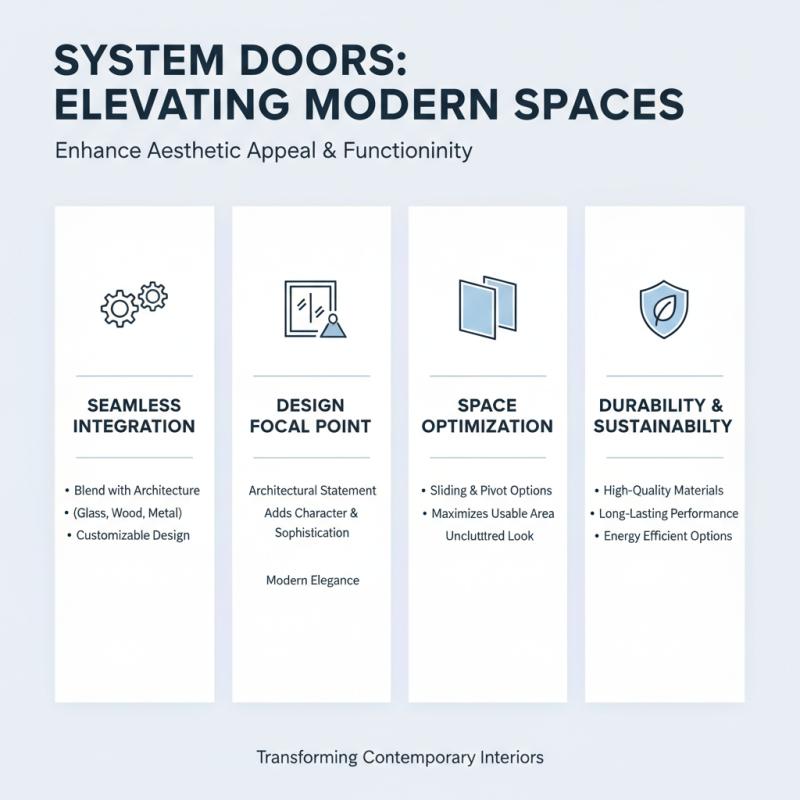
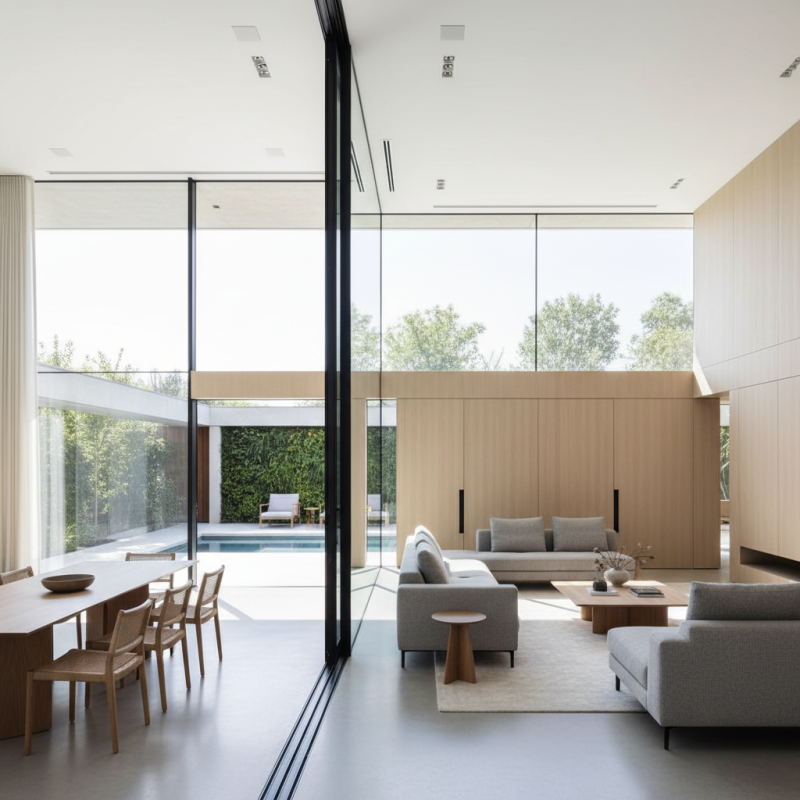
System doors have become a popular choice in modern spaces, thanks to their ability to enhance aesthetic appeal. They offer seamless integration into diverse architectural styles. These doors are not just functional; they serve as a focal point in home design. Whether it’s a sleek glass door or a finely crafted wooden one, each option adds character to the environment.
To elevate your space, consider the following tips: Choose a door that complements the color scheme of your interior. Shades that blend well can create a harmonious look. Additionally, consider the door's material. For instance, glass doors can lighten spaces visually. However, they may require more maintenance to keep them looking pristine.
Another factor is the door's design. Minimalist designs can often appear more elegant. They work well in contemporary settings. Yet, striking a balance is essential. An overly simple door might fade into the background. It's important to experiment with textures and finishes. Ultimately, the right system door can transform a simple room into a stylish retreat.
Improved Energy Efficiency and Sustainability with System Doors
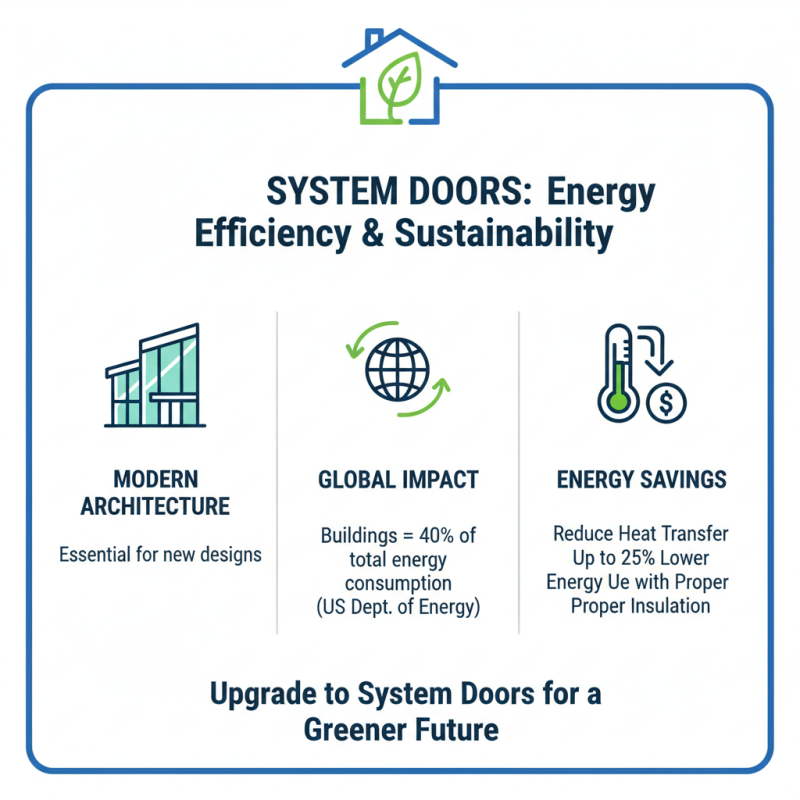
System doors are becoming essential in modern architectural design, especially for energy efficiency and sustainability. According to a report by the U.S. Department of Energy, buildings account for roughly 40% of total energy consumption. Efficient doors can significantly reduce this percentage by minimizing heat transfer. With proper insulation, system doors can lower energy consumption by up to 25%.
Choosing the right materials plays a vital role in energy efficiency. Options like fiberglass or insulated steel can provide better thermal performance compared to traditional materials. Ventilation is equally important. Incorporating doors with advanced sealing technologies ensures minimal air leakage. In fact, studies show that addressing air leaks can reduce heating and cooling costs by 20%.
Tip: Always assess the specific climate where your building is located. This can guide your choice of door material and design for maximum efficiency. Sometimes, the most popular choices may not suit your needs. It's vital to weigh all options. Additionally, consider long-term maintenance costs. Low-maintenance systems might appear cost-effective initially. However, they can lead to higher expenses down the line. Balancing initial investment with future savings can be a challenging yet essential decision.
Enhanced Security Features Provided by Modern System Doors
Modern system doors are designed with cutting-edge security features. These doors offer strong frames, advanced locking mechanisms, and durable materials. The use of steel or reinforced aluminum enhances their resistance to forced entry. Homeowners can feel more secure, knowing that their spaces are protected by reliable technology. The aesthetic appeal of these doors also complements various modern designs.
When choosing a system door, consider your specific needs. Is security your top priority? Do you need extra soundproofing? Magically, some doors can even enhance insulation. A well-chosen system door can significantly reduce energy costs. Opt for energy-efficient materials for added benefits.
It’s essential to regularly check and maintain your system door. Inspect the locks and seals for any wear and tear. Keeping your door clean will also extend its life. Reflecting on the installation process is wise—was it done correctly? An improperly installed door can compromise your home’s security, making you vulnerable. Taking time to ensure every detail is addressed can save you a lot of trouble in the future.
The Role of System Doors in Optimizing Space Utilization and Flexibility
The use of system doors in modern spaces offers notable advantages for optimizing space utilization. These doors are designed to adapt to various environments. They can create fluid transitions between areas, enhancing accessibility. In offices, for instance, system doors allow for quick reconfiguration of workspaces. This flexibility helps support collaboration and improves overall productivity.
Space efficiency is essential in urban settings, where every square foot counts. System doors create an illusion of more open space. They can fold, slide, or pivot, depending on the need. This adaptability can be particularly beneficial in small apartments or shared environments. However, their installation might require careful planning and expertise to achieve the best results.
While system doors enhance practicality, they also introduce design challenges. Choosing the right material and style can be daunting. A mismatch can detract from overall aesthetics. In addition, maintaining the functionality of these systems requires attention. Regular checks are needed to ensure smooth operation. Even these advanced solutions aren’t foolproof; understanding their limitations is key to successful implementation.
Top 10 Benefits of Using System Doors for Modern Spaces
Cost-Effectiveness and Long-Term Savings of Installing System Doors in Buildings
When considering building improvements, cost-effectiveness is key.
System doors offer significant long-term savings. According to a recent industry report, buildings with quality system doors can see energy savings of up to 30%.
This cutting-edge design reduces heating and cooling costs. As energy prices continue to rise, these savings become even more important.
Investing in system doors also reduces maintenance expenses. Traditional doors may require frequent repairs due to wear and tear.
System doors, crafted from durable materials, withstand the test of time. They also provide enhanced security, decreasing the likelihood of break-ins.
A notable study indicated that properties with stronger entry systems experienced a 60% drop in theft-related incidents.
Tip: Conduct an energy audit to understand your building's current efficiency. This helps identify areas where system doors can provide the most value.
Regularly review maintenance logs for traditional doors. Doing so can reveal hidden costs that system doors could alleviate.
In the long run, these intelligent choices lead to a more sustainable and economically viable building solution.