How to Choose the Best Mobile Sunroom for Your Home?
Choosing the right Mobile Sunroom can enhance your home in many ways. As homeowners look for more versatile spaces, the demand for these sunrooms has risen significantly. According to a recent report by the National Association of Home Builders, nearly 60% of homeowners consider adding sunrooms to increase property value.
Expert in modular design, Jane Holloway, emphasizes the importance of selecting features that match both your home and lifestyle. She states, “A well-chosen Mobile Sunroom can transform everyday living into an extraordinary experience.” This highlights the need for careful consideration when making a choice.
Color, size, and materials must resonate with your existing décor and personal taste. Many homeowners overlook the importance of these details, leading to dissatisfaction later. Investing time in research is crucial. A poorly chosen sunroom might not just affect aesthetics; it can also impact comfort and utility. Reflect on your needs before diving into the purchase.
What is a Mobile Sunroom and Its Benefits for Homeowners?
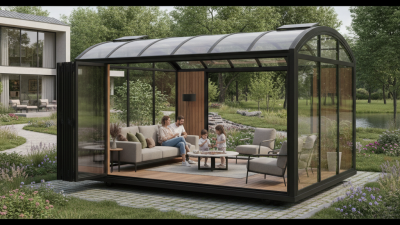
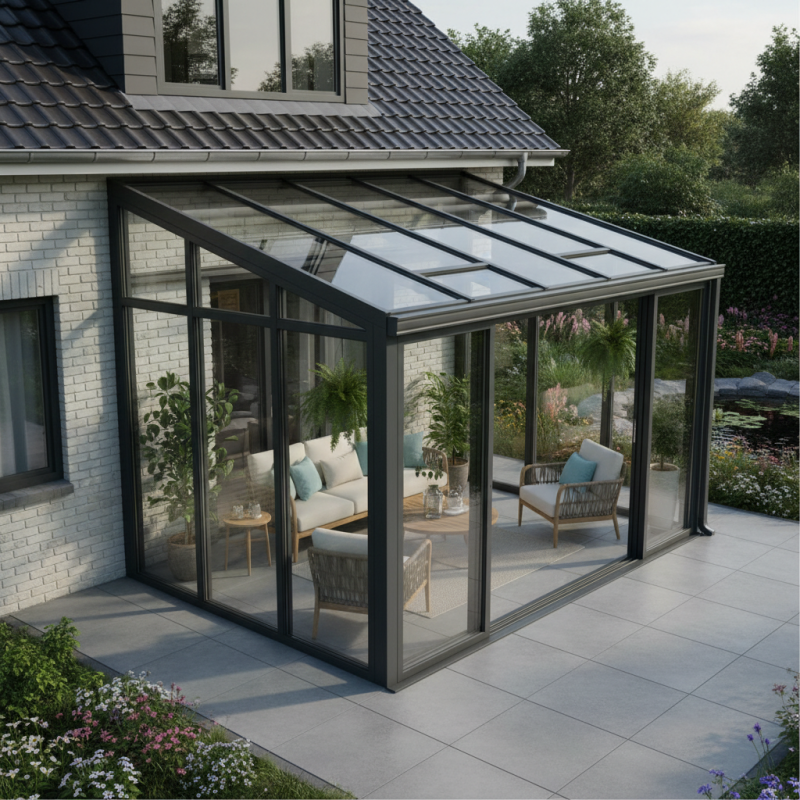
A mobile sunroom is a versatile addition to a home, providing extra space and comfort. Unlike traditional sunrooms, they are designed to be movable. This feature allows homeowners to change their outdoor living space, offering flexibility for various needs. According to a report by the National Association of Home Builders, adding a sunroom can increase your home’s value by 4% to 6%, making it a worthwhile investment.
One significant benefit of mobile sunrooms is their ability to enhance natural light in your home, which can boost mood and productivity. Research indicates that natural light exposure can improve focus by up to 15%. Additionally, these sunrooms can create protected environments for plants, providing an extended growing season.
**Tip:** Consider your local climate when choosing a mobile sunroom. It should withstand seasonal weather conditions. Check for proper insulation to maintain comfortable temperatures.
Another aspect to ponder is the aesthetic appeal. While mobile sunrooms can be beautiful, they may require updates to align with your home’s design. Be mindful of how they integrate with your existing landscape. A well-designed sunroom can truly elevate your outdoor experience, but careful planning is essential for maximizing benefits.
Key Factors to Consider When Choosing a Mobile Sunroom
When choosing a mobile sunroom, several key factors come into play.
Space is paramount. Assess your property size and placement options for the sunroom.
It should enhance your home rather than overwhelm it. Consider how much sunlight you really get in different seasons.
A bright and airy sunroom feels more inviting. Yet, too much heat can make it uncomfortable.
Ensuring ample shade or ventilation could save you from future regrets.
Material choice greatly impacts the longevity and maintenance of your sunroom.
Options vary from aluminum to wood.
Think about the climate in your area. Some materials hold up better in harsher weather.
Be aware of the upkeep each option requires. For instance, wood may need regular sealing or painting, while metal may resist rust better.
Another important aspect is design. A mobile sunroom should complement your existing architecture.
Analyze your home’s aesthetics. The best designs create a seamless transition between indoors and outdoors.
However, don’t overlook functionality. Would you like it as a casual space or a more formal gathering area?
Reflect on your needs before making a final decision.
Comparing Materials: Aluminum vs. Vinyl for Mobile Sunrooms
When choosing a mobile sunroom, the material plays a crucial role. Many homeowners often face the dilemma between aluminum and vinyl. Both materials have unique features, and understanding their pros and cons can help you make an informed decision.
Aluminum is known for its strength and durability. It can withstand harsh weather conditions, making it ideal for areas with extreme temperatures. The sleek finish of aluminum also offers a modern edge. However, it can be prone to corrosion if not properly treated. This could lead to unforeseen maintenance costs.
On the other hand, vinyl is lightweight and offers excellent insulation properties. It tends to be more affordable than aluminum. Vinyl is also resistant to fading, peeling, and cracking. Yet, it may not hold up as well in severe storms. Choosing the right material requires careful consideration of your local climate and personal preferences. Evaluate how each material aligns with your lifestyle and long-term goals for your mobile sunroom.
Comparing Materials for Mobile Sunrooms: Aluminum vs. Vinyl
Understanding Local Regulations and Permits for Mobile Sunroom Installation
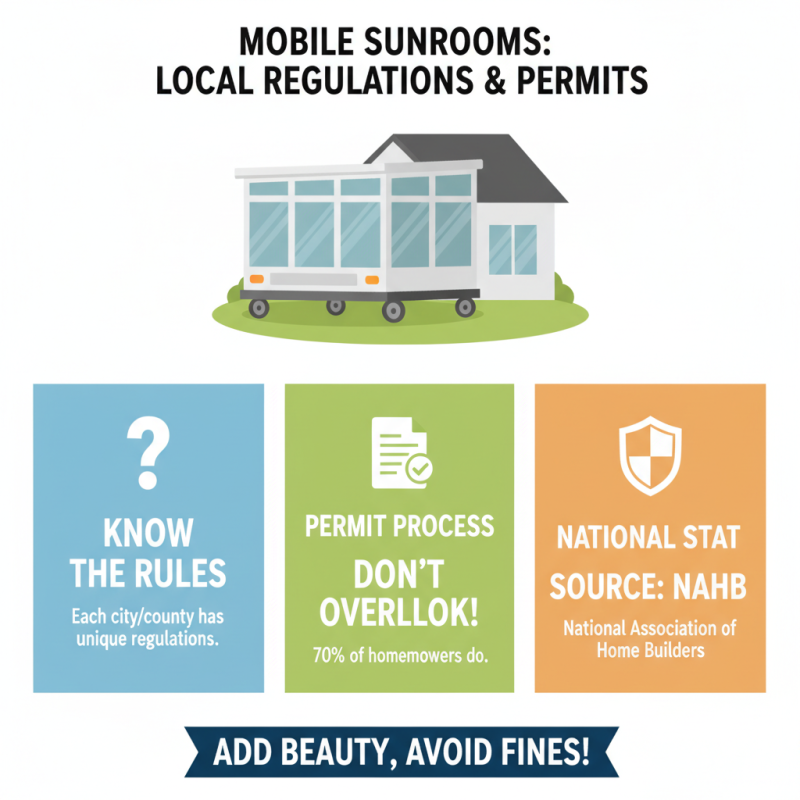
Installing a mobile sunroom can add beauty and functionality to your home. However, understanding local regulations is vital. Each city or county may have unique rules regarding mobile structures. For instance, a recent study from the National Association of Home Builders notes that 70% of homeowners overlook the permit process.
Moreover, you might face zoning restrictions that dictate where a sunroom can be placed. These regulations often depend on property lines, setback requirements, and local building codes. Failing to obtain the necessary permits can lead to fines or forced removal. HomeAdvisor reports that 30% of homeowners had to deal with compliance issues during their installation process.
When considering a mobile sunroom, research your local guidelines thoroughly. Documentation may include site plans or structural details. Some areas might also require inspections during or after construction. Engaging with local authorities early can prevent potential roadblocks. Remember, understanding these regulations ensures a smoother installation process.
Cost Analysis: Budgeting for Your New Mobile Sunroom
When considering a mobile sunroom, budget plays a crucial role. Prices can vary significantly based on size and materials. A recent industry report indicates that a basic mobile sunroom can start around $5,000. However, high-end models can exceed $25,000. It's essential to determine what features matter most to you. Custom options can inflate costs quickly.
Installation costs represent another significant expense. On average, homeowners spend about $1,000 to $3,000 for professional installation. DIY installation can save money but may lead to unforeseen challenges. Be wary of potential hidden costs, like permits or site preparation.
Ongoing maintenance expenses should also factor into your overall budget. Monthly utility costs for climate control, on average, can add another $50 to $150. It's easy to overlook these recurring costs. Engaging with experienced professionals can help clarify what you need for long-term satisfaction. Balancing initial investment with future costs can lead to more informed decisions.