How to Choose the Perfect Mobile Sunroom for Your Home?
Choosing the right mobile sunroom can enhance your living space. A mobile sunroom adds value and comfort to your home. According to the National Association of Realtors, outdoor living spaces can increase home resale value by up to 12%. This makes a mobile sunroom an attractive option for homeowners.
When selecting a mobile sunroom, consider your needs. Do you want a space for relaxation or entertainment? Understanding your requirements helps narrow down your choices. A mobile sunroom can range from simple designs to luxurious setups. Features such as insulated glass and climate control add to the appeal.
It's crucial to research manufacturers. Not all mobile sunrooms are created equal. Look for companies with a proven track record and positive customer reviews. Verify their warranties and installation services too. A well-made mobile sunroom can be a significant investment, so take the time to make an informed decision. Reflecting on these aspects can lead you to the perfect choice.
Understanding Mobile Sunrooms: Types and Features to Consider
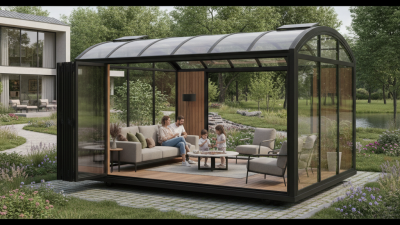
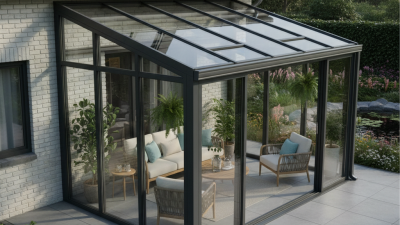
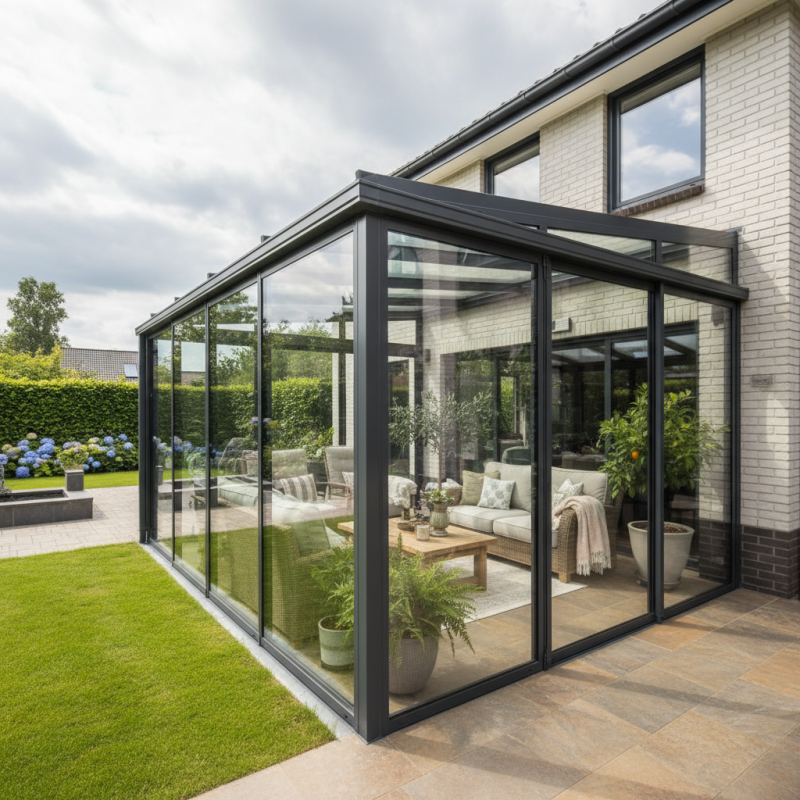
Choosing a mobile sunroom requires understanding its types and features. There are various designs, including traditional, modern, and hybrid styles. Each design offers different aesthetics and functionality, catering to diverse homeowner preferences. Consider how the sunroom will blend with your existing architecture. A mismatch can lead to disappointment.
Quality materials are vital. Look for options like thermal glass or durable frames. These can enhance insulation and longevity. Poor choices in materials may compromise comfort and efficiency. Ensure that the sunroom is well-ventilated. Without proper airflow, it could become too hot in summer.
Think about the purpose of your sunroom. Will it be a relaxation space or a greenhouse? The intended use should inform your decisions. Reflect on how well you can maintain the space. Not everyone has the time for regular upkeep. A sunroom's features should support your lifestyle, not complicate it.
Assessing Your Space: Measuring and Planning for a Mobile Sunroom
When planning for a mobile sunroom, measuring your space is crucial. Start by assessing your yard or patio. Consider the dimensions of the area where the sunroom will sit. It should fit harmoniously with the existing layout of your home. Remember to factor in any landscaping or obstructions.
Tip: Use a tape measure to get accurate dimensions. Mark out the area with stakes or spray paint. Visualizing the space helps in assessing whether a sunroom will feel spacious or cramped.
Think about the surrounding environment. Natural light is essential for a sunroom. Look for spotty shade areas affected by trees or buildings. If natural light diminishes due to shadows, it might not be the ideal location.
Tip: Take photos of the area at different times of the day. These images can provide insights into sunlight patterns and shade.
Lastly, consider access. The entrance to your sunroom should connect seamlessly with your home. A well-placed entry point enhances flow between spaces. Reflect on how the sunroom will be used. Will it be a serene retreat or a vibrant gathering spot? That choice impacts its placement.
How to Choose the Perfect Mobile Sunroom for Your Home?
| Dimension |
Measurement |
Notes |
| Width |
8 - 14 feet |
Ensure it fits comfortably in your yard. |
| Length |
10 - 20 feet |
Consider available space and functionality. |
| Height |
7 - 10 feet |
Make sure it complies with local building codes. |
| Roof Type |
Flat or Sloped |
Choose based on climate and aesthetics. |
| Material |
Aluminum, Glass, Vinyl |
Select based on durability and maintenance. |
Material Matters: Choosing the Right Structure for Durability and Aesthetics
When selecting a mobile sunroom, the choice of material significantly impacts its durability and aesthetic appeal. Common options include aluminum, vinyl, and wood. Aluminum is lightweight and resistant to corrosion. It’s a practical choice for those living in humid areas. However, it may lack the warmth of other materials. Vinyl offers the advantage of low maintenance, but can be less sturdy in extreme weather conditions.
Wood exudes natural beauty and can blend seamlessly with a garden. Yet, it often requires more upkeep to prevent rotting. Consider how each material will hold up over time. A bare, cold aluminum sunroom can feel unwelcoming. On the flip side, a wooden sunroom can provide warmth but might demand frequent repairs.
Weather patterns in your area also play a role. For instance, intense storms could stress lighter materials. You might find yourself repainting or sealing more often than anticipated. Reflect on both form and function. Balancing aesthetics with practical needs ensures your sunroom serves you well for years.
Cost Analysis: Budgeting for Installation and Maintenance of Sunrooms
When budgeting for a mobile sunroom, understanding installation costs is crucial. Typically, homeowners spend between $15,000 and $30,000. This range usually covers materials and labor. A recent industry report stated that labor often constitutes about 40% of the total cost. Therefore, choosing a reliable contractor can significantly influence your expenses and overall satisfaction.
Maintenance costs should also be considered. Annual upkeep, including cleaning and repairs, averages around $500 to $1,500. Factors like climate and materials used affect these estimates. For instance, glass structures may require more frequent cleaning and weather protection. A study showed that neglecting routine maintenance increases long-term costs by as much as 30%.
Choosing the right mobile sunroom contains financial challenges. Ensure you conduct thorough research and gather multiple quotes before making any decisions. This process helps in avoiding pitfalls and hidden costs. Some homeowners may overlook these expenses, leading to regretful investments. Be aware of these details when planning your new sunroom.
Cost Analysis of Mobile Sunrooms Installation and Maintenance
Local Regulations: Navigating Zoning Laws for Mobile Sunroom Installation
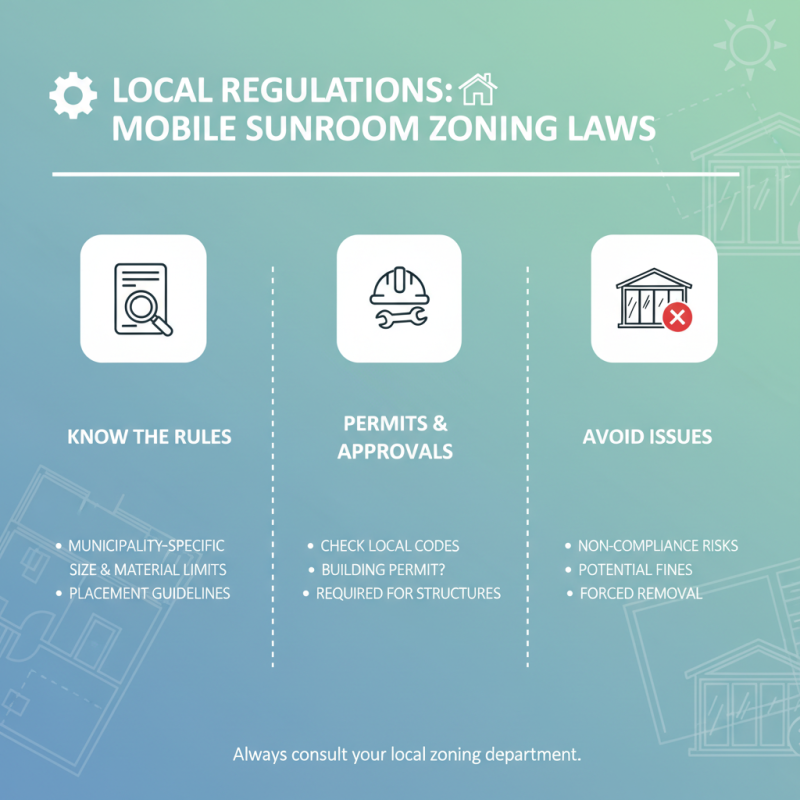
When considering the installation of a mobile sunroom, understanding local zoning laws is crucial. Each municipality has specific regulations guiding the placement and construction of sunrooms. These laws can vary significantly, affecting everything from size to the materials used. It’s essential to check if your area requires building permits for this type of structure. Some homeowners have faced fines or had to remove their sunrooms due to non-compliance with these regulations.
Many towns have restrictions on the setbacks from property lines. This means your sunroom may need to be a certain distance from your home or neighboring properties. Ignoring these rules can lead to costly adjustments down the line. Engaging with local planning offices can provide valuable insight. They can help clarify any uncertainties about your project. Sometimes, these regulations may inspire creative design solutions, but they can also be a source of frustration. You may find that the perfect location for your sunroom may not comply with local laws.
Researching your area’s zoning regulations can save time and money. Engaging with local experts can help navigate the complexities of these laws. They often have a wealth of experience working with various projects. This expertise is invaluable when making decisions about your sunroom. Flexibility and patience are key, as navigating these rules can be time-consuming.