Leave Your Message

7 Best Tilt and Turn Windows for Global Buyers

Choosing the right Tilt-And-Turn Window requires more than admiring a clean frame or smooth showroom operation. Global buyers must balance ventilation, thermal performance, security, weather resistance, and installation quality. A window suited to a cold Alpine home may perform differently in a humid coastal apartment. This guide reviews seven leading options through practical criteria, including frame materials, glazing systems, hinge durability, drainage design, seals, and after-sales support. Small details matter. A poorly adjusted sash can create drafts, noise, and difficult operation.

The comparison also considers measurable information, such as U-values, air tightness, water resistance, acoustic ratings, warranty terms, and available replacement parts. Manufacturer specifications provide a useful starting point, but installer experience often reveals problems that brochures do not show. Hardware may feel excellent during testing, yet become less convenient with heavy triple glazing or frequent daily use. Regional climate, wall construction, and local workmanship can change the final result significantly.

There is no universal best choice. Some rankings depend on incomplete product data, changing prices, or limited regional availability. That deserves reflection. Buyers should verify current certifications, local building requirements, delivery conditions, and qualified installation support before ordering. This overview aims to offer a reliable starting point, not a permanent verdict. The best window is the one that matches the building, climate, budget, and long-term maintenance expectations.
7 Best Tilt and Turn Windows for Global Buyers

What Tilt-and-Turn Windows Are and How Their Dual Opening System Works

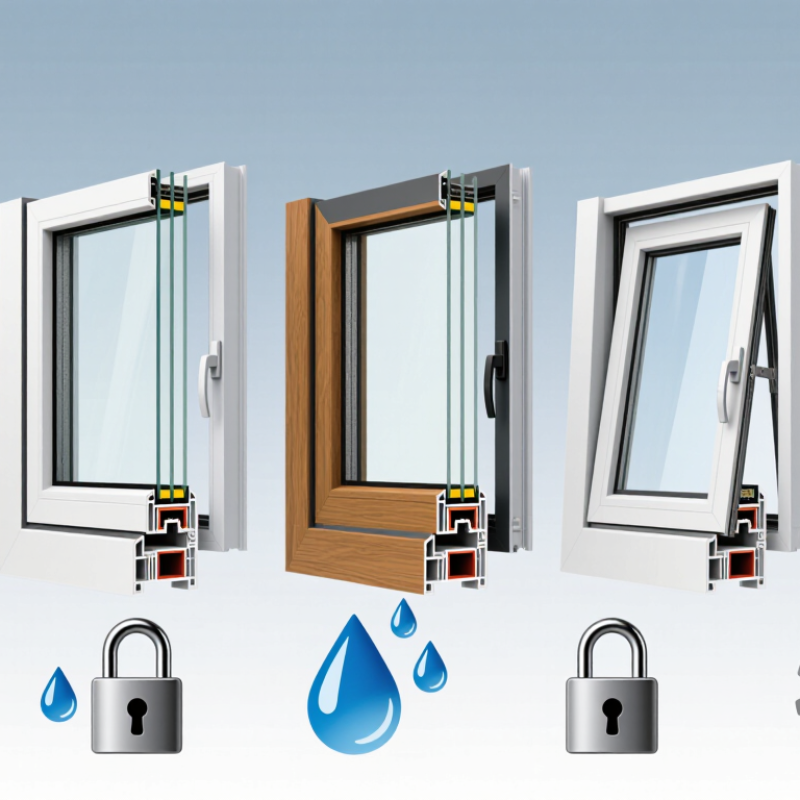
Tilt-and-turn windows use one sash with two operating positions. Rotate the handle upward, and the top edge tilts inward for controlled ventilation. Turn the handle sideways, and the sash swings inward like a door. This dual opening system can move air across a room while limiting the opening during light rain. In practical use, the tilt position feels useful beside a desk or bed. The turn position makes cleaning the exterior glass easier from inside.

The U.S. Department of Energy estimates that windows can cause 25% to 30% of residential heating and cooling energy use. That figure makes frame quality, glazing, and installation more important than the opening mechanism alone. Look for documented U-values, solar heat-gain data, air-leakage ratings, and tested hardware cycles. The International Energy Agency reported in its 2023 buildings assessment that buildings consumed about 30% of global final energy. Small envelope improvements therefore matter, especially in large homes and offices. However, performance figures are not universal. Climate, glass orientation, shading, and installer skill can change results. That is the uncomfortable part. A high-specification window can still perform poorly when the frame is poorly sealed. For global buyers, check local drainage requirements, wind-load testing, and applicable standards before comparing prices.
Key Standards for Comparing Tilt-and-Turn Windows Worldwide

For global buyers, compare test results, not brochure adjectives. The 2024 Global Status Report for Buildings and Construction estimates that buildings and construction used 32% of global energy in 2023. That figure does not measure window performance, but it shows why thermal data deserves close attention. Check the whole-window U-factor, often listed as Uw, rather than relying on the center-of-glass value alone. Lower Uw generally means less heat transfer, but climate, frame size, glazing, and installation all affect real-world performance. Small details matter.

Ask for reports tied to recognized methods. EN 14351-1 covers product characteristics for windows in relevant European markets; ISO 10077-1 provides a method for calculating thermal transmittance. For air leakage, water resistance, and wind load, compare declared classifications and test conditions, such as those under EN 12207, EN 12208, and EN 12210. In North America, NFRC labels provide standardized energy ratings, but rating values may not match another region’s test method directly. Compare like with like.

Tilt-and-turn hardware also needs practical checks. Confirm the sash dimensions, opening direction, locking points, drainage details, and maintenance access. Request independent test documentation for the exact configuration, including glazing and frame. A strong result on one size may not transfer to a larger unit. And installation quality can undo good factory performance. There is no perfect comparison table; the missing detail is often the installation specification.

7 Best Tilt and Turn Windows for Global Buyers - Key Standards for Comparing Tilt-and-Turn Windows Worldwide A practical comparison of seven common window configurations. These are selection categories, not tested or ranked individual products.
Window Configuration Typical Frame Often Suited To Glazing Approach Standards and Performance Checks Important Buying Consideration
1. Cold-Climate High-Insulation Thermally broken aluminum, uPVC, timber, or composite frame Cold regions and projects prioritizing reduced heat loss Often triple insulating glass; low-emissivity coatings and gas fill may be specified Compare whole-window U-factor or Uw, not glass-only Ug. In Europe, check declared performance under EN 14351-1; in the United States, compare NFRC-certified U-factor. Triple glazing adds weight. Confirm sash hardware, hinges, and frame are designed for the specified glass build-up.
2. Balanced All-Climate Multi-chamber uPVC or thermally broken aluminum Mixed climates where cost, insulation, and maintenance all matter Double insulating glass is common; low-e glass can be selected for the climate and orientation For European projects, review air permeability (EN 12207), watertightness (EN 12208), and wind resistance (EN 12210) test classifications. Compare test results for the complete window size and configuration; profile descriptions alone do not establish performance.
3. Timber-Faced Interior Solid or engineered timber frame Projects seeking a natural interior finish and good thermal performance Double or triple insulating glass, selected according to climate and acoustic needs Check the declared whole-window thermal performance and the applicable air, water, and wind test results for the destination market. Timber finish and coating affect upkeep. Ask about maintenance intervals, drainage details, and exposure limitations.
4. Timber-Aluminum Clad Timber interior with an exterior aluminum cladding Exposed façades where a timber interior and weather-resistant exterior are desired Double or triple insulating glass; coating and spacer choices affect the complete assembly Review whole-window thermal data and applicable weather-performance classifications; confirm the tested configuration matches the specified opening. Cladding does not by itself prove water resistance or durability. Check corner joints, drainage paths, and finish warranties.
5. Warm-Climate Solar-Control Thermally broken aluminum or another frame selected for local conditions Hot or sunny climates, especially façades with significant solar exposure Solar-control low-e glass may help manage solar heat gain; double glazing is commonly considered Compare SHGC or g-value alongside U-factor. NFRC labels report U-factor and SHGC in the United States; European declarations commonly use g-value. Lower solar gain can reduce overheating but may also reduce useful winter sun or daylight. Specify by orientation and climate.
6. Acoustic-Performance Configuration Any frame system with suitable seals, hardware, and glazing support Homes near roads, railways, airports, or other noise sources Consider asymmetric insulating glass or laminated acoustic glass as part of a complete acoustic design Compare sound insulation results such as Rw (and relevant spectrum terms) measured using applicable ISO 10140 and rated under ISO 717-1 methods. Glass alone does not determine indoor noise. Installation joints, vents, walls, and the tested window size also matter.
7. Safety-Glazing Configuration Frame and hardware selected for the opening size, use, and local requirements Locations where glazing impact safety is required or specified Use safety glass where required; laminated or toughened glass may be appropriate depending on the application Check the relevant local safety-glazing rules and applicable test standard, such as EN 12600 in many European contexts or ANSI Z97.1/CPSC requirements in the United States. Safety-glass requirements depend on location and use. Confirm the exact pane marking and specification rather than relying on a general product description.

How to compare globally: Request test reports or certified declarations for the complete tilt-and-turn window, including its stated dimensions, glazing, opening mode, and hardware. Standards, labeling schemes, climate conditions, and building-code requirements differ by country; classifications from different systems are not automatically interchangeable. Insulating-glass units are commonly specified to EN 1279 in Europe, while local product and energy rules should be confirmed for each project.

Seven Top Tilt-and-Turn Window Choices for Different Buyer Needs

Global buyers rarely need the same window. Cold-climate homes may suit triple glazing with well-sealed frames, though the full window specification matters more than glass alone. For street-facing rooms, laminated acoustic glass can help reduce traffic noise when paired with a compatible frame and careful installation. A slim-frame option may suit renovations where daylight and outward views matter. Check thermal performance before choosing appearance.

Bathrooms can use privacy glass while retaining a tilt opening for controlled ventilation. Upper-floor bedrooms may benefit from a tilt-first configuration, but opening limits and safe installation deserve attention. For easier cleaning, inward-opening sashes let many owners reach the outer pane from indoors; allow space for the sash near curtains and furniture. A tilt-and-turn balcony door can serve buyers who want window ventilation and room access in one unit. Threshold details and weather sealing need close review.

Fit matters. Ask suppliers for documented air, water, wind, and thermal test results relevant to the project. Ratings and test methods can differ between markets, so compare like with like. Measure the opening, wall depth, and handle clearance before ordering. I would not assume the most expensive specification is automatically best. Climate, building exposure, maintenance habits, and installer skill all change the choice. A small mismatch can be annoying for years.

How Climate, Glazing, Materials, and Hardware Affect Global Performance

Tilt-and-turn windows must suit the weather they will actually face, not just look good in a catalogue. In wind-driven rain, check that the frame, seals, and drainage paths work together. Coastal air can accelerate corrosion, so durable finishes and corrosion-resistant hardware matter. In cold regions, insulated frames and effective thermal breaks help reduce heat loss. Small details matter.

Glazing should match both climate and room orientation. Low-emissivity coatings can limit heat transfer, while solar-control glass may reduce glare in sun-exposed rooms. Triple glazing can improve insulation, but it is not automatically the best choice; added weight may require stronger hinges, and local conditions affect performance. Check the whole glass unit, including its edge spacer, since cold edges can encourage condensation. A common planning mistake is choosing glass by insulation figures alone.

Frame material also shapes upkeep and performance. Timber offers a warm appearance but needs periodic finish checks, especially where rain reaches exposed edges. Aluminium is stable, though thermal breaks are important in colder climates. PVC-based frames require less routine painting, but frame quality and reinforcement still vary. Ask for documented air, water, and wind testing for the intended window size. Hardware should support the sash weight and allow smooth operation in both tilt and turn positions. Not always easy to judge. Before ordering, confirm that installation details suit the wall and climate; even a well-tested window can underperform when poorly fitted.

Buying, Installing, and Maintaining Tilt-and-Turn Windows Across Markets

Buying, Installing, and Maintaining Tilt-and-Turn Windows Across Markets

Choosing among seven tilt-and-turn window types requires more than comparing glass and frame prices. Climate, wall construction, ventilation habits, and local fitting standards all affect performance. A cold market may need triple glazing and warm-edge spacers. A humid region may require corrosion-resistant hardware and carefully sealed drainage paths. Ask suppliers for thermal, acoustic, air-leakage, and water-resistance test data. Marketing claims alone are not enough.

Installation quality often decides whether the window performs well. Confirm the rough opening dimensions before ordering. Leave the manufacturer’s specified expansion space around the frame. Fitters should use compatible tapes, membranes, and low-expansion foam. The sash must remain square, with even gaps on every side. Test both opening modes before finishing the interior reveals. Small alignment errors can cause rubbing, weak seals, or difficult locking.

Maintenance differs slightly by environment. Clean drainage channels every few months, especially after dusty seasons. Lubricate hinges and locking points with products approved for the hardware. Inspect seals for cracks, shrinkage, or permanent flattening. Coastal properties need more frequent metal-hardware checks. No checklist is perfect. A neglected detail, such as trapped plaster near the frame, can create trouble later. Keep installation records, product specifications, and adjustment dates for future service. Local regulations may also affect safety restrictors, escape openings, and replacement work, so qualified professionals should verify the final design.