Leave Your Message

10 Essential Tips for Navigating Glass Door Effectively?

Navigating Glass Door can significantly impact your career. In today's competitive job market, using platforms like Glass Door effectively is essential. According to a 2021 LinkedIn report, about 70% of job seekers rely on online reviews to evaluate potential employers. This highlights the importance of understanding how to maximize your use of Glass Door.

Accessing accurate company insights helps you make informed decisions. However, many professionals struggle to interpret the available data. A study by CareerBuilder found that 58% of job seekers focus heavily on company culture. This indicates the necessity of leveraging Glass Door reviews to gauge workplace environments. Practicing caution is vital, as some reviews might be biased or overly critical.

Understanding the nuances of Glass Door can lead to better career choices. Engaging with the right information transforms your job search experience. A thoughtful approach will help you uncover valuable insights while avoiding pitfalls. In a world driven by online perceptions, mastering Glass Door becomes a key skill for your professional journey.

10 Essential Tips for Navigating Glass Door Effectively?

Understanding the Glass Door Concept in Workplace Transparency

Understanding the Glass Door concept in workplace transparency is crucial for both employers and employees. Glassdoor provides insights into company culture, management styles, and employee satisfaction. According to a recent survey, 76% of job seekers consider company reviews essential when choosing an employer. This highlights the growing demand for transparency in the hiring process.

Employees today value openness. A 2021 study found that companies with transparent practices see a 50% higher retention rate. This suggests that these organizations create a trusting environment. However, not all feedback on platforms like Glassdoor is constructive. Some reviews can be inflated or biased. It's important for job seekers to critically assess these comments, keeping in mind that every review may not reflect the overall company experience.

Navigating this transparency can be challenging. Companies must balance showcasing their positive aspects while addressing areas of improvement. Open dialogues about workplace culture foster a real sense of community. Job seekers should seek clarity on any discrepancies noted in reviews. By understanding the Glass Door concept, individuals can make informed decisions about their career paths, ensuring a better match with their values and expectations.


Researching Company Reviews and Ratings on Glassdoor

Researching company reviews and ratings on Glassdoor is crucial for job seekers. This platform provides insights from current and former employees. Users can gain valuable knowledge about a company's culture, management style, and employee satisfaction levels. Pay attention to both positive and negative reviews. Each perspective can highlight strengths and weaknesses.

When exploring ratings, consider the overall trends rather than specific comments. A company may have a mix of experiences. Look for patterns in feedback. Anonymity allows honest expressions, but it can also lead to exaggerations. Always critically assess what resonates with your values and expectations. Read between the lines to get the full picture.

Analyze review details for context. Dates of the reviews can indicate changes in company dynamics. Recent reviews tend to reflect the current environment. Historical data may show past issues the company has resolved or still struggles with. These details can guide your decision-making process. Expect some opinions to differ from your expectations. This creates an opportunity for personal reflection on what is most important to you in a workplace.

Utilizing Salary Information for Competitive Advantage

10 Essential Tips for Navigating Glass Door Effectively?

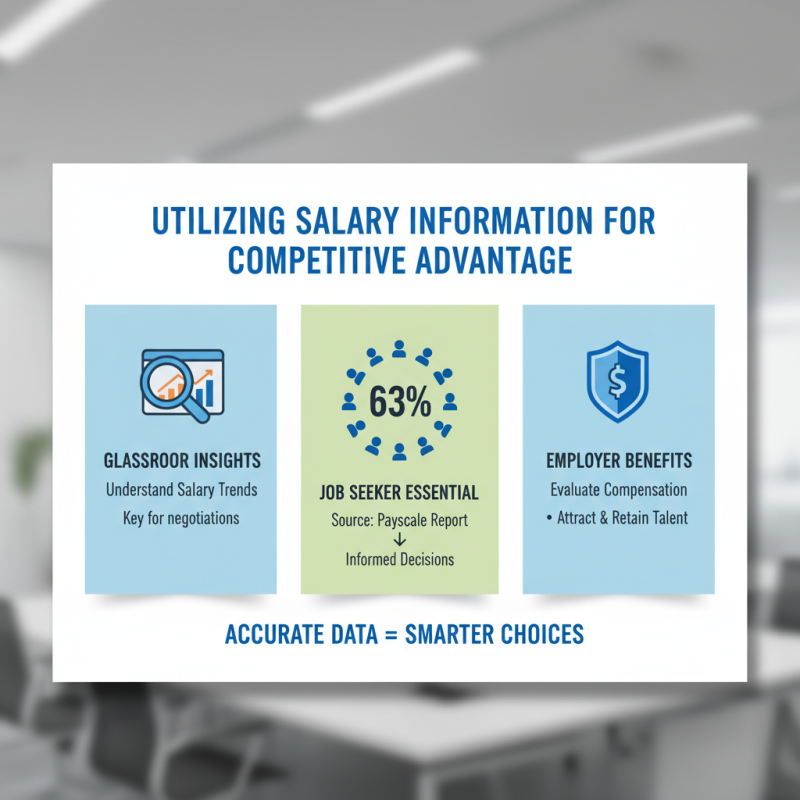
Using Glassdoor effectively involves understanding its salary insights. A report from Payscale indicates that 63% of job seekers consider salary information essential. This data underscores the competitive advantage for both job seekers and employers. Accurate salary data helps candidates make informed decisions. It also enables companies to evaluate their compensation packages.

Employers must recognize the importance of transparency. According to a Glassdoor survey, 70% of employees say they are more likely to apply to a company that shares salary ranges. This transparency can attract top talent. However, disclosing salary information can expose gaps in pay equity. Companies should regularly review their pay structures to ally any discrepancies.

Job seekers can leverage salary information to negotiate better offers. A study by LinkedIn shows that 39% of candidates do not negotiate their salaries. Using credible salary data can empower these individuals. It encourages them to pursue fair compensation. Nevertheless, candidates should be cautious. Effective negotiation requires understanding market trends and individual worth in their industry.

Engaging with Company Responses to Reviews for Insight

Responding to company reviews on platforms like Glassdoor can provide valuable insights. Many candidates research company responses before applying. According to a recent LinkedIn survey, 94% of job seekers consider workplace culture when making decisions. A well-crafted response can enhance trust.

Engaging directly with reviewers demonstrates that a company values feedback. It helps build a genuine connection with prospective employees. Responding thoughtfully can highlight a company’s commitment to employee satisfaction. Additionally, research from Harvard Business Review noted that companies that engage with reviews see up to 30% lower turnover rates.

Not all responses are perfect. Sometimes, companies may overlook negative reviews or respond too defensively. This can backfire. It's essential to acknowledge concerns openly. Reflecting on past shortcomings shows a commitment to improvement and transparency. A balanced approach can foster a positive company image while attracting top talent.

10 Essential Tips for Navigating Glass Door Effectively

Tip Number Tip Description Importance Level Actionable Steps
1 Read reviews thoroughly to understand company culture. High Skim through both positive and negative reviews.
2 Engage with company responses to reviews for deeper insights. Medium Take note of how companies address criticism.
3 Look for common themes in reviews. High Identify repeating issues or praises across multiple reviews.
4 Check the company's overall rating versus competitors. Medium Compare the average ratings for similar companies.
5 Follow the company to receive updates and new review notifications. Low Set alerts for new reviews or responses.
6 Use filters to narrow down reviews by job title or location. High Select relevant job categories to find pertinent feedback.
7 Pay attention to the dates of reviews for relevance. Medium Prioritize recent reviews for the latest insights.
8 Note how many reviews have been submitted in total. Low Understand the volume of feedback for reliability.
9 Consider the ratio of positive to negative experiences. High Calculate the balance of good versus bad reviews.
10 Engage with other users in the comment sections for additional insights. Medium Provide your own information while also listening to others’ experiences.

Maximizing Networking Opportunities Through Glassdoor Resources

Navigating networking opportunities through online resources can be a game-changer. Many overlook platforms that offer detailed insights and connections. By utilizing these tools wisely, you can enhance your professional growth.

Explore features that allow you to connect with industry professionals. Join discussion forums to gain insights from experienced individuals. Participate actively. Share your views and ask questions. Engaging in conversations can open doors to new opportunities.

Don’t shy away from reaching out to individuals for informational interviews. Craft personalized messages. Show genuine interest in their experiences. Many professionals appreciate the effort and may respond positively. Mistakes happen, and not every outreach will yield a result. Reflect on your approach continually. Adapt and refine your strategy based on the responses you receive. This adaptability is key to building a strong network.