Why Choose a Sliding Door for Your Home Interior Design?
Sliding doors have gained popularity in modern home interior design. They blend style and functionality seamlessly. Their sleek appearance makes them suitable for various spaces, from compact apartments to spacious houses. Homeowners often appreciate how sliding doors save space. Unlike traditional doors, they do not swing open, allowing for unrestricted movement.
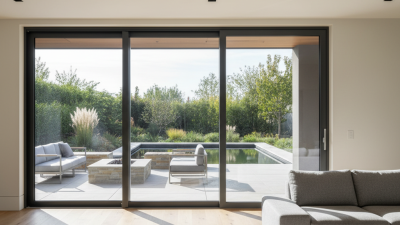
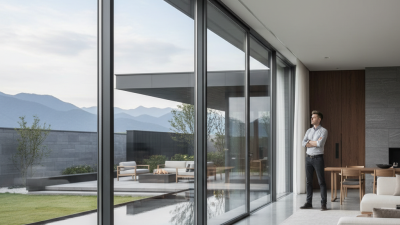
The versatility of sliding doors is noteworthy. They can serve as room dividers or as access points to outdoor spaces. Their large glass panels invite natural light, enhancing the overall ambiance. This illumination creates a warm and inviting atmosphere in your home. Additionally, sliding doors can enhance your home's energy efficiency. High-quality models offer insulation, helping to reduce energy costs.
However, the decision to install sliding doors isn't without its challenges. Installation can be tricky and requires careful planning. Improper placement might lead to issues with accessibility. Also, keeping the tracks clean is essential for their functionality. Yet, the benefits often outweigh these concerns. With thoughtful consideration, choosing a sliding door can transform your home into a stylish and functional oasis.
Benefits of Sliding Doors in Interior Design
Sliding doors have become a popular choice in modern home interior design. They serve as practical solutions to space issues. These doors can effortlessly divide rooms while still maintaining a sense of openness. They are especially beneficial in smaller spaces, where every square foot counts. A well-placed sliding door can create an illusion of larger areas.
One major advantage of sliding doors is their versatility. They come in various materials and styles, from sleek glass to rustic wood. This variety allows homeowners to find the perfect match for their decor themes. Additionally, these doors often improve natural light flow in a room. More light can make a space feel warmer and more inviting.
However, there are considerations to keep in mind. Installing sliding doors can require more space for the sliding mechanism. Some may struggle with cleaning the tracks over time. Despite these challenges, many find that the aesthetic appeal outweighs the drawbacks. Ultimately, the choice of a sliding door can enhance both functionality and style in a home.
Space-Saving Advantages of Sliding Doors
Sliding doors have gained popularity in home interior design due to their space-saving advantages. According to a report by the American Institute of Architects, nearly 65% of homeowners prioritize functionality in their living spaces. Sliding doors utilize less floor space compared to traditional swinging doors, freeing up room for furniture placement and movement. This feature is especially valuable in small apartments or homes with limited square footage.
Moreover, sliding doors often create a seamless transition between indoor and outdoor spaces. When opened, they can significantly enhance natural light, making rooms feel larger. A survey conducted by the National Association of Realtors found that homes with sliding doors received 15% more interest from potential buyers. However, one common misconception is that sliding doors compromise security. While newer models include advanced locking mechanisms, it's essential to evaluate your options carefully. Choosing the right door can ensure both aesthetic appeal and safety.
Lastly, the installation process should not be overlooked. Improper installation can lead to functionality issues down the line. Homeowners should consider hiring experienced professionals for this job. Despite the drawbacks, such as potential maintenance needs or limited insulation, the benefits of incorporating sliding doors into a home’s design often outweigh the negatives. As trends evolve, these doors remain a pivotal element in modern interior design.
Aesthetic Appeal: Enhancing Interior Style with Sliding Doors
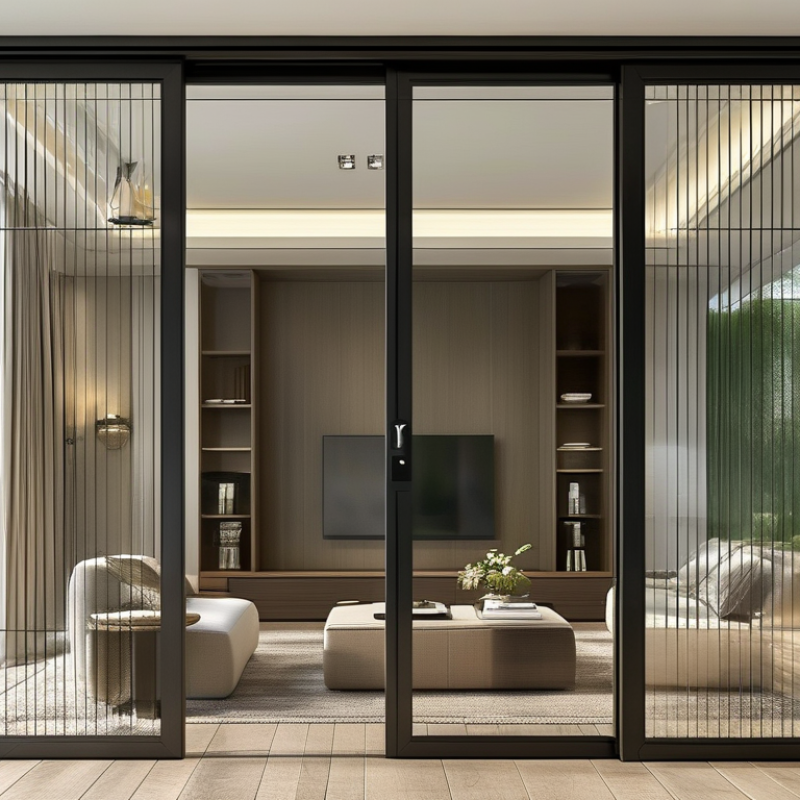
Sliding doors have become a popular choice in modern interior design. Their sleek frames and glass panels can define spaces without overwhelming them. They add an air of elegance, enhancing the aesthetic appeal of any room. Whether used in living rooms, kitchens, or bedrooms, sliding doors create a seamless transition between spaces.
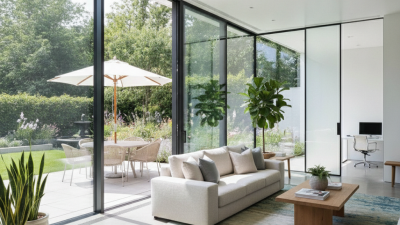
These doors maximize natural light while maintaining privacy. Imagine a cozy living room flooded with sunlight. A sliding door allows you to enjoy the view while keeping the space open and airy. They come in various styles and materials, from wood to metal, ensuring compatibility with different decor themes. However, finding the right style can be challenging. Not every design fits every home. This requires careful consideration and planning.
Choosing a sliding door is not just about looks. It's about functionality and flow in your home. They can sometimes be difficult to maintain and may require regular cleaning. Additionally, the tracks can become dusty and clogged. Opting for more simplistic designs might reduce such concerns. Nonetheless, the aesthetic benefits often outweigh these practical challenges.
Why Choose a Sliding Door for Your Home Interior Design? - Aesthetic Appeal: Enhancing Interior Style with Sliding Doors
| Feature |
Description |
Aesthetic Benefit |
| Space Saving |
Sliding doors move parallel to the wall, minimizing the space required for opening. |
Allows for a more open and flowing layout in smaller spaces. |
| Natural Light |
Often feature large glass panels that let in abundant sunlight. |
Enhances the brightness and warmth of a room. |
| Versatility |
Available in various materials, styles, and finishes. |
Can complement a range of design themes from modern to traditional. |
| Indoor-Outdoor Flow |
Creates a seamless transition between indoor and outdoor living spaces. |
Enhances the overall aesthetic and usability of the home. |
| Customization |
Can be tailored to fit specific dimensions and design preferences. |
Personalizes spaces and adds unique character to interiors. |
Versatility of Sliding Doors in Different Rooms
Sliding doors are increasingly popular in home interior design due to their adaptability in various spaces. In living rooms, they create a seamless transition between indoor and outdoor areas. A report by the National Association of Realtors states that sliding doors can increase property value by enhancing natural light and flow. This is particularly appealing in urban homes where space is limited.
In kitchens and dining areas, sliding doors serve multiple functions. They can separate dining from cooking spaces while maintaining an open feel. A study by the American Institute of Architects found that open floor plans including sliding doors have seen a 30% preference among homeowners. This style promotes interaction, making space feel larger and more inviting.
Tip: Consider the material of the sliding door. Glass doors brighten any room but require regular maintenance. For privacy, wooden or composite sliding doors can be a better choice.
Crafting the right ambiance with sliding doors can be a challenge. While they offer convenience, finding the right design and placement may take time. Careful planning is crucial to ensure they fit your vision and needs. Remember, it’s okay to seek professional advice for optimal results.
Choosing the Right Material and Style for Sliding Doors
Sliding doors have become increasingly popular in home interiors. Choosing the right material and style for these doors is crucial. Popular materials include wood, glass, and metal. Each offers unique aesthetics and functionality. For instance, wood brings warmth but may require more maintenance. Glass creates an illusion of space, enhancing natural light. However, it can be less private and may pose safety concerns.
When selecting a style, consider your home's overall theme. Modern homes often feature sleek metal frames. Rustic homes may benefit from reclaimed wood designs. The sliding mechanism also matters. Soft-close systems ensure quiet operation but may come at a higher cost. A well-chosen sliding door can seamlessly connect spaces, offering both function and beauty.
Not all sliding doors suit every home. Personal preference plays a significant role. Some may prioritize style over practicality. Others might focus on durability or energy efficiency. It's essential to weigh these factors carefully. Taking the time to reflect on what you truly need can lead to a more satisfying choice.
Why Choose a Sliding Door for Your Home Interior Design?