What Is the Best Sunshade Awning to Buy?
Choosing the best Sunshade Awning requires more than comparing fabric colors or showroom prices. It means studying heat control, wind exposure, installation quality, maintenance, and daily comfort. A beautiful awning can still disappoint if its projection is too short or its frame cannot handle local weather.
Market research shows steady demand. Grand View Research estimated the global awnings market at approximately USD 9.7 billion in 2022, with continued growth expected through 2030. The U.S. Department of Energy also reports that properly positioned awnings can reduce solar heat gain by up to 77% on south-facing windows and 65% on west-facing windows. Those figures matter in a bright room with hot glass, fading furniture, and a rising cooling bill.
John Carmody, a leading solar-control researcher and former director of the Center for Sustainable Building Research, has emphasized, “The best shading device is the one that responds to the building, climate, and occupants.” That principle is easy to overlook. A retractable Sunshade Awning may suit a patio used every evening, while a fixed model may better protect a shopfront throughout the day. Fabric openness, UV resistance, drainage, and motor reliability deserve equal attention. Yet no product is perfect. Wind sensors can fail, colors can fade, and premium automation may exceed a modest budget. This guide compares those compromises, using recognized performance data and practical buying experience rather than attractive marketing claims.
Types of Sunshade Awnings and Their Main Uses
What Is the Best Sunshade Awning to Buy?
Types of Sunshade Awnings and Their Main Uses
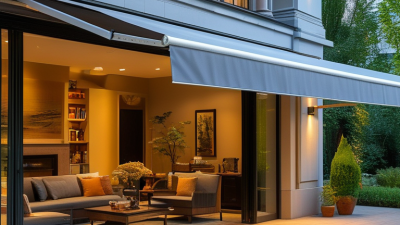
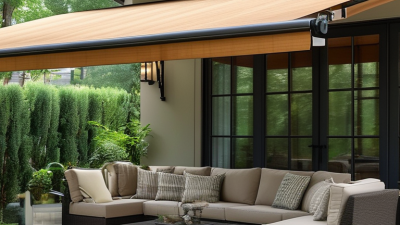
A retractable awning suits patios, balconies, and small outdoor dining areas.
Its fabric rolls away when strong winds arrive. I have found this flexibility useful near homes with changing sunlight. Manual models are simple, while motorized versions offer easier daily adjustment. However, careless operation can leave the fabric partly extended during sudden weather changes.
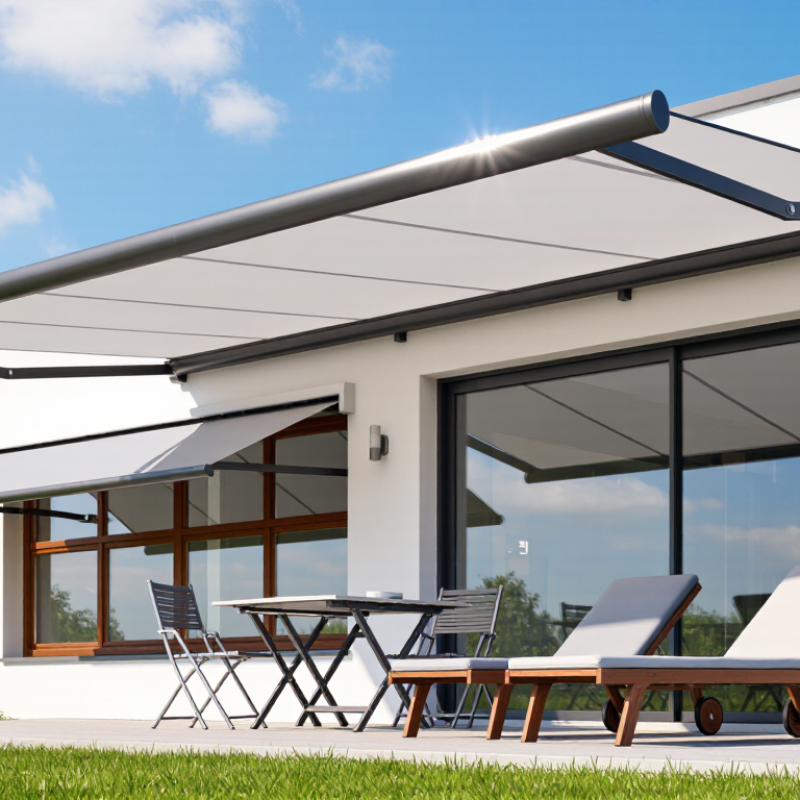
A fixed awning provides steady shade above windows, doors, or shop entrances.
It usually has a stronger frame and needs secure wall support. This type works well where afternoon heat repeatedly enters the same room. A window awning can also reduce glare on desks and floors. Check the wall condition first. Weak masonry can cause expensive problems.
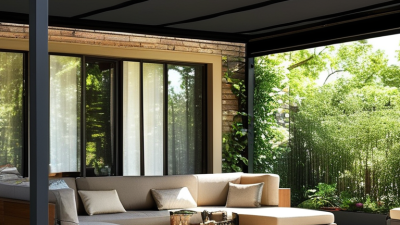
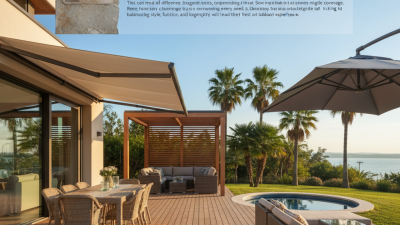
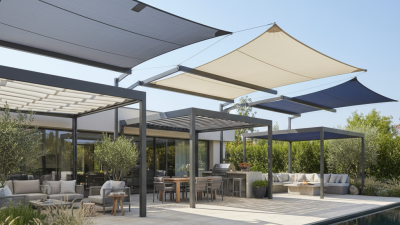
Freestanding canopies work well beside pools, gardens, and temporary seating areas.
They do not depend on a building, so placement is more flexible. Pergola-style shades create a larger, more defined outdoor room. They may use fabric panels, slatted roofs, or adjustable louvers. Choose breathable fabric in humid climates, but remember that lighter colors can show dirt quickly. Wind exposure matters more than many buyers expect. Measure the shade path at different hours, then consider drainage, cleaning access, and winter storage. I once underestimated late-day sun on a narrow terrace. The awning looked suitable, but its projection was too short. That mistake still influences how I assess outdoor shade.
Key Factors for Choosing the Right Awning
Choosing the best sunshade awning starts with your space, not its appearance. Measure the wall width, projection, and mounting height carefully. A wide awning may shade a patio well, but it can overload a weak wall. Check the wall material and use suitable fixing hardware. Professional installation is worthwhile for masonry, balconies, or large retractable systems.
Fabric matters too. Look for UV-resistant, water-repellent material with strong stitching and reliable color retention. Full waterproofing is not always necessary. In warm climates, breathable fabric can reduce trapped heat more effectively. Consider wind exposure, drainage, cleaning needs, and seasonal storage. Manual operation is simple and affordable, while motorized control offers convenience but adds maintenance points.
Tips: Watch the shadow during different hours. Midday shade may not protect evening seating. Ask for fabric samples outdoors, because indoor colors can mislead. I once chose a darker fabric that looked elegant, but it made a small patio feel noticeably hotter. My choice was not entirely right. Check product specifications, warranty terms, and local installation requirements before buying. When wind or snow is common, use a system with clear operating limits and retract it early.
What Is the Best Sunshade Awning to Buy? — Key Factors for Choosing the Right Awning
A practical starting point is the awning projection. The chart shows the ideal horizontal projection needed to shade a 2-meter-high window at different solar elevations. Lower sun angles require a deeper awning, while higher angles need less projection.
Projection values are calculated using P = H ÷ tan(θ), where H is 2 meters and θ is the solar elevation angle. When choosing an awning, allow extra depth for fabric slope, side sunlight, local wind conditions, and the window’s mounting height.
Comparing Awning Materials, Designs, and Durability
The best sunshade awning depends on material, design, and local weather.
The U.S. Department of Energy reports that window awnings can reduce solar heat gain by up to 65% on south-facing windows and 77% on west-facing windows. Those figures make fabric choice more than a visual decision.
Solution-dyed acrylic usually performs well under strong sunlight. Its color resists fading, while its woven structure allows limited airflow. Polyester can cost less, but prolonged ultraviolet exposure may weaken it faster. For rainy regions, check water resistance, seam quality, and drainage rather than trusting marketing labels. Aluminum provides a rigid frame and needs little repainting. Steel feels stronger, but untreated surfaces can corrode near the coast.
Design affects daily use. A retractable model offers shade when needed and protects the fabric during storms. A fixed awning gives steadier coverage but receives constant wind pressure. ASCE 7-22 wind-load guidance shows why anchoring and structural loads deserve professional attention, especially on exposed walls. The fabric should also meet recognized testing practices, such as ASTM G154 ultraviolet exposure testing.
A practical inspection is simple: look for loose brackets, pooled water, brittle stitching, and noisy hinges. Small defects become expensive. I would not choose the thickest fabric automatically; heavier material can strain weak hardware. My earlier preference for maximum coverage overlooked ventilation, and that was a mistake. Test a sample outdoors before ordering the full awning.
Installation, Maintenance, and Weather Resistance
What Is the Best Sunshade Awning to Buy?
A dependable sunshade awning starts with careful installation, not fabric color. Choose a wall or frame that can carry the awning’s full weight and movement. Use corrosion-resistant fasteners suited to the surface. For masonry, anchors must sit securely in solid material, not weak mortar. Leave a slight slope so rainwater moves away from doors and windows. A level check and firm torque matter more than speed.
For retractable awnings, retract the fabric before strong wind, hail, or heavy snow arrives. Weather resistance has limits. Solution-dyed fabric usually handles sunlight well, while breathable materials can reduce trapped moisture. Still, no fabric remains waterproof forever. I once underestimated how quickly pollen collected inside a rolled awning. That small mistake caused staining and an unpleasant smell. A qualified installer can also check local wind exposure and mounting requirements.
Maintenance should be simple and regular. Brush away leaves with a soft brush, then rinse with clean water. Avoid harsh cleaners, stiff scrubbing, and pressure washing. Let the fabric dry fully before storage or retraction. Inspect seams, brackets, bolts, and the opening mechanism every few months. After a storm, look for stretched fabric or slight frame movement. Some advice sounds obvious. Yet these small checks often reveal damage before it becomes expensive. Keep a maintenance record, even if it is only a dated note on your phone.
How to Match an Awning to Your Space and Budget
What Is the Best Sunshade Awning to Buy?
How to Match an Awning to Your Space and Budget
The best awning fits your wall, weather, and daily routine. Measure the window width, available wall height, and desired projection before comparing prices. Leave enough clearance for doors, gutters, and outdoor lighting. Measure twice. A compact retractable awning may suit a narrow balcony, while a larger patio needs stronger arms, deeper projection, and secure structural fixing.
Budget should include installation, maintenance, and possible reinforcement. The U.S. Department of Energy reports that awnings can reduce solar heat gain by up to 65% on south-facing windows and 77% on west-facing windows. These figures depend on orientation, fabric coverage, and local climate. A cheaper fabric may fade sooner, especially under intense ultraviolet exposure. Check technical sheets for water resistance, wind limits, frame materials, and warranty terms. Do not assume every “weatherproof” label means full rain protection.
For coastal or windy locations, professional installation matters more than decorative details. A qualified installer should inspect masonry, timber, or concrete before choosing anchors. In my site checks, I have seen attractive awnings mounted too close to gutters, creating drainage problems. That mistake can cost more than a better specification. The U.S. Department of Energy also advises combining exterior shading with efficient windows and ventilation. Shade is personal. Consider when you use the space, how much glare you tolerate, and whether manual control is realistic. A technically excellent awning can still disappoint if nobody wants to operate it.
What Is the Best Sunshade Awning to Buy? - How to Match an Awning to Your Space and Budget
| Awning Type |
Best for |
Typical Width |
Typical Projection |
Sun Protection |
Installation Difficulty |
Typical Budget Level |
Key Buying Consideration |
| Retractable Folding-Arm Awning |
Patios, balconies, decks, and outdoor dining areas |
2.0–6.0 m |
1.5–3.5 m |
High; adjustable shade throughout the day |
Moderate to high |
Medium to high |
Check wall strength, projection, arm clearance, and wind operating limits. |
| Manual Drop-Arm Awning |
Windows and narrow balconies |
0.6–3.5 m |
0.5–1.5 m |
Good for reducing direct solar heat and glare |
Low to moderate |
Low to medium |
Measure the window recess and confirm that the drop angle will not obstruct access. |
| Motorized Retractable Awning |
Large patios or users who want convenient daily operation |
2.5–7.0 m |
2.0–4.0 m |
High; precise positioning is possible |
High |
High |
Confirm power access, control compatibility, drainage, and professional installation requirements. |
| Fixed Canopy Awning |
Permanent protection over entrances, windows, and small seating areas |
0.8–4.0 m |
0.6–1.5 m |
Consistent shade in a fixed position |
Moderate |
Medium |
Select a frame and fabric designed for local rain, snow, and wind conditions. |
| Shade Sail |
Gardens, playgrounds, pools, and large open areas |
2.0–7.0 m per side |
Varies by mounting height and tension |
High when correctly tensioned and oriented |
Moderate to high |
Low to medium |
Plan anchor points, water runoff, fabric tension, and safe clearance from structures. |
| Pergola or Gazebo Cover |
Large entertaining spaces requiring structured coverage |
2.5–6.0 m |
2.5–6.0 m |
High, depending on roof coverage and fabric density |
High |
Medium to high |
Allow for foundations, drainage, local planning rules, and sufficient installation space. |
Buying tip: Compare the awning’s fabric quality, frame construction, mounting method, operating limits, warranty terms, and installation cost—not only the purchase price. Product dimensions and weather ratings vary by design and manufacturer, so always verify the technical specifications before ordering.