2026 Best Sunshade Awning Solutions for Global Buyers?
As the demand for outdoor comfort grows, the Sunshade Awning market has seen significant advancements. Recent reports indicate that the global awning market is projected to reach USD 15.4 billion by 2026, driven by an increasing need for energy efficiency and aesthetic outdoor spaces. This growth reflects a shift towards creating external environments that enhance living experiences while providing sun protection.
Sunshade Awnings are not just functional; they also add value to residential and commercial properties. According to industry studies, awnings can reduce indoor temperatures by up to 15 degrees Fahrenheit, leading to lower energy costs. However, the variety of options can overwhelm customers. Selecting the right materials, styles, and technologies requires careful consideration.
Despite the positive trends, buyers often face challenges. Quality can vary significantly among manufacturers. Consumers should seek reputable brands with proven durability. They must also consider local weather conditions when choosing their Sunshade Awning solutions. With the right information, global buyers can make informed decisions that enhance their outdoor living spaces while investing wisely.
Overview of Sunshade Awnings and Their Importance in Global Markets
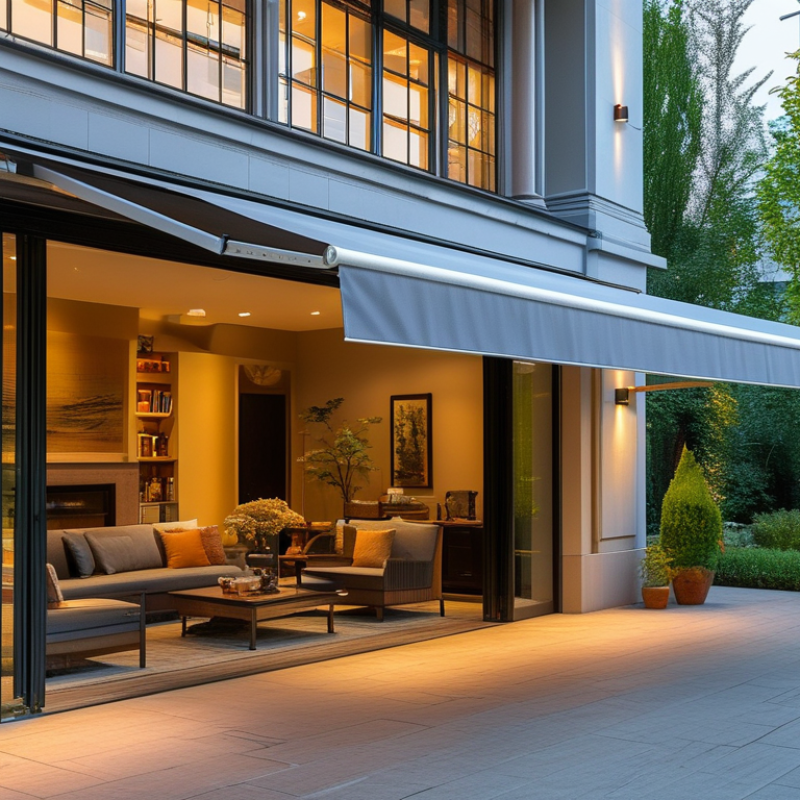
Sunshade awnings play a vital role in enhancing outdoor spaces. They provide protection from harmful UV rays while adding aesthetic appeal. Across global markets, their demand is increasing. Consumers seek solutions that balance function and style. This trend reflects a growing awareness of health and comfort in outdoor environments.
Tips: Always consider your local climate when selecting awnings. Different materials offer varying levels of insulation and UV protection. Additionally, think about the installation process. Some awnings require professional help, while others can be a DIY project. It’s essential to choose a solution that fits your needs—for both functionality and budget.
Sunshade awnings also contribute to energy efficiency. They can reduce the need for air conditioning by keeping interiors cool. This aspect is crucial for both residential and commercial properties. However, make sure to evaluate the maintenance requirements. A high-maintenance awning may not be suitable for everyone. Finding a balance between durability and care can enhance your investment long-term. Always ask questions and gather information before making a decision.
Key Features and Benefits of Different Types of Sunshade Awnings
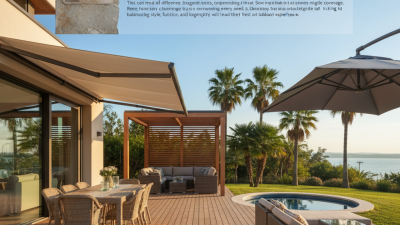
When selecting sunshade awnings, understanding their key features and benefits is essential. Different types cater to various needs. Retractable awnings offer flexibility. They can be extended or retracted based on weather conditions. This feature allows you to maximize space while providing shade when needed. The ease of use is another advantage. Most homeowners appreciate having control over their outdoor environment.
Fabric options play a crucial role in awning selection. Materials like polyester or acrylic are popular for their durability. They provide UV protection and resist fading over time. A good awning can withstand various weather conditions, ensuring longevity. Look for water-resistant finishes, especially if you live in rainy areas. Consider the aesthetic. A well-chosen design enhances your home's exterior appeal.
Tips: Measure your space carefully. This helps ensure the right fit. Check local regulations about awning installation. It’s vital to comply with any community guidelines. Explore color options that complement your home's style. Remember, a sunshade awning not only provides comfort but can also add value to your property.
2026 Best Sunshade Awning Solutions for Global Buyers
This chart illustrates the popularity index of various types of sunshade awnings available to global buyers in 2026. Higher values indicate a greater preference among consumers, highlighting trends in outdoor shading solutions.
Materials and Construction Techniques Used in Modern Sunshade Awnings
Modern sunshade awnings are designed with a focus on durability, aesthetics, and functionality. Various materials are used, including breathable fabrics that allow air circulation while blocking harmful UV rays. High-quality polyester blends have become popular. These textiles provide both strength and flexibility. Their resistance to fading makes them ideal for long-term outdoor use.
Construction techniques have also evolved. Many awnings now feature advanced mechanisms for opening and closing. Some models employ retractable systems that enable users to control sunlight exposure easily. Installation processes have become user-friendly as well. Many products come with detailed instructions, making them accessible for DIY enthusiasts. However, improper installation can lead to malfunctions or shorten the awning's lifespan.
While innovation continues, sustainability remains a challenge in this industry. Many consumers are concerned about the environmental impact of manufacturing such items. Although some companies are turning to recycled materials, common practices vary significantly. The balance between quality, cost, and eco-friendliness requires constant reflection and improvement. A buyer must weigh these factors carefully before making a choice.
Top Brands and Manufacturers of Sunshade Awnings for International Buyers
When choosing sunshade awning solutions, international buyers face diverse options. The industry is evolving, with a projected growth rate of 5.5% annually over the next five years. Manufacturers are focusing on sustainability. Many products now use eco-friendly materials, appealing to the environmentally conscious consumer.
Awnings play a crucial role in energy efficiency. They can reduce indoor temperatures by up to 15 degrees Fahrenheit. This can translate to significant savings on energy bills. Additionally, the rise in outdoor living spaces has spurred demand. More homeowners are using awnings for patios and decks. There's an increasing need for custom solutions that fit various architectural styles.
Buyers should consider installation challenges. Not every awning is easy to set up. Hiring professionals may add costs. However, poor installation can lead to product failure. It’s essential for buyers to weigh these factors carefully. Keeping warmth and light management in mind could lead to better choices. Awareness of warranty details and service options is also critical. So, a thoughtful approach can make a positive difference in the long run.
Trends and Innovations in Sunshade Awning Designs for 2026
As we look towards 2026, sunshade awnings will witness significant trends and innovations. Consumers increasingly prioritize sustainable materials and energy efficiency. Eco-friendly fabrics are becoming standard. They offer protection while reducing environmental impact. Manufacturers are focusing on recyclable options. This shift reflects a growing awareness of climate change.
Smart technology is another notable trend. Many awnings will include sensors that respond to weather conditions. These features enhance user comfort. Automated systems can extend or retract based on sunlight intensity. Such designs simplify outdoor living. While these advancements are impressive, user reliability remains a concern. Not all systems perform flawlessly in unpredictable weather.
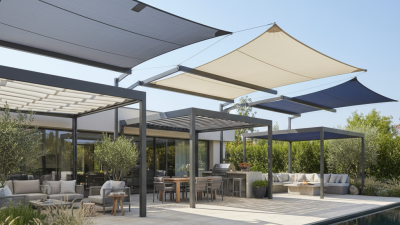
Customization will also play a vital role. Buyers will seek unique designs tailored to their spaces. Personalization options vary widely, from colors to functionality. However, achieving harmony between style and function can be challenging. Some designs may not stand the test of time. It’s essential for buyers to reflect on their needs carefully. Overall, the evolution of sunshade awnings offers exciting possibilities for 2026 while prompting deeper thoughts on usability and aesthetics.