2026 How to Choose the Right Tilt And Turn Window for Your Home?
When choosing the right Tilt-And-Turn Window for your home, expert advice is invaluable. Renowned architect John Smith emphasizes, “The right window can transform your living space.” Tilt-And-Turn Windows are known for their versatility, offering various opening positions. They provide excellent ventilation and unobstructed views.
However, many homeowners overlook essential factors. The frame material, style, and energy efficiency ratings all play crucial roles. A miscalculation can lead to costly regrets later. Think about your local climate and architectural style when making a decision.
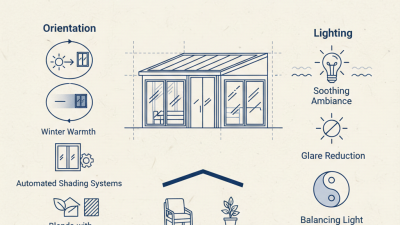
Consider how light enters your home. A well-placed Tilt-And-Turn Window can brighten dark areas and enhance your mood. Reflect on how you will use the space. Will you prioritize aesthetics or functionality? Taking time to evaluate these points can lead to better choices. Remember, the right window can elevate not just your home but also your lifestyle.
Understanding Tilt and Turn Windows: A Comprehensive Overview
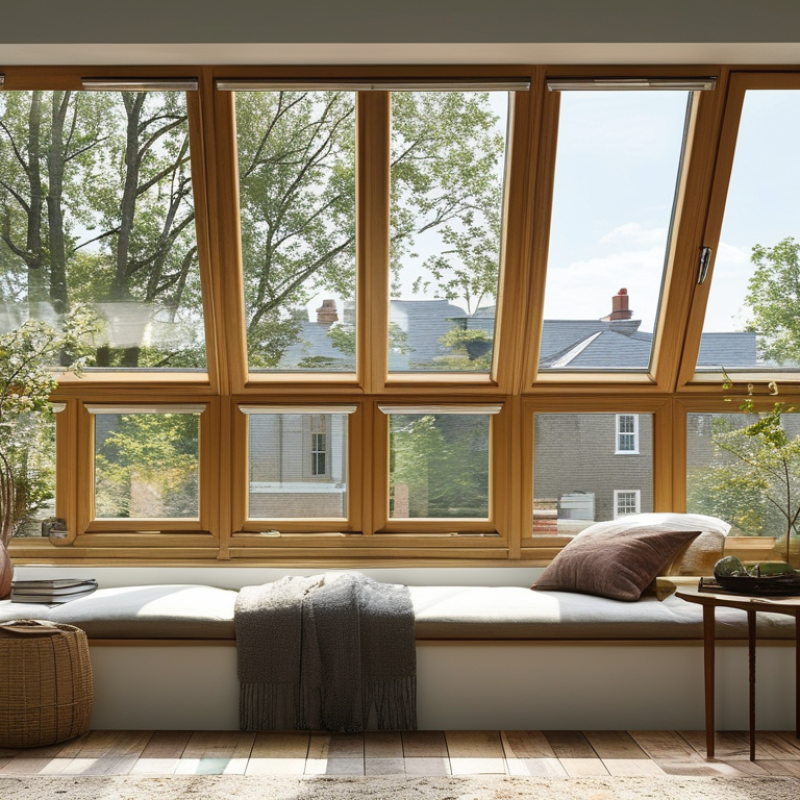
Tilt and turn windows offer flexibility and functionality. These windows can swing inwards like traditional casements or tilt at the top for ventilation. This unique design is ideal for various home styles. According to a recent industry report, 38% of homeowners prefer tilt and turn windows for their energy efficiency and ease of use.
Understanding the mechanics is vital. Tilt and turn windows operate via a multi-point locking system. The system enhances security, making it a popular choice for many homeowners. Studies show that windows account for about 25-30% of residential heat loss. Properly sealed tilt and turn windows reduce energy loss significantly, leading to lower heating bills.
When considering installation, carefully check frame material and glass type. Popular frame options include uPVC and aluminum. uPVC tends to offer better insulation but may lack durability in extreme weather. Homeowners often overlook the importance of proper installation. A poorly installed window can lead to drafts and moisture issues. Ultimately, your choice should reflect both practicality and your home's aesthetic.
Key Benefits of Tilt and Turn Windows for Homeowners
Tilt and turn windows are gaining popularity among homeowners. They offer numerous benefits beyond aesthetics. One significant advantage is versatility. You can tilt these windows for ventilation or turn them fully open for easy cleaning. This flexibility makes them ideal for various spaces.
When selecting tilt and turn windows, consider the frame material. Options include uPVC, aluminum, or wood. Each material offers distinct benefits. For instance, aluminum is durable but may conduct heat. Wood provides natural insulation but requires maintenance. Choose based on your climate and aesthetic goals.
Tips for installation are crucial for optimal performance. Ensure the windows fit correctly to prevent air leaks. Proper sealing enhances energy efficiency. Regular maintenance, like lubricating hinges, ensures they operate smoothly over time. Reflect on your choices, as the style and installation impact long-term satisfaction. Choosing the right tilt and turn windows can significantly enhance your home's comfort and efficiency.
Factors to Consider When Choosing Tilt and Turn Windows
When selecting the right tilt and turn windows for your home, several factors come into play. Begin by assessing the style of your home. Modern homes often benefit from sleek lines, while traditional ones may call for a more classic look. The material used in these windows is also crucial. Options like uPVC and aluminum offer durability but differ in aesthetics and insulation.
Consider the energy efficiency of the windows. Look for double or triple glazing options to reduce heat loss. Good thermal performance can lower energy bills significantly. Discuss with experts about the U-value, which indicates how well the window insulates.
When thinking about functionality, ponder your daily lifestyle. Tilt and turn windows provide versatility but may require more maintenance than fixed windows. Regular cleaning is essential, especially in hard-to-reach areas.
Tips: Always check local building regulations. They can affect your choice of windows. Invest time into understanding the long-term implications of your selection. It’s better to make an informed decision than to rush into one.
Different Materials for Tilt and Turn Windows: Pros and Cons
When selecting tilt and turn windows, the choice of material is crucial. Each material has distinct advantages and disadvantages that impact performance and aesthetics. Common options include uPVC, aluminum, and wood. A recent report by the Federation of Master Builders indicates that 65% of homeowners prefer uPVC for its energy efficiency. These windows can achieve insulating values as low as 0.8 W/m²K, making them ideal for reducing energy costs.
Wood exudes elegance and warmth. However, it demands high maintenance, which may deter some homeowners. Approximately 30% of buyers still opt for wood due to its natural appeal. Consider that untreated wood can warp or rot over time. Regular maintenance is essential to preserve its beauty and functionality. Aluminum offers durability and a modern look. It withstands weather elements but can lose heat more quickly than its counterparts. According to a recent industry analysis, around 25% of consumers choose aluminum for its sleek design.
Your choice should align with your lifestyle and long-term goals. Weigh the pros and cons carefully. Each material has its merits, but the ideal option matches your needs and values. Examine your preferences honestly to make a sustainable decision.
2026 How to Choose the Right Tilt And Turn Window for Your Home?
This chart shows the pros and cons of different materials used for tilt and turn windows, helping homeowners make informed choices.
Installation and Maintenance Tips for Your Tilt and Turn Windows
Installing and maintaining tilt and turn windows can be straightforward if you follow some practical tips. Start by ensuring a proper fit within the wall frame. Measure carefully before installation to avoid gaps that may let air or water in. Choose quality sealing materials to enhance insulation and protect against moisture. Installing these windows often requires specific tools, such as a level and caulking gun, to ensure an airtight seal.
Regular maintenance is crucial to keep your tilt and turn windows functioning effectively. Clean the mechanisms periodically to prevent dust accumulation that can hinder operation. Lubricating the hinges and locking systems helps maintain smooth movement. Check gaskets for wear; replacing them can significantly enhance energy efficiency. Simple adjustments can improve the window's performance over time, but remember that excessive force can cause damage, so approach every adjustment with care.
Consider the weather conditions in your area. Humidity can affect the wood elements of your windows, leading to warping. Monitor for any signs of corrosion if metal frames are used. Engaging a professional for comprehensive inspections can ensure longevity, but it’s essential to feel empowered to undertake minor repairs yourself. A little attention can go a long way in maintaining the beauty and function of your tilt and turn windows.