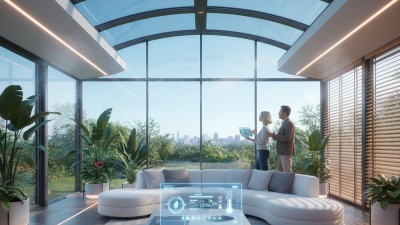
Creating a Smart Sunroom can be a game changer for homeowners. According to renowned architect and designer Linda Harrison, "A Smart Sunroom integrates both comfort and cutting-edge technology." This fusion of innovation and design offers endless possibilities for enhancing daily living spaces.
Today's buyers seek more than traditional sunrooms. They want technologically advanced spaces that improve energy efficiency and provide a bright, welcoming environment. Smart Sunrooms utilize energy-efficient glass, automated ventilation, and smart climate control systems. These features not only elevate comfort but also decrease energy costs.
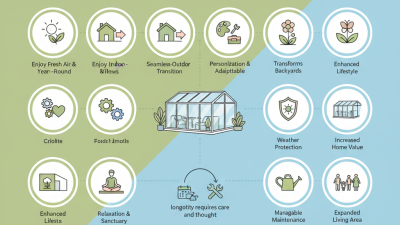
However, potential buyers should reflect on their unique needs. A Smart Sunroom must align with lifestyle and climate. Some may prioritize aesthetics over technology, while others might need multifunctional spaces. Exploring these aspects is crucial to ensure satisfaction and usability in the long run. The right choice can transform a home, but the journey requires careful thought and planning.
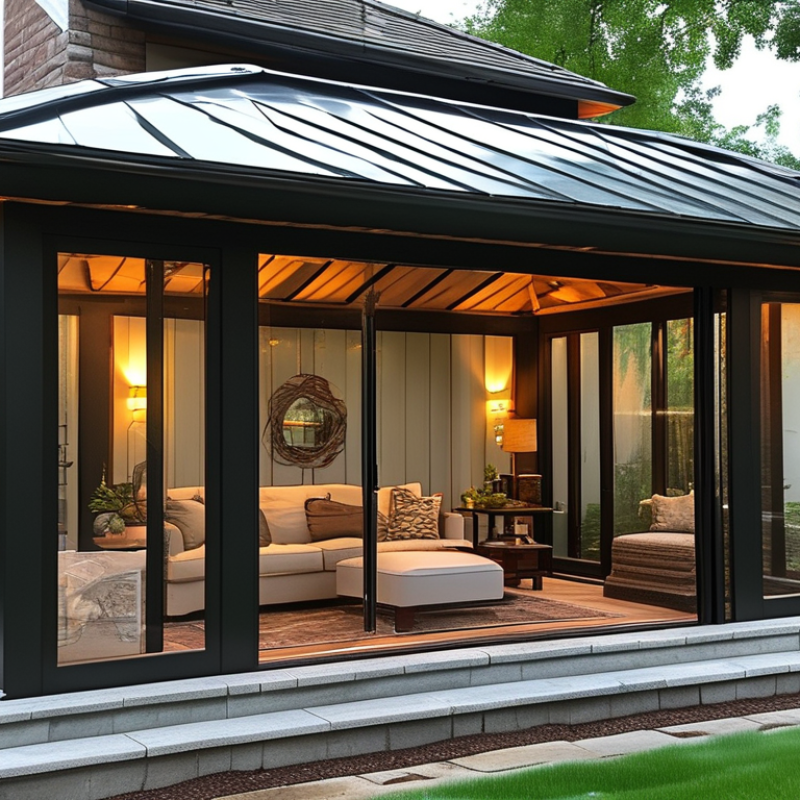
Innovative sunroom designs cater to modern living needs while enhancing your home's aesthetic. A recent report from the National Association of Home Builders reveals that 45% of homeowners seek natural light in their living spaces. Sunrooms provide an ideal solution, blending indoor comfort with outdoor beauty.
Consider designs that prioritize energy efficiency. For instance, using triple-glazed windows can reduce heat loss by 30%. Incorporating smart technologies, like automated blinds and temperature controls, allows for comfortable living. Many buyers are looking for multifunctional spaces. A sunroom can double as a workspace or a cozy reading nook.
While functionality is key, aesthetics matter too. Many homeowners prefer open layouts with minimalistic décor. However, it’s essential to balance style with practicality. Oversized furniture may look inviting but can clutter smaller spaces. Be mindful of your choices. Sunrooms are a significant investment, often recouping 70% of costs at resale. Thoughtful design can transform the space and add value.
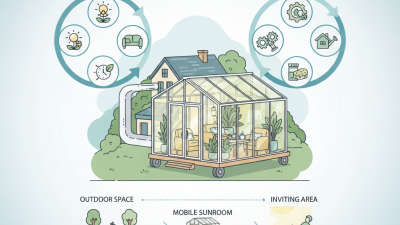
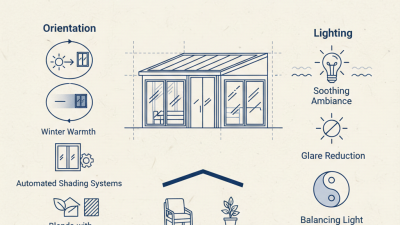
Designing a sunroom is an excellent way to embrace natural light while enhancing your living space. Sunrooms can become a fantastic retreat with the right ideas. Consider the orientation of your sunroom. South-facing rooms receive the most sunlight throughout the day. This is ideal for basking in light during winter months. However, be mindful of overheating in summer.
Incorporating large windows can maximize your sunroom’s natural light. Floor-to-ceiling windows create a seamless connection to the outdoor world. Use energy-efficient glass to maintain a comfortable temperature. Skylights are another option, allowing light to filter in from above.
Tips: Choose lighter colors for furniture and walls. These hues reflect sunlight, making the room feel brighter. Incorporate mirrors to amplify light waves. Position them strategically to enhance the luminous effect. Finally, consider plants that thrive in sunny spaces. They not only add color but also purify the air.
While it’s essential to maximize light, don’t forget about comfort. Oversized furniture may absorb space and overshadow the view. Keep it simple to maintain an airy feeling. Balance is vital; too much light can create glare and heat. Thoughtful planning will result in a sunroom that shines year-round.
| Idea | Description | Benefits | Considerations |
|---|---|---|---|
| Multi-Purpose Furniture | Use furniture that serves multiple functions, such as storage ottomans or convertible sofas. | Maximizes space and versatility. | Ensure furniture complements your sunroom theme. |
| Large Windows | Incorporate large windows to allow maximum natural light. | Enhances brightness and views. | Consider energy-efficient glazing for insulation. |
| Plant Life | Include various indoor plants to enhance aesthetics and air quality. | Creates a lively atmosphere and improves air purity. | Choose low-maintenance plants based on sunlight. |
| Skylights | Install skylights to bring in additional sunlight from above. | Increases natural light and improves mood. | Proper sealing and insulation are crucial to prevent leaks. |
| Outdoor Connectivity | Create an open flow between your sunroom and patio or garden. | Enhances outdoor living experience. | Consider sliding or folding doors for better access. |
| Smart Lighting | Install smart lighting that adjusts based on the time of day. | Maintains optimal lighting and energy efficiency. | Ensure compatibility with home automation systems. |
| Color Palette | Use light and bright colors to enhance the sense of space. | Creates an airy and welcoming environment. | Consider the overall theme of your home. |
| Energy-Efficient Features | Include energy-efficient windows and insulation. | Reduces energy costs and environmental impact. | Initial cost may be higher but offers long-term savings. |
| Seasonal Decor | Change decor with the seasons for a fresh look. | Keeps the space lively and engaging. | Requires regular updates and changes. |
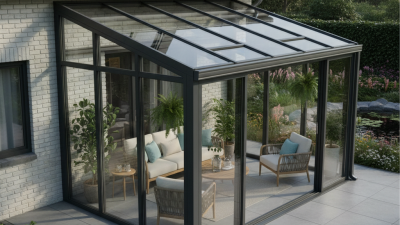
When designing a sunroom, choosing the right materials is crucial. This decision affects both durability and aesthetics. High-quality glass is a popular option for sunroom windows. It not only provides excellent insulation but also allows natural light to flood the space. However, it can be costly. Homeowners may want to consider tempered or low-E glass for better energy efficiency.
Another important material to consider is the framing. Aluminum frames are lightweight and resistant to corrosion. Wood frames, while beautiful, require regular maintenance. Composite materials offer a blend of both. They are durable and mimic the appearance of wood without the upkeep.
Flooring choices also impact the sunroom's functionality. Tile or stone is practical and can withstand temperature fluctuations. However, they can feel cold in winter. Alternatives like vinyl or laminate provide warmth but might not last as long. Balancing aesthetics with practical needs is essential. Reflecting on these choices will lead to a more satisfying sunroom experience.
Creating a smart sunroom can transform your home into a connected sanctuary. Integrating smart technology enhances comfort and usability. Automated windows allow for easy airflow control. Smart shades adjust automatically, optimizing light while ensuring privacy. This can be especially helpful in maintaining an ideal temperature year-round.
Lighting plays a crucial role in a sunroom. Smart LED lights can change color and intensity with the time of day. Pairing them with motion sensors can ensure the room is well-lit when you enter but conserve energy when it’s empty. This combination creates a welcoming atmosphere without wasting resources.
Consider adding a smart thermostat. It monitors the weather and adjusts the temperature accordingly. This technology can be both efficient and convenient. Regularly assess your energy usage; sometimes, less is more. Reflecting on your needs can lead to more satisfying choices in design and function, making your sunroom a true retreat.
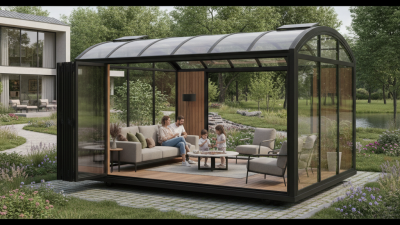
Creating a multi-functional sunroom requires careful planning and creativity. Consider a layout that maximizes natural light while offering a cozy atmosphere. Large windows can open the space, connecting indoor and outdoor elements. Use versatile furnishings, such as a convertible sofa or modular seating, to adapt the space for different activities. A sunroom can serve as a relaxation area, a reading nook, or even a productive workspace.
Incorporating greenery adds to the space’s functionality. Indoor plants not only enhance aesthetics but also purify the air. Think about using vertical gardens or potted herbs on shelves for an organic feel. Allowing sunlight to nurture these plants can create a peaceful environment. However, it’s essential to choose plants that thrive in bright, indirect light to maintain the balance.
Lighting is vital in setting the mood. Combining natural light with adjustable artificial lighting can transform the space. Use dimmers to create different ambiances throughout the day. While bright lighting is perfect for reading, softer tones work better for evening relaxation. A well-planned sunroom serves as a versatile space but requires ongoing adjustments to optimize its use. Regularly assess how the room meets your needs and be open to making changes as your lifestyle evolves.