Leave Your Message
Choosing a Sliding Door manufacturer is not just a price comparison. It is a decision about fit, weather protection, service, and long-term performance. A wide glass panel can brighten a room, yet poor drainage or weak hardware may create trouble after installation. Small details matter.
Building-science expert Joseph Lstiburek offers a useful reminder: “A building is a system.” A Sliding Door must work with the wall, sill, flashing, and local climate—not alone. Buyers should examine frame materials, glass options, thermal performance, test data, warranty terms, and replacement-part access. Ask how products are tested, and request clear documentation. Look closely.
This guide introduces ten manufacturers for global buyers, with attention to product range, market reach, and practical purchasing questions. A supplier’s export experience can help, but it does not guarantee a smooth project. Confirm lead times, packaging, technical support, and who handles installation guidance. Compare like with like. A low quotation may exclude essential hardware or delivery details; that is easy to miss. Specifications also vary by market, so buyers should confirm that stated performance suits their project’s conditions. The ranking is a starting point, not a substitute for checking each supplier. Some details may change over time. That deserves a second look.
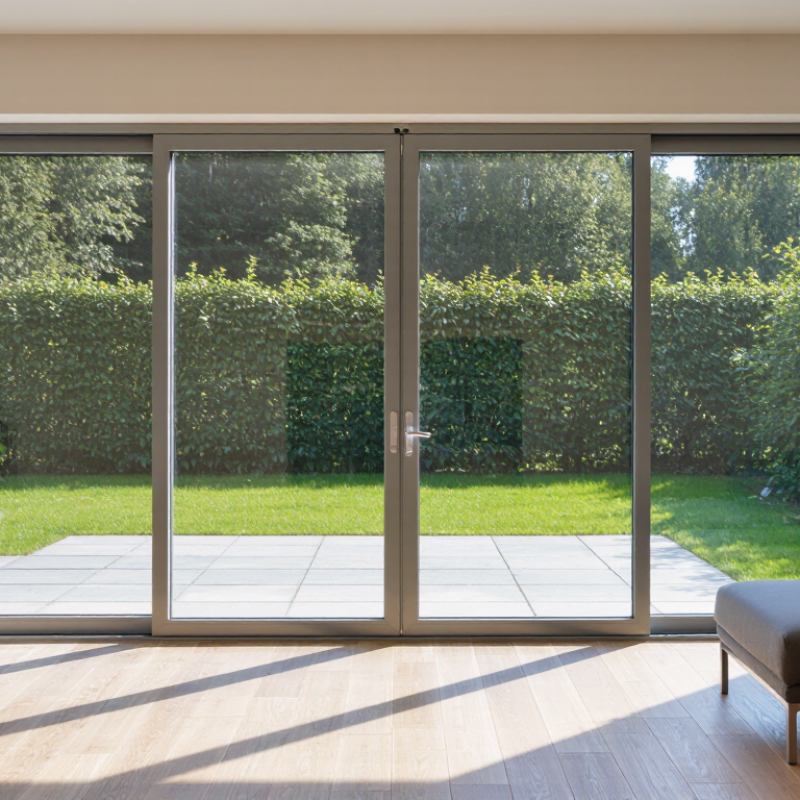
Sliding door systems differ less by appearance than by how they move, seal, and serve a space. A two-panel slider suits a compact balcony because one panel stays fixed and needs no swing clearance. Multi-track systems open wider for patios, but extra tracks collect grit and require regular cleaning. Lift-and-slide designs raise the panel before movement, helping support heavier glazing and tighter seals. They can feel excessive in a small room.
Climate matters. The U.S. Department of Energy’s Energy Saver guidance estimates that windows account for about 25–30% of residential heating and cooling energy use. That figure covers windows broadly, not sliding doors alone, but it shows why glass area, frame material, and weather seals deserve attention. A large glazed opening may brighten a room while increasing heat loss or solar gain. The right balance depends on orientation and local conditions.
Tips: Match the opening to daily use. Check the sill height, drainage path, screen arrangement, and replacement access before ordering. Ask for tested air-leakage and water-resistance results, not just attractive renderings. One detail is easy to overlook: a low threshold improves access, but poor drainage can invite water trouble. Don’t assume one system fits every project.
| No. | Supplier Specialization | Typical System Design | Common Materials | Typical Applications | Key Selection Considerations |
|---|---|---|---|---|---|
| 1 | Residential patio-door systems | Multi-panel sliding or fixed-and-sliding glazed doors on a bottom track | Aluminum, uPVC, timber, or composite frames; insulated glass units | Homes, apartments, balconies, and garden access | Check opening size, glazing and thermal requirements, drainage, weather seals, and available screen options. |
| 2 | Lift-and-slide systems | A handle raises the panels slightly for movement and lowers them onto seals when closed | Usually aluminum, timber, or composite frames with glazed panels | Large residential openings and high-end building projects | Suitable for heavier panels; confirm panel weight limits, hardware capacity, threshold details, and installation tolerances. |
| 3 | Slim-frame architectural systems | Large glazed panels with narrow visible frame sections; configurations vary by manufacturer | Primarily aluminum frames with safety or insulated glazing as specified | Modern homes, hospitality spaces, and commercial facades | Compare structural design, glass specification, wind-load requirements, drainage, and thermal performance for the project location. |
| 4 | Automatic entrance systems | Sensor-activated sliding leaves with an operator, safety sensors, and access controls | Aluminum framing, glass, and electrically operated hardware | Retail, offices, airports, and public buildings | Review traffic levels, clear opening width, accessibility needs, emergency operation, safety provisions, and local code requirements. |
| 5 | Telescopic automatic systems | Multiple leaves move in sequence to create a wider opening within a limited side space | Typically glazed aluminum door leaves with powered operators | Busy entrances with restricted wall space, such as stores and transport facilities | Confirm the required clear opening, stacking space, traffic capacity, maintenance access, and compatible safety equipment. |
| 6 | Hermetic healthcare systems | Powered sliding doors designed to close tightly against perimeter seals | Metal-faced or glazed leaves, sealed frames, and specialized operating hardware | Operating rooms, clean areas, laboratories, and clinical spaces | Specify the required pressure-control, cleanability, access-control, and monitoring features with the project design team. |
| 7 | Fire-rated sliding-door systems | Sliding door assemblies tested and approved for a defined fire-resistance classification | Materials and hardware depend on the tested assembly and applicable certification | Compartmentation and protected openings in commercial or industrial buildings | Use a complete, certified assembly; verify the local code, rating, closing mechanism, installation, and inspection requirements. |
| 8 | Industrial high-speed systems | Rapid-opening powered doors, often with flexible curtains or rigid panels and protective controls | Reinforced fabric, coated materials, or rigid metal panels, depending on the system | Warehouses, production areas, and logistics facilities | Match the system to opening frequency, impact exposure, operating environment, safety devices, and service access. |
| 9 | Interior architectural sliding systems | Top-hung or track-mounted panels; some designs use concealed tracks or soft-close hardware | Timber, glass, aluminum, or engineered panels | Homes, offices, hotels, and interior space division | Check wall structure, track support, panel weight, privacy needs, acoustic expectations, and floor-guide requirements. |
| 10 | Cold-room and freezer systems | Insulated sliding leaves with seals and hardware selected for low-temperature service | Insulated metal-faced panels, thermal-break components, and cold-room hardware | Food processing, cold storage, and temperature-controlled logistics | Confirm operating temperature, condensation and icing controls, seal design, opening frequency, and emergency-release provisions. |