Best Sliding Door Options for Your Home or Office?
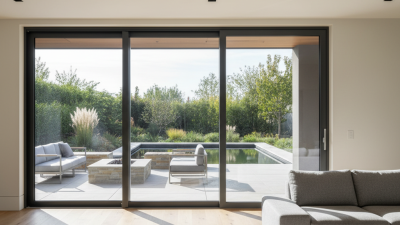
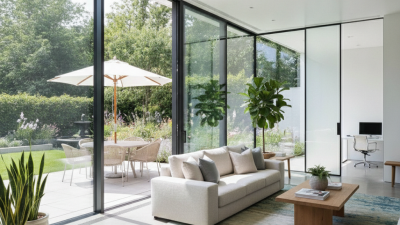
Sliding doors have become a popular choice for both home and office spaces. According to the National Association of Home Builders, sliding doors can enhance a room’s functionality and aesthetics. In fact, 30% of homes built in 2022 included glass sliding doors as a standard feature. These doors offer a seamless transition between indoor and outdoor living, maximizing natural light.
However, choosing the right sliding door requires careful consideration. Different materials, such as wood, vinyl, and aluminum, offer varying durability and insulation levels. Research shows that energy-efficient sliding doors can reduce heating and cooling costs by approximately 15%. This figure highlights the importance of selecting quality products while also considering design and style for your environment.
Ultimately, while sliding doors provide undeniable benefits, not all options suit every home or office layout. Evaluating your space, understanding your needs, and consulting experts can greatly influence your decision. A poorly chosen door can impact aesthetics and functionality, leaving homeowners dissatisfied. It’s essential to weigh these factors to make an informed choice that complements your space.
Types of Sliding Doors: A Comprehensive Overview
Sliding doors offer versatility and aesthetic appeal for homes and offices. Various types cater to different needs and preferences. The most popular options include
pocket doors,
bi-fold doors, and
traditional sliding doors.
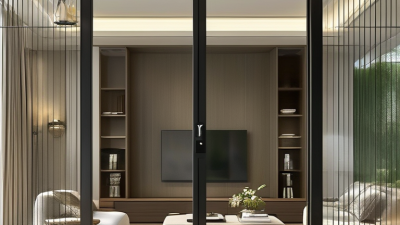
According to industry data, pocket doors save space effectively, making them ideal for smaller rooms. They slide into the wall, creating a seamless look while maximizing usable space.
Bi-fold doors are another compelling choice. These are perfect for connecting interior spaces with patios or gardens. They can open up an entire wall, promoting indoor-outdoor living. A report from the American Institute of Architects states that interest in bi-fold designs has increased by 25% in the last five years. However, some users find them mechanically complex and occasionally prone to misalignment.
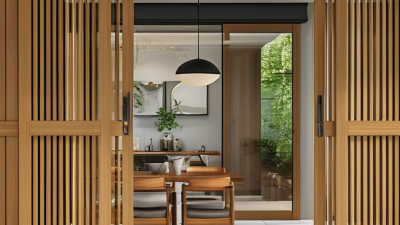
Traditional sliding doors remain a classic option. They’re easy to operate and come in various materials, including wood and glass. However, maintenance is crucial to avoid track issues. Homeowners often overlook this, leading to frustrating operational challenges. Keeping the tracks clean can enhance performance and longevity. Each type of sliding door has strengths and weaknesses, and careful consideration is key to choosing the right one for your space.
Key Materials Used in Sliding Door Construction
Sliding doors offer style and functionality in homes and offices. One of the most important aspects of their design is the material used in their construction. Different materials affect durability, maintenance, and aesthetics.
Wood is a classic choice for sliding doors. It adds warmth and elegance to any space. However, wood requires regular maintenance to prevent warping and damage from humidity. Additionally, it may not be the best option for areas with extreme weather conditions. Alternatively, aluminum offers a sleek, modern look. It is lightweight and resistant to corrosion. However, aluminum can conduct heat and cold, potentially impacting energy efficiency.
For those seeking a balance, vinyl or fiberglass can be great options. These materials are energy-efficient and require minimal maintenance. They come in various styles, mimicking the look of wood or metal. Keep in mind that while they are practical, they may lack the natural charm of wood. Before deciding, consider your specific needs and preferences. Each material has pros and cons. It's important to reflect on what works best for your space.
Benefits of Sliding Doors for Home and Office Spaces
Sliding doors provide a unique blend of style and functionality for home and office spaces. According to the American Institute of Architects, sliding doors can enhance natural light by up to 30%. This influx of light creates a more inviting atmosphere, essential for both residential and commercial environments. With improved ambiance, employees may feel more energized and productive.
The space-saving design is one of the sliding door's primary benefits. Unlike traditional doors, sliding doors do not require additional space to swing open. This is particularly significant in small rooms or tight office layouts where every inch counts. The National Association of Realtors reports that homes with modern sliding doors also tend to sell faster. This appeal to potential buyers showcases their popularity and practicality.
However, installing sliding doors may pose some challenges. The tracks can gather dirt over time, leading to potential maintenance issues. Users may also find the locking mechanisms can be less secure than traditional doors. It's important to consider these factors while weighing the benefits. Overall, the appeal of sliding doors continues to grow, promising elegance and utility in any setting.
Benefits of Sliding Doors for Home and Office Spaces
This chart illustrates the various benefits of installing sliding doors in both home and office environments. The data showcases the percentage of users who appreciate each benefit.
Factors to Consider When Choosing Sliding Doors
When choosing sliding doors, several factors demand attention. The type of material is crucial. According to a report by the National Association of Home Builders, 60% of homeowners prefer vinyl frames for their energy efficiency. On the other hand, aluminum offers a modern aesthetic and durability. It's essential to assess which material aligns best with your space's design and insulation needs.
Another consideration is the door's size and configuration. Larger doors create a stunning visual impact. Data from the Home Design Institute shows that 70% of homeowners report enhanced natural light with expansive sliding doors. However, adequate space for operation should also be examined. If your layout is limited, compact sliding systems may better suit your requirements.
Security features are equally important. Basic locking systems may not suffice for high-traffic areas. A survey indicated that over 50% of homeowners upgrade locking mechanisms for enhanced safety. Additionally, glass thickness is a significant detail; thicker glass often provides better insulation and soundproofing. Evaluating these aspects thoroughly can lead to a satisfying decision, ensuring your sliding doors meet both functional and aesthetic expectations.
Maintenance Tips for Keeping Sliding Doors Functional and Attractive
Sliding doors can enhance the aesthetics of any home or office. However, keeping them functional is key to their appeal. Regular maintenance is essential to ensure smooth operation and long-lasting beauty.
Start by routinely cleaning the tracks. Dust and debris can hinder movement. Use a vacuum with a brush attachment or a damp cloth. Regularly inspect the rollers. If they show signs of wear, consider replacing them. This proactive approach prevents bigger problems later.
Lubricate the tracks and rollers to maintain smooth gliding. Use a silicone-based lubricant for effective results. Avoid using oil-based products, as they attract more dirt. Check for misalignment regularly. If the door isn't closing properly, adjustments may be needed.
Pay attention to the weatherstripping as well. Frayed or damaged strips can cause drafts and water leaks. Replace them promptly for improved energy efficiency. Neglect can lead to higher energy costs and discomfort. Keeping sliding doors in top shape is an ongoing task, yet it brings significant rewards.