10 Essential Tips for Choosing the Perfect Sliding Door for Your Home?
Choosing the right sliding door for your home is crucial. It impacts aesthetics, functionality, and energy efficiency. With various styles and materials available, making a decision can feel overwhelming. This guide offers insights to help you navigate the selection process.
Sliding doors enhance space and natural light. They can connect indoor and outdoor areas seamlessly. Understanding your needs and preferences is essential. Factors like size, material, and design play significant roles. Consider the architectural style of your home. A mismatched sliding door can disrupt the overall look.
Pay attention to quality and functionality. Cheap options may save money but often lack durability. Opt for reliable brands known for their craftsmanship. Remember, a sliding door should not only look good but also serve its purpose efficiently. The right choice can elevate your living space and provide lasting satisfaction.
Understanding Different Types of Sliding Doors for Your Home
When selecting the perfect sliding door, understanding the different types available is crucial. There are primarily three styles: pocket, bypass, and bi-fold. Pocket doors slide into the wall, saving space. Bypass doors slide past one another, ideal for larger openings. Bi-fold doors fold in on themselves, offering a wide opening to blend indoor and outdoor spaces.
According to a 2022 industry report from the American Architectural Manufacturers Association, nearly 45% of homeowners prefer sliding doors for their versatility and aesthetics. However, not all sliding doors are created equal. Factors such as materials and insulation must be considered. For example, wood offers a classic look, while aluminum and vinyl are more durable and energy-efficient. Choosing the wrong type can lead to functionality issues, like sticking or poor sealing.
Additionally, a study conducted by the National Association of Home Builders revealed that up to 30% of sliding doors could experience performance issues within five years if not installed properly. It's essential to review professional installation guidelines to avoid these pitfalls. This reflects the need for careful selection, focusing not just on appearance, but on long-term efficiency and ease of use.
Factors to Consider for Sliding Door Materials and Durability
When selecting a sliding door, the materials used significantly impact durability. Most sliding doors are made of wood, vinyl, or aluminum. Wood offers natural beauty but requires regular maintenance. It can warp and rot over time, especially in humid climates. Reports indicate that around 30% of homeowners face issues with wooden sliding doors within five years of installation.
Vinyl is another popular option. It is resistant to warping and fading. This material is ideal for energy efficiency. According to the American Institute of Architects, vinyl doors can reduce energy loss by up to 30%. However, they may not provide the same aesthetic value as wood. Some homeowners seek a balance, combining wood’s beauty with vinyl’s insulation.
Aluminum is known for its strength and longevity. It can withstand harsh weather conditions without compromising integrity. Studies show aluminum doors typically last 20 years or more with proper care. Yet, they can dent and are less energy-efficient than vinyl. Consider these factors carefully. Each material has pros and cons, and your choice should reflect both style and functionality.
10 Essential Tips for Choosing the Perfect Sliding Door for Your Home
| Tip |
Material |
Durability |
Maintenance |
Cost Estimate |
| Consider Energy Efficiency |
Vinyl |
High |
Low |
$1200 - $1800 |
| Choose the Right Size |
Aluminum |
Medium |
Medium |
$1000 - $1500 |
| Prioritize Security Features |
Fiberglass |
High |
Low |
$2000 - $3000 |
| Select Appropriate Glass Type |
Tempered Glass |
Very High |
Very Low |
$1500 - $2000 |
| Reflect on Aesthetic Appeal |
Wood |
Medium |
High |
$1800 - $2500 |
| Evaluate Weather Resistance |
Composite |
High |
Medium |
$2200 - $2800 |
| Look for Customization Options |
Aluminum-Clad Wood |
Very High |
Low |
$3000+ |
| Consider Sliding Mechanism Quality |
Vinyl |
High |
Low |
$1200 - $1800 |
| Understand Installation Requirements |
Fiberglass |
High |
Low |
$2000 - $3000 |
Evaluating Energy Efficiency Ratings for Sliding Doors
When choosing a sliding door, energy efficiency should be a key consideration. Sliding doors can significantly impact your home’s energy use. Look for doors with high energy efficiency ratings. These ratings indicate how well a door can insulate your home. A well-insulated door reduces heating and cooling costs.
Selecting the right materials is essential. For instance, vinyl and fiberglass often provide better insulation than aluminum. Low-E glass is another option. It reflects heat while allowing natural light into your home. Be prepared to balance aesthetics and efficiency. A beautiful glass door may not perform as well as one with a solid frame. Always check the specifics.
Consider other factors, like installation. Poorly installed doors can lead to drafts and energy loss. Take time to evaluate your options. Consult with professionals. They can offer insight into what works best in your climate. Energy efficiency is not just about ratings. It's about creating a comfortable, sustainable home. Make informed decisions to protect your investment and the environment.
Designing for Space: How to Measure for Your Sliding Door
When selecting a sliding door, accurate measurement is crucial. A poorly measured door can lead to gaps and inefficiency. According to the American Architectural Manufacturers Association, 40% of homeowners experience drafts due to improper installation. Start by measuring the height and width of the opening. Make sure to measure at multiple points, as walls may not be perfectly straight.
A good tip is to consider the door type that suits your space. Whether you prefer a pocket door or a bypass system, understanding your layout is essential. For example, standard sliding doors require at least 5 inches of wall space on either side to accommodate the track system effectively. This ensures smooth operation and prevents wear over time.
Another important aspect is the door's thickness and material. The U.S. Department of Energy notes that a well-insulated door can improve energy efficiency by up to 20%. Less than 5% of homeowners consider this aspect, leading to potential energy losses. When in doubt, seek advice from professionals to ensure you're making the right choice for your home.
Aesthetic Choices: Styles and Finishes to Enhance Your Decor
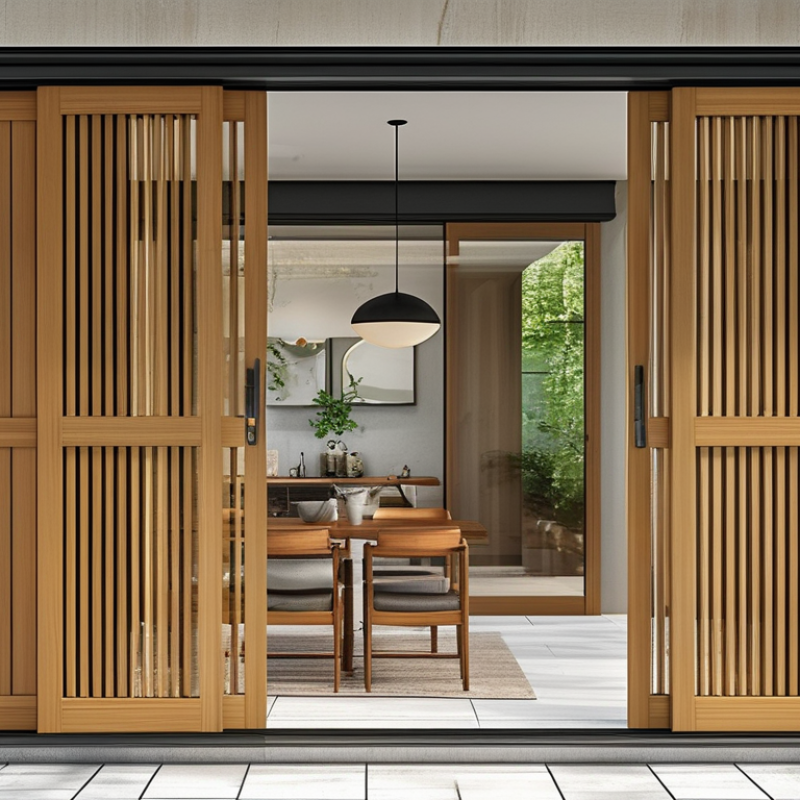
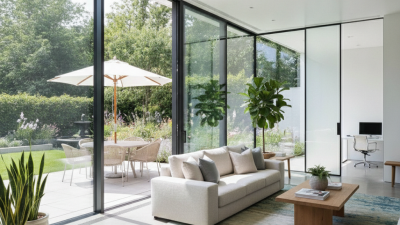
When selecting a sliding door, aesthetics play a crucial role. The style and finish of your door can either enhance or detract from your home’s decor. Consider modern, minimalist designs if your space is sleek and contemporary. On the other hand, ornate styles can complement traditional interiors beautifully. Each style tells a story about your home's character.
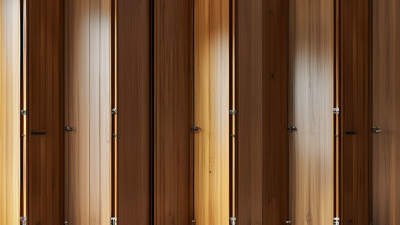
Materials matter too. Wood offers warmth and texture, while glass brings lightness and openness. Think about how each finish adjusts the mood of your space. Matte finishes often create a modern, sophisticated look. Glossy surfaces might not always fit all designs, as they can feel cold or impersonal. It’s essential to visualize how the door interacts with other elements of your decor.
Color choice is another key aspect. Neutral tones often work well with various palettes. Bold colors can make a statement, but they need careful consideration. A vibrant door could overwhelm a subtly designed room. Reflect on how these choices align with your overall vision. Your sliding door can become a focal point or a subtle enhancement—ensuring it feels right should be your goal.
Sliding Door Styles Popularity in Modern Homes