2026 Best Sliding Door Styles for Your Home Design Needs?
When it comes to enhancing your home's aesthetic appeal, sliding doors are often an overlooked feature. However, these versatile installations can serve both functional and stylistic purposes. You may wonder how to choose the right sliding door that aligns with your home design needs. Options abound, ranging from traditional styles to modern glass panels that create an airy feel.
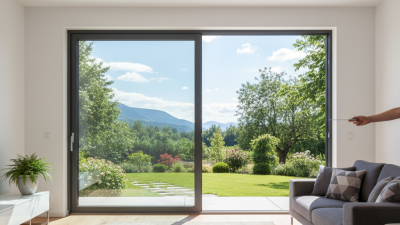
In the 2026 design landscape, sliding doors promise not just practicality but also a statement of elegance. Picture a beautifully designed patio door that seamlessly connects indoor and outdoor spaces. Or perhaps you envision a pocket door that saves precious square footage while delivering style. Each choice can dramatically affect the overall ambiance of your living area.
As you explore various styles, consider your unique taste and the architectural elements of your home. Some options may appear attractive but be less practical for your space. Reflect on your decision before making a choice that may require adjustments later on. Ultimately, the right sliding door will enhance your home while offering comfort and charm.
Top Sliding Door Styles for Contemporary Home Designs
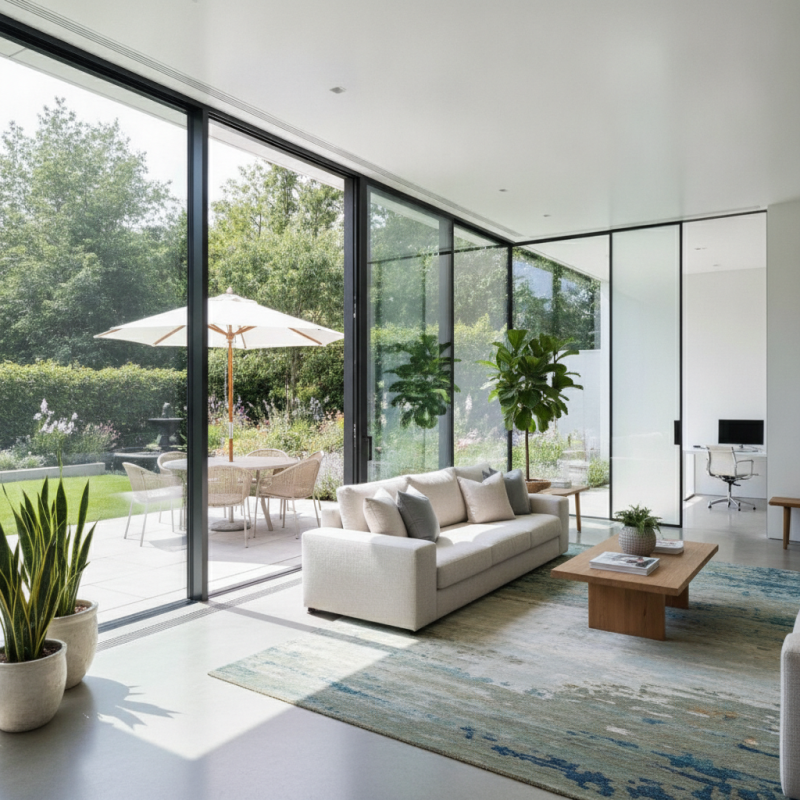
Sliding doors are an excellent choice for contemporary home designs. Their aesthetic appeal and functional benefits make them popular among homeowners today. According to a report by the American Institute of Architects, over 50% of new home designs incorporate large sliding doors. This trend reflects a growing preference for openness and natural light.
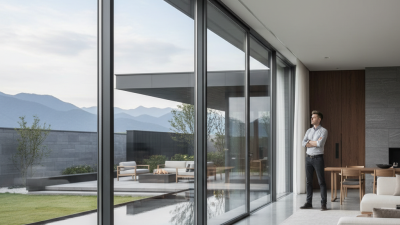
Many sliding door styles suit modern aesthetics. For instance, the frameless glass sliding door adds a sleek touch and maximizes views. These doors enhance space by merging indoor and outdoor areas seamlessly. On the other hand, barn-style sliding doors offer a rustic charm, appealing to those who prefer a warmer feel. Some homeowners are even blending materials, such as wood and metal, to create unique designs.
However, not all sliding doors are equal. Quality can vary significantly. Homeowners should prioritize durable materials and reliable hardware, ensuring longevity. Besides, installation requires careful consideration. Many opt for professional help to avoid future issues, like misalignment or poor insulation. Balancing style with functionality is crucial. A well-chosen sliding door can elevate a home design and enhance overall living experiences.
2026 Best Sliding Door Styles for Your Home Design Needs
| Style |
Material |
Suitable For |
Features |
Average Cost |
| Contemporary Sliding Glass Door |
Glass & Aluminum |
Living Rooms, Patios |
Energy Efficient, Large View Area |
$1,200 - $3,000 |
| Barn Style Sliding Door |
Wood |
Entryways, Interiors |
Rustic Charm, Space Saving |
$800 - $2,500 |
| Folding Sliding Door |
Vinyl |
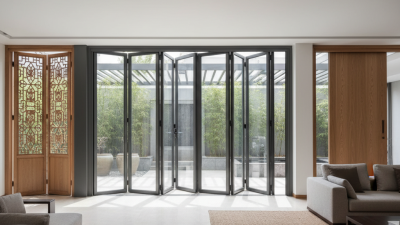
Balconies, Sunrooms |
Wide Opening, Easy Operation |
$1,500 - $4,000 |
| Pocket Sliding Door |
Wood & Glass |
Compact Spaces, Bedrooms |
Disappears in Wall, Stylish |
$1,000 - $3,500 |
| Multi-Slide Door |
Aluminum & Glass |
Luxury Homes, Outdoor Spaces |
Seamless Transition, Large Panels |
$3,000 - $8,000 |
Classic vs. Modern Sliding Door Materials: A Comparative Guide
Sliding doors can transform any home by enhancing aesthetics and functionality. When considering materials, homeowners often face a choice between classic options like wood and modern alternatives such as aluminum or fiberglass. Data from the Home Improvement Research Institute suggests that 62% of homeowners prefer sliding doors made from energy-efficient materials. This trend highlights a growing awareness of sustainability in home design.
Wood sliding doors offer a timeless appeal. They provide warmth and a classic look that blends well with traditional architecture. However, wood requires regular maintenance to prevent warping and damage. On the other hand, aluminum doors are known for their durability and resistance to the elements. According to the American Institute of Architects, aluminum sliding doors can last up to 30 years with proper care. Despite their modern look, they may lack the charm of their wooden counterparts for some homeowners.
Glass is another popular choice for sliding doors. It offers vast natural light and unobstructed views. However, glass can raise security concerns and may require additional treatments for insulation. Homeowners need to weigh these factors against their design preferences and practical needs. Engaging with local builders or architects can provide insights into which option aligns best with individual home design goals. Each material comes with its advantages and drawbacks. Ultimately, the choice depends on personal taste and lifestyle.
Choosing the Right Sliding Door Size for Your Space and Needs
Choosing the right sliding door size is crucial for your home's design. A well-fitted door enhances the aesthetics and functionality of a space.
Measure the width and height of your opening accurately. This prevents issues like gaps or overcrowded spaces.
Consider how the door will operate. Will it slide into a wall or simply along a track? The mechanism affects your size choice.
Room dimensions and furniture placement come into play as well. If your room is small, opt for a larger door to create the illusion of space.
Conversely, a massive door can overwhelm a compact area. Think about the traffic flow.
A door that is too small may hinder movement, while one that is too large could disrupt the layout.
Take time to visualize how different sizes feel in your space. Imagine standing in front of each option. What works best aesthetically?
What feels comfortable? It’s not just about practicality; design should evoke a feeling. Reflect on these factors before making your final decision.
Enhancing Security and Energy Efficiency in Sliding Door Choices
When selecting sliding doors for your home, security and energy efficiency stand out as critical factors. Many homeowners overlook the need for robust locking mechanisms. A weak lock can compromise safety. Opt for high-quality locks and multi-point locking systems. This step can significantly enhance your home's overall security. Adding security screens can also deter potential intruders, ensuring peace of mind for your family.
Energy efficiency is equally important in today’s home design. Many sliding doors now feature double or triple glazing. This technology helps reduce heat loss in winter and keeps your home cool in summer. Look for energy ratings when considering options. Low-emissivity (Low-E) glass can minimize energy consumption further. These choices not only help your pocket but also benefit the environment. However, you'll need to balance aesthetics with functionality. Sometimes, the most attractive designs lack the efficiency you desire.
Selecting the right sliding door requires careful thought. Prioritize security features and energy efficiency for a well-rounded choice. Your home’s safety and comfort depend on these vital aspects. Reflecting on these needs can lead to more informed decisions. It’s crucial to assess both your personal style and pragmatic needs thoroughly.
Trendy Sliding Door Hardware and Accessories for 2026 Designs
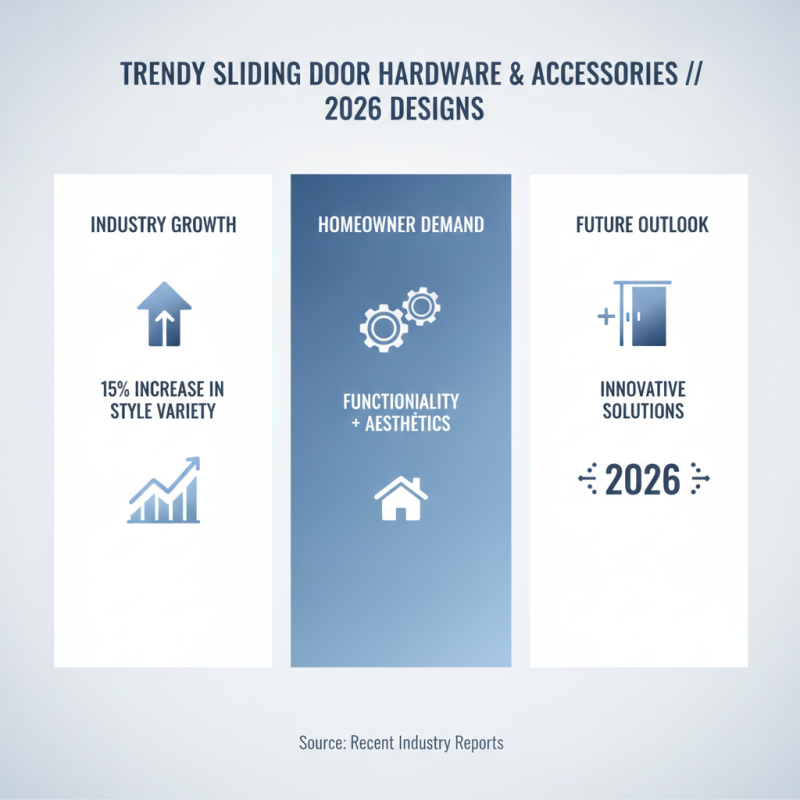
When designing your home in 2026, sliding door hardware and accessories are critical. Recent industry reports indicate that the demand for innovative sliding door solutions is growing, with a projected increase of 15% in style variety. This surge reflects homeowners' desire for both functionality and aesthetics.
One trend gaining traction is the use of minimalist hardware. Sleek, unobtrusive designs enhance the modern look of interiors. In addition, materials like carbon steel and corrosion-resistant finishes are rising in popularity. A survey by the Interior Design Association found that over 70% of designers now prefer these durable materials for their projects. Accessories such as soft-close mechanisms also enhance usability, bringing elegance to everyday functionality.
However, not everything is perfect in this market. The installation process can sometimes be complex, requiring skilled labor. Homeowners must be aware of potential compatibility issues with existing frames. Consequently, choosing the right sliding door hardware requires careful consideration. Industry experts recommend measuring the door frame precisely and researching styles that match the house decor. This diligence can prevent regrettable decisions down the line.