What Are Smart Windows Benefits for Modern Buildings?
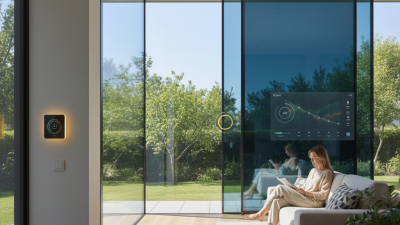
In today's architectural landscape, "Smart Windows" play a crucial role in enhancing building efficiency. These innovative solutions not only improve energy management but also contribute to occupant comfort. By adjusting their tint based on sunlight, Smart Windows actively reduce glare and heat. This technology promotes a pleasant indoor environment, which can positively influence productivity.
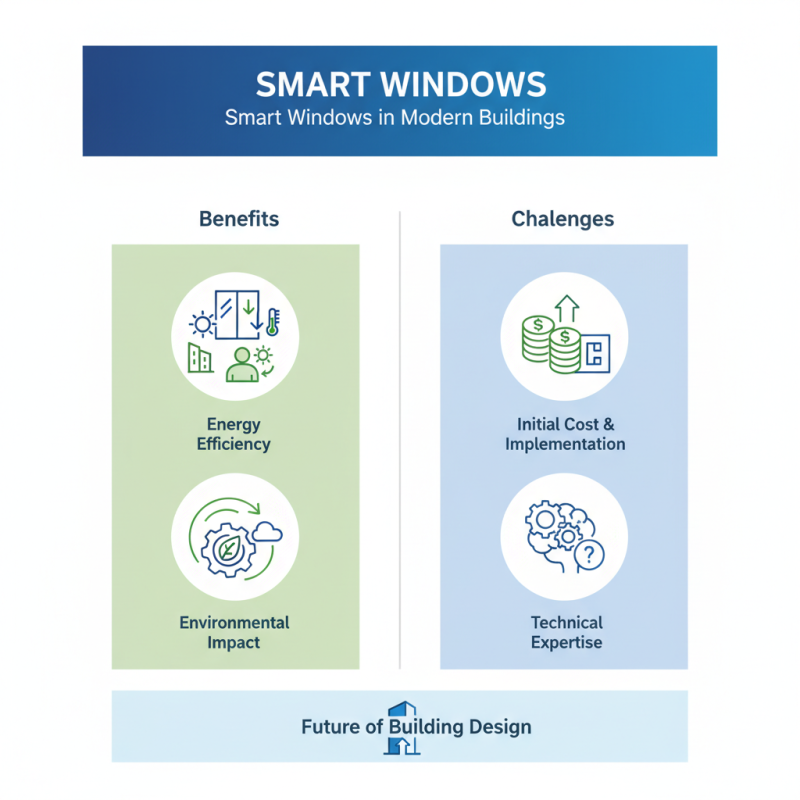
Moreover, Smart Windows are increasingly recognized for their environmental benefits. They significantly lower energy consumption, which translates to reduced carbon footprints. Many modern buildings aim for sustainability, and Smart Windows align beautifully with this goal. However, the implementation of this technology can come with challenges, such as higher initial costs and the need for specialized knowledge.
The use of Smart Windows might seem straightforward, but it requires careful consideration in design and function. Architects and builders need to ensure optimal performance and suitability for different climates. While the potential is vast, the path to effective integration isn't always clear-cut. The future of building design may rely heavily on Smart Windows, but it is essential to address existing hurdles.
Benefits of Smart Windows in Reducing Energy Consumption
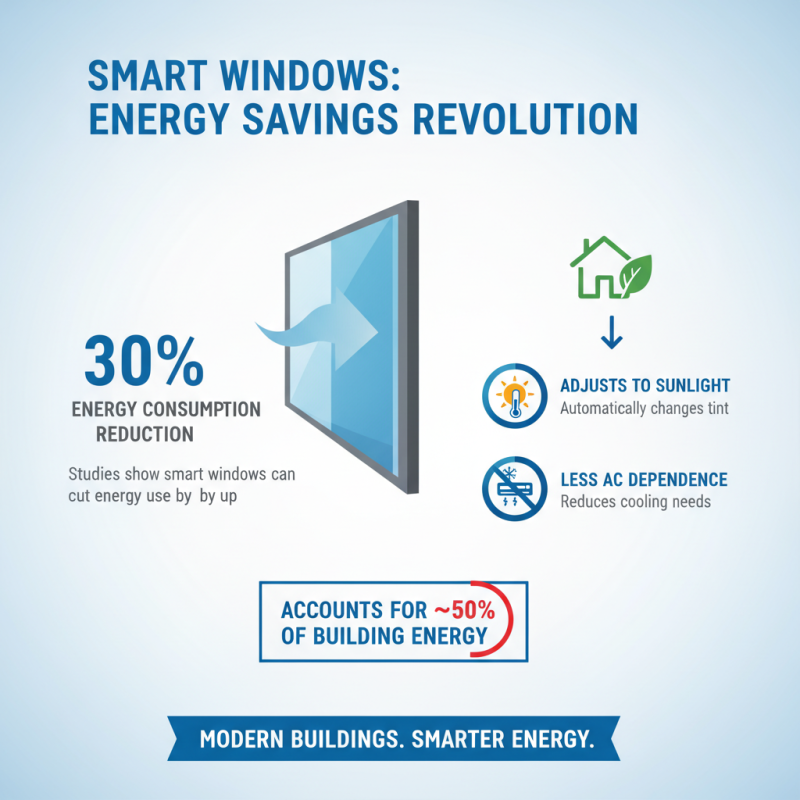
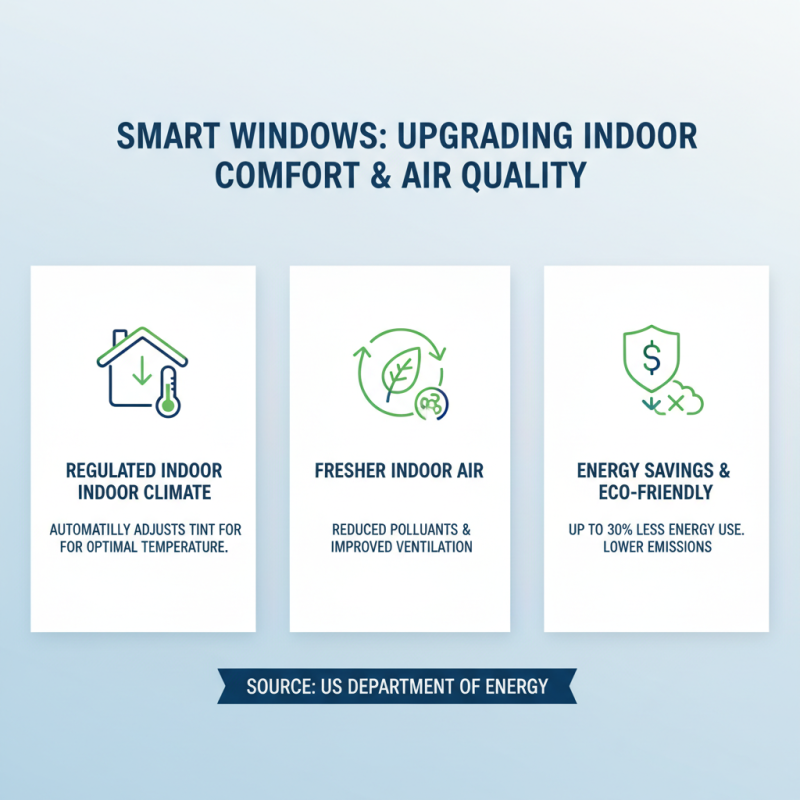
Smart windows are revolutionizing modern buildings, particularly in energy consumption. Studies indicate that these windows can reduce energy use by up to 30%. This reduction is mainly due to their ability to adapt to varying sunlight conditions. By automatically adjusting tint levels, smart windows minimize the need for air conditioning, which can account for nearly 50% of energy consumption in buildings.
One report from the Department of Energy highlights that buildings utilize 40% of the energy consumed in the United States. Integrating smart window technology not only lowers energy bills but also decreases carbon footprints. These windows can change between transparent and tinted states, effectively regulating indoor temperatures. This adaptability can lead to significant savings over time, especially in commercial spaces with large glass facades.
Tip: Ensure proper installation of smart windows for optimal performance. A well-designed window system can enhance energy efficiency significantly. Monitor the energy savings regularly to assess the performance of your smart window technology. Engaging with energy consultants can also provide insights into maximizing the benefits of these systems.
Enhancing Natural Light Access with Smart Window Technologies
Smart window technologies significantly enhance natural light access in modern buildings. By utilizing advanced materials and designs, these windows adapt to changing sunlight conditions. They can automatically adjust tint based on the angle of the sun, reducing glare and managing heat gain. A study by the National Renewable Energy Laboratory found that smart windows can increase daylight exposure by up to 30%, creating a brighter environment for occupants.
Access to natural light has been linked to improved productivity and well-being. According to a report from the World Green Building Council, buildings with ample daylight can boost employee efficiency by 6% to 12%. Furthermore, natural light can enhance mood and reduce energy costs associated with lighting systems. However, these technologies are not without challenges. Initial installation costs can be higher than traditional windows, and maintenance may require specialized knowledge.
While the benefits of smart windows are clear, the technology is still evolving. Many building owners express concerns about long-term costs versus savings. Fine-tuning the balance between energy efficiency and user comfort remains a critical point for further research. The ongoing development of smart windows holds promise for more sustainable building practices while enhancing the overall quality of life for occupants.
The Role of Smart Windows in Sustainable Building Design
Smart windows are revolutionizing sustainable building design. These innovative features enhance energy efficiency by regulating heat and light. They often utilize advanced technologies, such as electrochromic or thermochromic materials, which respond to sunlight. This adaptability can significantly reduce the need for artificial lighting and HVAC systems.
Incorporating smart windows might seem straightforward, but challenges exist. Installation costs can be high. Maintenance and compatibility with existing structures require careful planning. Designers must understand the varied performance levels of different smart window technologies. Some may not meet the desired energy standards.
Moreover, the impact of smart windows on occupant comfort deserves attention. Users might find themselves adapting to new lighting and temperature conditions. Balancing these transitions can be tricky. While smart windows offer benefits, they also push architects and builders to rethink traditional design approaches. The evolution of sustainable buildings lies in navigating these complexities.
Cost Savings and Return on Investment from Smart Window Installation
Smart windows are becoming essential in modern buildings. They offer significant cost savings and can improve the return on investment (ROI) for property owners. These windows adjust their tint based on sunlight exposure, helping to regulate indoor temperatures. This can lead to reduced energy costs for heating and cooling.
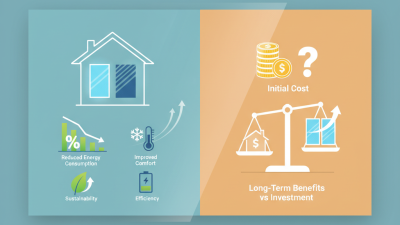
One crucial aspect is the initial installation cost. While smart windows may be more expensive than traditional options, they often lead to long-term savings. Buildings can save money on energy bills, which can offset the higher upfront costs over time. For example, studies show that smart windows can reduce energy consumption by up to 30%.
**Tip:** When considering smart windows, evaluate your building’s unique needs. Look into local energy rates and plan for the long-term gains.
Additionally, incorporating smart windows into your building design can also boost property value. Many buyers are now looking for energy-efficient features. A building with modern, smart technology can stand out in the market.
**Tip:** Consult with experts to assess the best options for your space. Conducting a thorough cost analysis can reveal the true financial benefits.
Cost Savings and ROI from Smart Window Installation
This chart illustrates the various cost savings and ROI benefits associated with the installation of smart windows in modern buildings. The data highlights energy savings, maintenance cost reductions, benefits in occupant comfort, and overall total ROI from such installations.