Top 10 Sliding Window Solutions for Global Buyers to Consider?
The sliding window industry continues to evolve, attracting global buyers seeking innovation and durability. Renowned expert Jane Thompson, a leading figure in architectural solutions, once stated, "Sliding windows redefine the boundaries of natural light and accessibility." This insight emphasizes the significance of choosing the right products for diverse architectural needs.
In recent years, the demand for advanced sliding window solutions has surged. Buyers aim for options that offer both aesthetic appeal and functional excellence. Energy efficiency, security features, and ease of operation are essential factors influencing choices. However, many buyers might overlook the importance of installation quality. A poorly installed window can detract from its benefits.
Navigating the plethora of available solutions is not always straightforward. Options vary widely in design, materials, and technology. Buyers should carefully assess their needs and explore all potential products. Finding the ideal sliding window may not be simple, but the right choice can transform any space significantly. Making informed decisions is crucial for long-lasting satisfaction and performance.
The Importance of Sliding Windows in Modern Architecture and Design
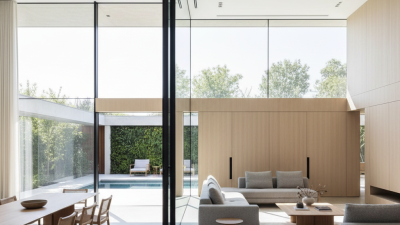
Sliding windows play a crucial role in modern architecture and design. They are more than just glass panels. These windows enhance natural light, improve ventilation, and create seamless connections between indoor and outdoor spaces. Many architects embrace sliding windows for their minimalist aesthetic and functionality. In urban settings, they can transform a limited space into an airy oasis.
However, not all sliding windows are equal. Design and installation need careful consideration. For instance, poor insulation may lead to energy loss. This could result in higher utility bills and discomfort within the space. In addition, some sliding mechanisms can wear down over time, making it difficult to open or close the windows. This could hinder the user experience. It’s essential to choose designs that prioritize durability and energy efficiency.
As cities grow, the demand for sliding windows increases. Buyers must evaluate various materials, styles, and features. Finding the right solution requires expert advice and quality craftsmanship. Researching local markets can reveal innovative options. Balancing style with performance is crucial to achieving the desired aesthetic and practical benefits. The right sliding window can redefine a home or office, but it may take some trial and error to find the perfect fit.
Top 10 Sliding Window Solutions for Global Buyers
Key Market Trends Influencing Sliding Window Solutions Worldwide
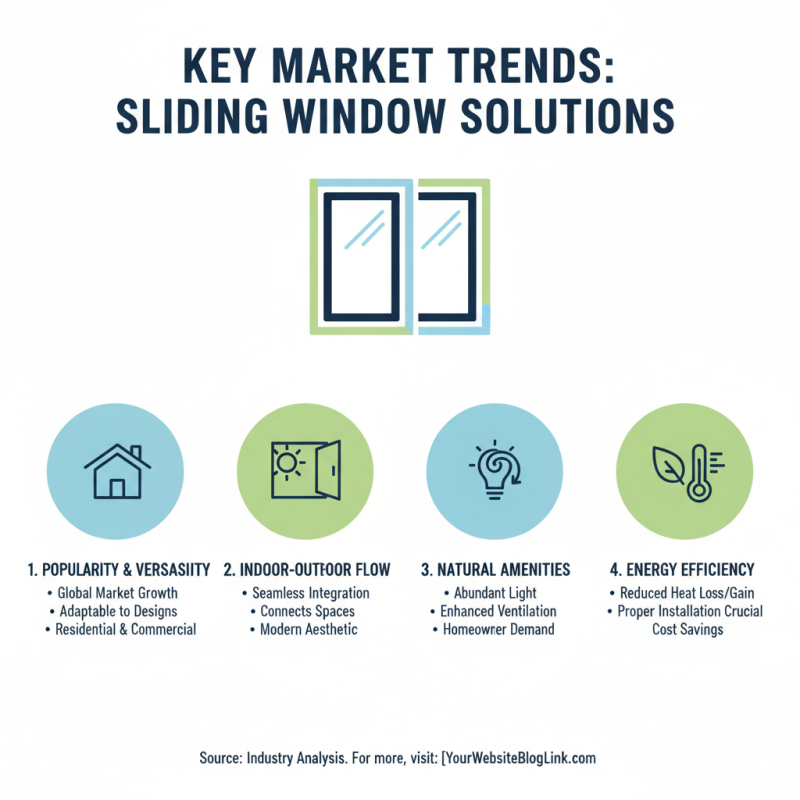
Sliding windows are becoming increasingly popular in the global market. Their versatility makes them an attractive choice for various architectural designs. These windows offer seamless integration with indoor and outdoor spaces. Natural light and ventilation are two key advantages that homeowners seek. Additionally, sliding windows often enhance energy efficiency when properly installed.
Market trends reveal several influencing factors. Homeowners are now prioritizing aesthetics and functionality. Sliding windows can fit diverse designs. Energy efficiency is a rising concern. Many buyers now seek solutions that reduce energy consumption. Innovations in materials, like thermally broken frames, are gaining traction. Moreover, sustainability is reshaping choices. Eco-friendly options are becoming essential for a growing number of consumers.
Demand for customization is also impacting the market. Clients often desire unique setups that reflect their style. This trend pushes manufacturers to offer tailored solutions. Designers encourage creativity while balancing cost efficiency. However, sourcing materials can sometimes be a challenge. The quality of components may vary, requiring careful vendor selection. Ensuring durability should not be overlooked in this pursuit.
Top Features to Look for in Sliding Window Products for Buyers
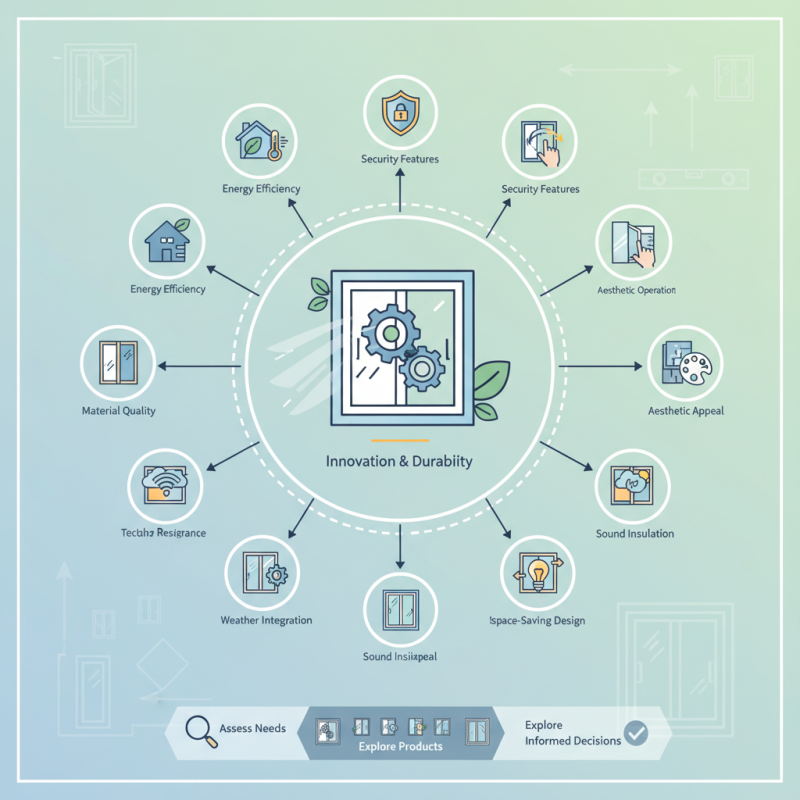
When considering sliding window solutions, buyers should focus on key features that enhance usability and performance. Look for products with high durability and resistance to environmental factors. Quality materials can significantly impact longevity and maintenance needs. Double-glazed designs offer improved insulation and soundproofing, making them ideal for various climates. Users often appreciate smooth operation, so pay attention to sliding mechanisms that provide both functionality and ease of use.
Security features shouldn't be overlooked. Ensure the windows have robust locking systems that offer peace of mind. Aesthetics also play a crucial role in your decision. Options that blend well with architectural styles can increase curb appeal. Additionally, buyers should think about energy efficiency. Windows that are Energy Star rated can significantly reduce heating and cooling costs over time.
While many options provide attractive benefits, some may have hidden drawbacks. Always research to understand potential issues, such as the installation process or any required maintenance. Every sliding window solution may have trade-offs, so consider what aligns best with your priorities. These insights can lead to a more informed and satisfying purchase decision.
Comparative Analysis of Leading Sliding Window Brands and Their Offerings
When evaluating sliding window solutions, buyers face many choices. A comparative analysis reveals key factors that drive decision-making. Durability, energy efficiency, and design aesthetics are top priorities for consumers. Reports indicate that 70% of homeowners consider energy ratings essential when choosing window brands.
Many brands offer various materials, including vinyl, aluminum, and wood. Understanding these materials helps in making an informed choice. Vinyl is often praised for its low maintenance, while wood provides a classic look. However, wood requires regular upkeep, which can be overlooked by some buyers.
Tips: Always check the warranty. It reflects a company's confidence in its product. Researching customer reviews can provide valuable insights into performance. Additionally, consider local climate impacts on materials. Some brands may not hold up well in extreme weather.
The sliding window market is witnessing innovation. Features like smart technology integration are becoming common. Understanding the pros and cons of these features is crucial. Not every advanced feature suits every buyer's needs. Thus, it's essential to assess your specific requirements before making a choice.
Top 10 Sliding Window Solutions for Global Buyers to Consider
| Feature |
Brand A |
Brand B |
Brand C |
Brand D |
Brand E |
| Material |
Aluminum |
Vinyl |
Fiberglass |
Wood |
Composite |
| Energy Efficiency Rating |
R-5 |
R-4 |
R-6 |
R-3 |
R-5.5 |
| Warranty Period |
10 years |
15 years |
Lifetime |
5 years |
10 years |
| Price Range (per unit) |
$300 - $500 |
$250 - $450 |
$400 - $600 |
$200 - $350 |
$350 - $550 |
| Customization Options |
Yes |
Limited |
Yes |
No |
Yes |
| Average Customer Rating |
4.5/5 |
4.0/5 |
4.8/5 |
3.8/5 |
4.2/5 |
Sustainability Factors in Sliding Window Manufacturing and Design Choices
Sliding window solutions play a crucial role in enhancing modern architecture. However, sustainability in their manufacturing and design often gets overlooked. By focusing on eco-friendly materials, manufacturers can significantly reduce their environmental impact. This shift not only conserves resources but can also lead to lower energy costs in the long run.
Utilizing recycled materials for window frames is one promising approach. Additionally, energy-efficient glazing can minimize heat loss. These choices enhance comfort and reduce reliance on heating and cooling systems. Despite potential higher initial costs, the long-term benefits are feasible. Yet, the industry still faces challenges. Not all suppliers prioritize sustainable practices, making it vital for buyers to conduct thorough research.
Further, the design of sliding windows should facilitate natural ventilation. This can improve indoor air quality while reducing energy consumption. Yet, striking a balance between aesthetics and functionality is complex. Buyers must consider not only beauty but also the environmental footprint of their choices. Practical solutions often demand creativity and ongoing evaluation of available resources.