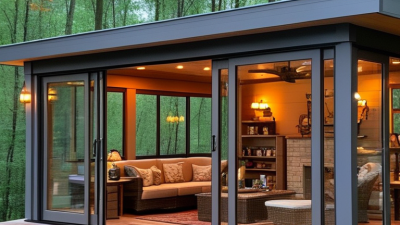
What Are the 2026 Best Mobile Sunroom Types?
Choosing the 2026 best mobile sunroom requires more than comparing attractive photographs. A Mobile Sunroom must balance comfort, portability, weather resistance, and everyday practicality. Buyers also need to consider storage space, ground conditions, ventilation, and local installation requirements.
This guide examines several leading types, including folding fabric rooms, modular panel structures, trailer-based sunrooms, and lightweight aluminum designs. Each type serves a different lifestyle. A folding model may suit weekend gatherings, while insulated panels can provide better seasonal comfort. Trailer-mounted options offer greater mobility, but towing weight and road safety deserve careful attention. Aluminum frames often feel durable, though they may become hot without suitable shading.
Reliable comparisons should use measurable details. Look for frame materials, fabric ratings, window construction, anchoring methods, warranty terms, and replacement-part availability. Manufacturer specifications provide a useful starting point. Independent user feedback can reveal problems that brochures rarely mention, such as difficult zippers, weak wheels, or condensation after a cold night.
Small details matter.
A practical evaluation should also consider setup time. A room that takes two adults forty minutes may be inconvenient for frequent use. A heavier structure might resist wind better, yet require more storage planning. No design wins every test. My own judgment would remain cautious where long-term durability data is limited. Even a highly rated Mobile Sunroom can disappoint when placed on uneven ground or exposed to strong coastal weather.
The sections ahead compare these types through comfort, movement, maintenance, value, and realistic outdoor use. The goal is not to name one universal winner. It is to help readers identify the best match for their space, climate, budget, and expectations.
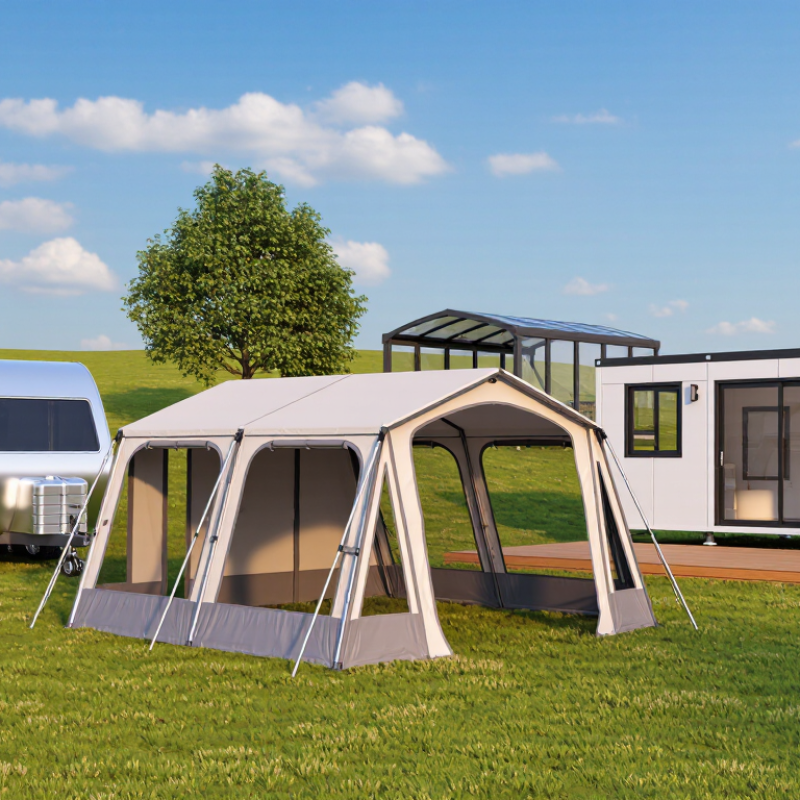
Define Mobile Sunrooms by ICC Modular-Building and Transport Standards
In 2026, the best mobile sunroom is not defined by wheels alone. ICC/MBI 1200-2021 defines modular construction through controlled design, fabrication, transportation, and site assembly. ICC/MBI 1205-2021 adds inspection and commissioning practices. A relocatable sunroom should therefore have documented structural drawings, lifting points, connection details, and repeatable factory inspections.
Three practical types stand out: trailer-mounted units, transportable box modules, and sectional systems assembled on site. Trailer-mounted rooms suit temporary placement, but their chassis, anchors, and movement loads require careful engineering. Box modules offer stronger weather control and faster installation. Sectional systems may reduce route restrictions, though site joints can become weak points.
The Modular Building Institute’s 2024 industry report valued U.S. permanent modular construction at about 20.3 billion dollars in 2023, showing wider acceptance of factory-built methods. The figure is useful, but it does not prove every mobile sunroom is code-compliant.
Transport planning must be specific. The Federal Highway Administration’s size-and-weight compilation identifies 102 inches as a common legal vehicle-width limit on major U.S. routes, with state variations and exceptions. Designers should check route clearances, axle loads, lifting equipment, and permitted dimensions before fabrication. A sunroom that fits a showroom may fail at a low bridge. That mistake is expensive. ICC standards guide modular quality, but local building officials still determine site approval, foundations, anchorage, fire safety, and utility connections. Some classifications remain unclear. A “mobile” label alone is not technical evidence.
Compare Pop-Up, Kit, Modular, and Trailer-Mounted Sunroom Types
What Are the 2026 Best Mobile Sunroom Types?
Choosing a mobile sunroom depends on use, climate, storage, and transport needs. Pop-up sunrooms suit short-term shade, seasonal dining, and quick backyard setups. Their fabric walls fold into compact bags, while lightweight frames assemble within hours. It folds quickly. However, weaker insulation and wind resistance limit winter use. Secure anchoring remains essential, even during calm weather.
Kit sunrooms offer more rigid panels, stronger frames, and clearer installation instructions. They work well for homeowners who want a semi-permanent room without ordering a fully custom structure. Accurate measurements matter. Uneven ground can create door gaps, water leaks, or panel stress. Check local permit, drainage, snow-load, and setback requirements before installation.
Modular sunrooms provide better insulation, electrical planning, and year-round comfort. Factory-built sections can reduce on-site construction time, but delivery access and foundation preparation require careful planning. Trailer-mounted sunrooms provide the greatest mobility. They fit changing sites, events, and temporary accommodation needs, yet towing weight, braking equipment, road rules, and leveling systems deserve professional review. Mobility has costs. A common planning mistake is choosing a trailer model for frequent travel without calculating storage, fuel, and setup time. I would not call one type universally best. The practical choice may be less attractive, but it should match real weather, transport habits, and maintenance ability.
What Are the 2026 Best Mobile Sunroom Types?
Comparing pop-up, kit, modular, and trailer-mounted sunrooms by practical mobile-use characteristics
Scores use a 1–5 comparative index based on typical characteristics of each sunroom type: 5 indicates the strongest performance. Pop-up units generally lead in portability and setup speed, kit systems offer stronger customization, modular units provide better durability, and trailer-mounted units balance mobility with usable space. Actual performance, costs, and local approval requirements vary by design and installation conditions.
Rank Glazing with NFRC U-Factor and SHGC Performance Metrics
What Are the 2026 Best Mobile Sunroom Types?
For a mobile sunroom, glazing often matters more than the frame style. Folding, sliding, and modular designs can all perform well when their windows carry reliable NFRC ratings. Use U-factor to judge heat transfer. Lower numbers usually mean better insulation. Use SHGC to judge solar heat entering the room. A lower SHGC can reduce overheating, while a higher value may help during cold seasons.
My practical ranking starts with low-emissivity double glazing. It usually offers a strong balance between insulation, daylight, weight, and cost. Solar-control low-e glazing follows for south- or west-facing rooms with intense afternoon sun. Triple glazing can achieve a lower U-factor, but its added weight may challenge a mobile structure. Clear single glazing ranks lowest for year-round comfort, despite its lower initial cost.
Check the whole window rating, not only the glass description. A frame, spacer, and movable seal can weaken real performance. Small gaps may create cold edges and condensation. I once considered triple glazing the obvious winner, but that view was too simple. A heavy panel may reduce mobility and increase structural demands. Compare NFRC U-factor and SHGC values for the actual window unit, then consider orientation, shading, ventilation, and local winter temperatures. Metrics are useful. They are not the entire room.
Check 2026 Designs Against ASCE 7-22 Wind and Snow Loads
What Are the 2026 Best Mobile Sunroom Types?
The strongest 2026 mobile sunrooms are not chosen by appearance alone. Their frames must respond to ASCE 7-22 wind and snow provisions. Retractable glass rooms suit mild regions, while insulated modular units perform better in cold, snowy climates. Screened rooms remain practical for low-snow areas, but their lightweight roofs need careful anchoring.
ASCE 7-22 uses site-specific ultimate wind speeds, exposure categories, roof geometry, and risk classifications. A coastal site may require design for wind speeds above 120 mph. That number is only an example. Local mapping controls. The standard also calculates ground snow loads, drifting, and unbalanced roof pressure. A flat mobile roof can collect snow beside a taller wall, creating uneven stress.
NOAA’s 1991–2020 Climate Normals provide useful local temperature and snowfall history. However, climate averages do not replace structural load calculations. FEMA guidance also emphasizes continuous load paths, from roof panels to foundations. Wheels alone are not a foundation. Anchors, tie-downs, ballast, and connection hardware need documented capacities.
A real inspection should check bolt spacing, roof drainage, and corrosion. Missing details matter.
I would avoid selecting a “best” type before reviewing the site plan.
A compact glass enclosure may look ideal, yet fail under drifting snow without upgraded framing. Conversely, a heavy modular room may be excessive in a protected inland location. Ask for stamped calculations, installation instructions, and load ratings based on the exact address.