Leave Your Message

2026 Top Sunshade Awning Types for Global Buyers?

In 2026, global buyers will assess Sunshade Awning systems beyond appearance. They will compare climate performance, installation requirements, operating costs, and supplier reliability. Market estimates differ, but they show sustained demand for outdoor shading. Grand View Research identifies growing interest in retractable awnings, driven by residential renovation and commercial outdoor-space investment. Fortune Business Insights also links market expansion with warmer temperatures, urban development, and hospitality upgrades.

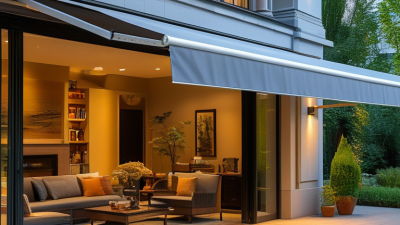
The strongest choices may include manual retractable awnings, motorized cassette awnings, drop-arm models, pergola awnings, and commercial tension systems. Each type solves a different problem. A compact cassette protects fabric during storage. A drop-arm awning suits narrow windows and balconies. A pergola system offers deeper coverage for restaurants, patios, and hotel terraces. Motorized models improve convenience, especially when connected to wind, sun, or rain sensors. Small details matter. Fabric weight, seam quality, frame corrosion resistance, drainage angle, and replacement-part access can determine service life.

Buyers should also consult local building requirements and recognized technical guidance, including relevant EN, ISO, ASTM, and ASHRAE references. Solar-control decisions should consider building orientation, glass exposure, wind load, and maintenance conditions. The International Energy Agency continues to emphasize passive cooling and reduced building energy demand, while the World Health Organization highlights the importance of practical protection from excessive ultraviolet exposure. Still, no universal ranking fits every market. Coastal salt air, monsoon rain, snow, and dusty inland climates demand different specifications. Product brochures often simplify this reality. This guide therefore compares performance, value, installation risk, and long-term usability, not just attractive designs.
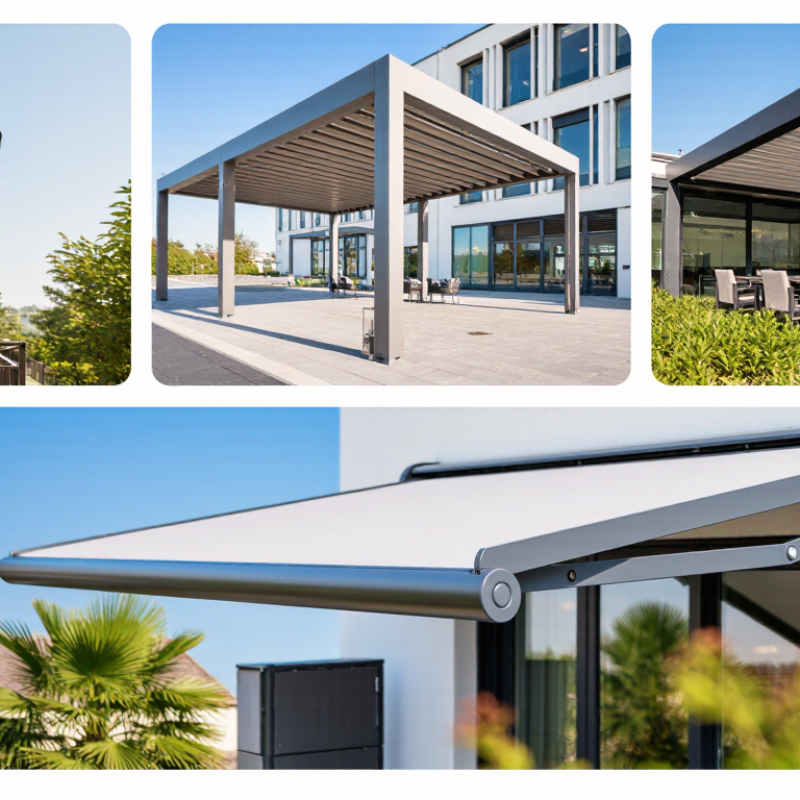
2026 Top Sunshade Awning Types for Global Buyers?

Sunshade Awning Basics and Key Selection Criteria for Global Buyers

For global buyers, a sunshade awning is more than fabric over a window. It combines fabric, frame, joints, and a mounting surface. Common types include retractable, fixed, drop-arm, and freestanding awnings. Retractable models suit patios needing flexible shade. Fixed awnings offer steady coverage but require careful drainage planning. Freestanding units work where walls cannot carry structural loads.

Start with the sun’s direction, not the catalogue image. Measure the opening, projection, clearance, and daily shadow pattern. Measure twice. In field checks, weak mounting surfaces cause more trouble than fabric choice. Brick, concrete, timber, and insulated walls need different fasteners and support methods. Ask for tested wind performance, fabric UV resistance, water-shedding behavior, and frame corrosion protection. A high rating is useful only when its test conditions are clear.

Climate should guide the mechanism. Manual systems can be dependable in remote areas, while motorized systems improve convenience but add electrical and service needs. Choose breathable fabric for hot, dry locations, and prioritize drainage in rainy regions. Check cleaning instructions and replacement-part availability before ordering. Buyers should also review local installation requirements and use qualified installers. I once saw a well-made awning fail because its projection blocked a door swing. That mistake was preventable. Product photos rarely reveal these site details.
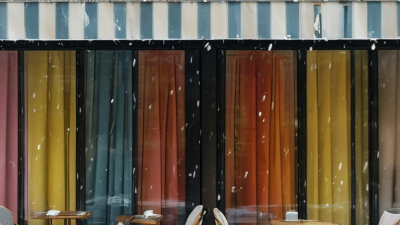
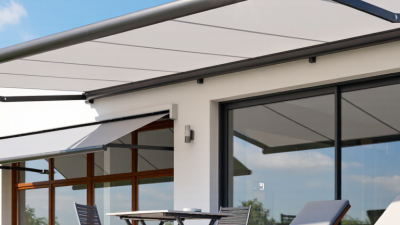
Retractable Awning Types for Residential and Commercial Applications

2026 Top Sunshade Awning Types for Global Buyers

Retractable awnings now serve both homes and commercial spaces. Folding-arm models suit balconies, patios, cafés, and shopfronts. They extend widely without ground posts. Cassette versions protect the rolled fabric inside a sealed housing. This design reduces dust, rain exposure, and maintenance. Drop-arm awnings work well on windows. Vertical screens provide side protection from low afternoon sun and light wind.

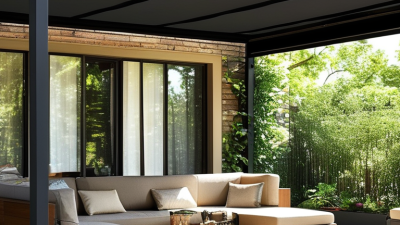
Commercial buyers often choose motorized systems with wind, sun, or rain sensors. Pergola-style retractable roofs cover larger dining areas and outdoor workspaces. They need stronger posts, reliable drainage, and careful anchoring. The International Energy Agency reports that buildings consume about 30% of global final energy. External shading can reduce solar heat entering glazed spaces, although actual savings depend on orientation, glass, climate, and operating habits. A 2024 Grand View Research assessment also identifies renovation and outdoor-living demand as important awning market drivers. These reports support demand, not automatic performance.

Tips: Confirm local wind loads before selection. Check wall strength, projection, fabric UV rating, and motor protection. Light fabrics can reduce heat gain, but darker fabrics may improve glare control. Ask for measured test data, not broad claims. Installers often underestimate drainage angles. That mistake is expensive. The best solution is not always the largest one; oversized projection can increase wind stress and reduce usability. A small trial installation may reveal problems that drawings miss.

Fixed, Freestanding, and Modular Awning Designs Compared

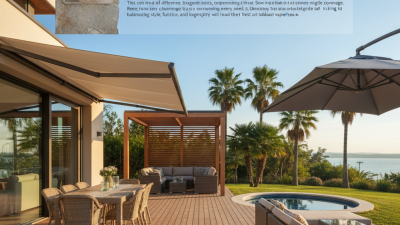
For global buyers in 2026, awning selection starts with site conditions, not appearance. Fixed awnings suit entrances, patios, and windows needing constant shade. Their anchored frames resist daily movement and usually require less adjustment. However, permanent projection demands accurate wall assessment and dependable drainage. In coastal or high-wind areas, specify corrosion-resistant hardware and obtain professional load calculations. A cheaper frame can become an expensive repair.

Freestanding awnings work where walls cannot carry loads, such as pool decks or open gardens. They offer flexible placement and can shade larger seating zones. Base plates, ballast, and ground anchoring matter greatly. I have seen attractive structures wobble because installers underestimated uplift. Not always obvious. Freestanding designs also need clear access around posts and planned water runoff. Seasonal removal may extend fabric life, but storage space becomes part of the purchase decision.

Modular awnings provide a practical middle ground for expanding commercial terraces or residential spaces. Buyers can add bays, screens, lighting-ready channels, or rain gutters later. This flexibility supports phased budgets, though mismatched modules may create leaks or uneven tension. Check connector compatibility, replacement-fabric availability, and installation tolerances before ordering. Measure twice. A modular system is not automatically simple. Regional sun angles, snow exposure, maintenance skills, and local building requirements should guide the final specification. A written installation record improves accountability.

2026 Top Sunshade Awning Types for Global Buyers

Fixed, freestanding, and modular awning designs compared by typical planning benchmarks.

Fixed awnings generally offer the longest service life because they are permanently anchored to a building structure. Freestanding systems provide greater placement flexibility but require independent structural supports. Modular awnings are adaptable and easier to expand or reconfigure, although connector systems and movable components may require more frequent inspection. The figures shown are typical industry planning ranges and can vary with materials, climate, installation quality, and maintenance.

Smart, Weather-Resistant, and Sustainable Awning Innovations in 2026

In 2026, global buyers are looking beyond shade. They want awnings that respond to changing weather, reduce energy demand, and remain practical after installation. Smart retractable systems can use sunlight, wind, and rain sensors to adjust fabric automatically. A manual override still matters. Sensors can fail, especially after dust, salt air, or poor calibration. Good suppliers should explain maintenance intervals, test records, and replacement access instead of promising effortless performance.

Weather resistance begins with material choices and verified construction. Solution-dyed acrylic and coated technical fabrics can resist fading, moisture, and repeated folding when properly specified. Aluminum frames reduce corrosion risk, while stainless fasteners help in coastal settings. Buyers should check drainage angles, wind-rating evidence, seam quality, and installation guidance for their climate. Details matter. A sample may look strong indoors, yet ultraviolet exposure and sudden gusts reveal weaknesses. Field experience remains valuable.

Sustainable awning design now considers the full service life. Repairable motors, replaceable covers, recyclable metals, and low-energy controls can reduce waste. Light-colored fabrics may lower nearby indoor heat, but performance depends on orientation, glazing, and local weather. This is where product claims need careful review. Claims need evidence. Ask for durability data, material declarations, warranty terms, and end-of-life options. Some advanced systems still use difficult-to-recycle electronic parts. That trade-off deserves honest discussion before purchase.

2026 Top Sunshade Awning Types for Global Buyers? - Smart, Weather-Resistant, and Sustainable Awning Innovations in 2026

Awning Type Typical Application Common Frame and Fabric Smart and Control Options Weather-Resistance Profile Sustainability Features Typical Projection Range Maintenance Level Best Fit for Global Buyers
Retractable Folding-Arm Awning Residential patios, balconies, cafés, restaurants, and shopfronts Powder-coated aluminum arms with solution-dyed acrylic or coated polyester fabric Motorized Remote control Wind sensor Sun sensor Good UV protection and light rain performance; should be retracted during strong wind, heavy rain, or snow Replaceable fabric covers, recyclable aluminum frame, long-life motor options, and repairable components 1.5–4.0 m ★★☆☆☆ Low to moderate Buyers seeking flexible outdoor shading with a clean façade appearance
Cassette Retractable Awning Premium residential façades, hotels, offices, and high-end commercial terraces Aluminum cassette housing, articulated aluminum arms, and acrylic or laminated technical fabric Tubular motor Wind sensor Smart-home integration Remote control Improved protection for the rolled fabric and mechanisms when closed; performance still depends on anchoring and wind exposure Longer fabric and component life through enclosed storage; recyclable metal housing and replaceable textiles 1.5–4.0 m ★★☆☆☆ Low Buyers prioritizing façade protection, appearance, and reduced routine maintenance
Pergola Awning Large terraces, hospitality venues, outdoor dining areas, and poolside spaces Aluminum posts and beams with retractable fabric roof, PVC-coated polyester, or louvered roof panels Motorized roof LED lighting Rain sensor Drainage control Higher structural stability than wall-mounted awnings; engineered drainage is required for rain, and snow-load limits must be checked locally Modular construction, durable aluminum, replaceable roof sections, and optional solar-powered accessories 2.5–6.0 m ★★★☆☆ Moderate Buyers needing larger shaded areas and extended outdoor-season use
Bioclimatic Louvered Pergola Premium residences, hotels, restaurants, resorts, and all-season outdoor rooms Powder-coated or anodized aluminum structure with adjustable aluminum louvers Motorized louvers Rain sensor Wind sensor LED and heating control Adjustable louvers provide ventilation and rain management; verified wind and snow ratings are essential for the installation location Aluminum is durable and recyclable; fixed roof coverings are minimized, and modular parts can be replaced individually 3.0–6.0 m ★★★☆☆ Moderate Buyers seeking controllable shade, ventilation, and weather adaptability
Drop-Arm or Vertical Screen Awning Windows, balconies, façades, glazed extensions, and privacy screening Aluminum side arms or guide channels with acrylic, polyester, PVC-coated mesh, or screen fabric Motorized Sun sensor Room-temperature control Effective solar and glare control; side-guided screens generally provide better wind stability than free-hanging drop curtains Can reduce indoor solar heat gain and cooling demand; breathable screen fabrics support passive ventilation 0.8–3.5 m ★★☆☆☆ Low to moderate Buyers focused on energy efficiency, glare reduction, and privacy
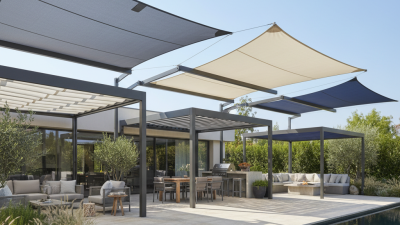
Sail Shade Parks, schools, playgrounds, gardens, cafés, and informal outdoor seating Stainless-steel or galvanized tension fittings with high-density polyethylene mesh or waterproof technical fabric Manual tensioning Optional lighting Fixed installation Mesh versions provide airflow and shade but limited rain protection; engineered anchoring is important in exposed areas Low material use, passive operation, replaceable fabric panels, and recyclable metal hardware Custom triangular, square, or rectangular layouts ★★☆☆☆ Low to moderate Buyers seeking cost-effective, visually distinctive, and low-energy shade structures
Fixed Canopy Awning Entrance doors, windows, storefronts, walkways, and small outdoor seating areas Aluminum or galvanized-steel frame with acrylic, polyester, polycarbonate, or metal roof covering Optional lighting Manual operation No moving parts Stable against everyday sun and rain when properly designed; local snow, wind, and drainage requirements must be considered Long service life, low operational energy use, and recyclable aluminum or steel frame options 0.6–2.5 m ★☆☆☆☆ Very low Buyers wanting reliable permanent protection with minimal operation
Solar Panel Awning Parking areas, balconies, terraces, commercial buildings, and electric-vehicle charging zones Aluminum or steel support frame with photovoltaic modules serving as the roof or partial roof Power monitoring Battery option EV charging integration LED lighting Provides shade and weather protection; structural design must account for panel weight, wind uplift, drainage, and local snow loads Generates renewable electricity and can offset grid consumption; module replacement and end-of-life recycling should be planned 2.5–6.0 m ★★★☆☆ Moderate Buyers combining outdoor shading with on-site renewable-energy generation
Bamboo or Timber Shade Structure Gardens, resorts, hospitality projects, eco-tourism sites, and residential outdoor areas Engineered timber, treated hardwood, or bamboo with fabric, reed, shingle, or open-slatted roof elements Manual Optional lighting Passive ventilation Performance depends strongly on species, treatment, drainage, ventilation, and local humidity or insect conditions Renewable or bio-based structural materials are possible; responsible sourcing, protective finishes, and repairability are important Custom dimensions ★★★☆☆ Moderate to high Buyers prioritizing natural aesthetics and bio-based construction materials
Transparent or Translucent Glass-Roof Awning Commercial entrances, winter gardens, balconies, cafés, and contemporary façades Laminated or tempered safety glass with aluminum or stainless-steel supports Optional LED lighting Manual system Solar-control glazing Good rain protection and durability; solar-control glass is recommended in hot climates to limit heat gain and glare Long service life, recyclable aluminum and glass, and no operating energy for fixed systems 0.8–2.0 m ★★☆☆☆ Low to moderate Buyers seeking daylight, permanent weather cover, and modern architectural integration

Note: Dimensions and performance descriptions are typical market ranges for product selection. Actual wind resistance, snow load, water drainage, UV protection, energy output, and installation requirements vary by design, materials, local building codes, and site conditions.

Global Buying Factors: Materials, Standards, Installation, and Maintenance

2026 Top Sunshade Awning Types for Global Buyers

Material selection starts with climate, not catalog photography. Solution-dyed acrylic resists fading, while coated polyester often reduces cost. Aluminum frames suit humid sites when alloy and coating quality are verified. In coastal zones, inspect fasteners for corrosion resistance, not merely “stainless” wording. I have seen attractive awnings fail because drainage was ignored. Small detail, expensive repair.

Standards make comparisons less subjective. EN 13561 addresses performance requirements for awnings and external blinds. ASTM test methods can support weathering and fabric evaluation. Buyers should request wind-load calculations, UV exposure evidence, and fire-performance documents where local rules require them. The 2024 Global Status Report for Buildings and Construction states that buildings consume about 32% of global energy. The International Energy Agency reports that global cooling demand has more than tripled since 1990. External shading can reduce solar heat gain, but results depend on orientation, control, and ventilation.

Installation is part of the product. Confirm substrate strength, anchor spacing, water runoff, and safe access before delivery. A competent installer should record torque, alignment, and commissioning photographs. Maintenance plans should include seasonal cleaning, fabric-tension checks, and early rust inspection. Do not assume motorized systems are maintenance-free. That assumption is flawed. Regional wind and rain data should guide retractable or fixed designs, with conservative safety margins. Recheck the specification after a pilot installation; drawings rarely reveal every site problem.