2026 Best Sunshade Awning Options for Your Outdoor Space?
As outdoor spaces become extensions of our homes, the demand for effective sun protection has surged. "A well-chosen sunshade awning can transform your outdoor area into a comfortable oasis," says Jonathan Green, a leading expert in patio design. This highlights the value of selecting the right sunshade awning for your unique needs.
In 2026, the market offers a variety of sunshade awning options. Each option brings different features. Materials, styles, and mechanisms vary widely. Choosing the best one can be daunting. The wrong choice could lead to dissatisfaction and unnecessary expenses. Finding the balance between aesthetics and functionality is crucial.
Investing in a sunshade awning requires thoughtful consideration. While it is easy to be tempted by flashy designs, functionality should not be overlooked. Simple yet effective solutions often yield the best results. Reflect on your outdoor usage patterns. Discover the sunshade awning that fits your lifestyle and enhances your space beautifully.
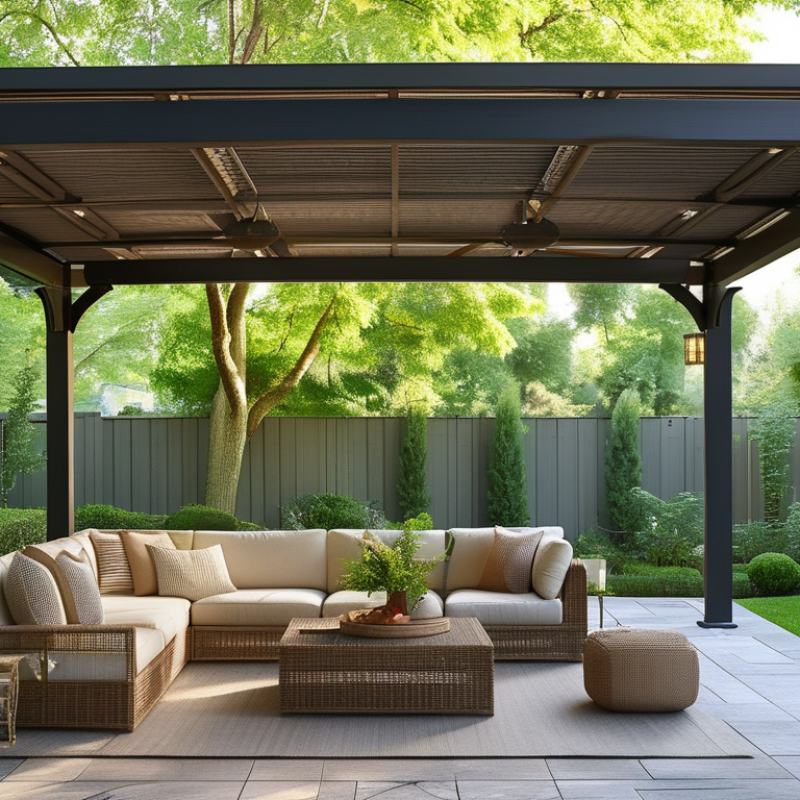
2026 Market Analysis of Sunshade Awnings: Trends and Innovations
The sunshade awning market is experiencing significant growth. According to a recent industry report, the global market is projected to reach $4 billion by 2026. This expansion is driven by increasing outdoor living trends and the desire for comfort in home spaces. Consumers are seeking versatile solutions to enhance their outdoor enjoyment while protecting themselves from harmful UV rays.
Innovations are shaping the market dynamics. Retractable awnings, made with high-tech fabrics, are gaining popularity. These products not only provide shade but also combine aesthetics and functionality. A 2023 survey revealed that 70% of consumers prioritize durability when purchasing awnings. Additionally, smart technology integration in awnings is a growing trend. Features like motorized control systems cater to modern lifestyles, enhancing user convenience.
However, challenges persist. The market faces issues related to material sourcing and sustainability. Many consumers express concerns about the environmental impact of awning production. The demand for eco-friendly options is rising. Companies may need to rethink their supply chains and invest in sustainable materials to meet these demands. Addressing these challenges could lead to a more responsible market, aligning with consumer values and environmental priorities.
Key Material Comparisons for Durability and UV Protection in Awnings
When choosing sunshade awnings, material plays a crucial role in durability and UV protection. According to a recent report by the American Society for Testing and Materials (ASTM), fabrics such as acrylic and vinyl outperform others in longevity and resistance. Acrylic fabrics offer a lifespan of up to 15 years, while vinyl options may last slightly less but provide better waterproofing.
UV protection is vital for outdoor spaces. The Skin Cancer Foundation recommends awnings with a UV block of at least 90%. Most high-quality acrylic awnings exceed this benchmark, effectively blocking harmful rays while allowing some light to filter through. In contrast, polyester blends often only provide around 80%, raising concerns for users seeking optimal protection.
Considering the impacts of weather is essential. Awnings face wind, rain, and sun exposure daily. Selecting the correct material ensures resilience. For instance, awnings made from solution-dyed acrylic fabrics resist fading and maintain vibrant colors longer. While these options may initially cost more, they often lead to fewer replacements and lower overall expenses in the long run. Ultimately, understanding material capabilities helps create a safe and comfortable outdoor environment.
2026 Best Sunshade Awning Options for Your Outdoor Space
| Awning Type |
Material |
Durability (Years) |
UV Protection (%) |
Water Resistance |
Maintenance Requirements |
| Retractable Awning |
Acrylic Fabric |
10-15 |
90% |
Yes |
Low |
| Freestanding Awning |
Polyester with PVC Coating |
5-10 |
85% |
Moderate |
Medium |
| Fixed Awning |
Metal (Aluminum) |
15-20 |
75% |
Yes |
Low |
| Portable Awning |
Nylon |
2-5 |
80% |
Limited |
High |
Cost-Benefit Analysis: Investing in Quality Sunshade Awnings
When contemplating sunshade awnings for your outdoor space, a cost-benefit analysis is crucial. Quality matters. According to a 2021 report by the American Society of Landscape Architects, investing in high-quality awnings can increase outdoor living space usability by 80%. This translates to more family gatherings and summer barbecues.
However, the initial investment can be significant. Premium sunshade options may cost anywhere from $1,000 to $3,000. Yet, studies show they can reduce energy bills by 15% during hot months. A well-placed awning helps lower indoor temperatures, optimizing air conditioning efficiency. This is particularly relevant in regions with long summers, where cooling costs can become burdensome.
Consider durability as well. Cheaper options may fray or fade quickly, requiring replacement within a couple of years. A report by the National Institute of Standards and Technology mentioned that high-quality awnings last an average of 10 years or longer. Investing wisely means fewer replacements and reduced long-term costs. Reflecting on these factors allows for a more informed decision in enhancing your outdoor space's comfort and appeal.
2026 Best Sunshade Awning Options - Cost-Benefit Analysis
Environmental Impact of Different Sunshade Materials and Designs
The environmental impact of sunshade awnings varies significantly based on materials and designs. Traditional options like vinyl and plastic may provide durability, but their production often involves harmful chemicals. These substances can contribute to environmental degradation. In contrast, eco-friendly materials, such as recycled fabrics or natural fibers, offer a sustainable alternative. They reduce waste and lower carbon footprints during production.
Design plays a crucial role in enhancing sustainability. Awnings that incorporate solar technology can reduce energy consumption. They harness sunlight and convert it into usable energy. However, these technologies may not be accessible to everyone and can come with a higher initial cost. It’s essential to balance aesthetic appeal with environmental concerns when choosing a sunshade.
Consumers face choices that reflect their values and needs. Assessing the full lifecycle of materials helps in making informed decisions. Awnings that require less maintenance or are biodegradable may seem practical at first glance. Yet, they might not perform well in extreme weather. Weighing these factors is key to selecting the best option for your outdoor space.
User Satisfaction Statistics: Popular Brands and Consumer Preferences
When it comes to sunshade awnings, consumer preferences reveal intriguing insights. Many users prioritize durability and design. They want options that not only provide protection but also complement their outdoor aesthetics. Weather resistance is a top requirement, as awnings face varied climates. Many reviews indicate that colors fade over time, which can be disappointing.
User satisfaction statistics highlight that ease of installation significantly impacts overall happiness. Many favor products that offer quick installation solutions, reducing the time spent setting up. Some consumers express frustration with assembly instructions that feel unclear or overly complex. Therefore, clear guidelines can greatly enhance satisfaction.
Additionally, customer feedback shows varying opinions on maintenance. Some users appreciate easy-to-clean materials, while others feel stuck with complicated upkeep. This leads to questions about long-term reliability. While some brands provide excellent support, not all are equally responsive. Addressing these concerns could improve customer experiences significantly. Overall, understanding these preferences can guide potential buyers in making informed choices.