China Top Smart Windows Innovations Transforming Modern Architecture?
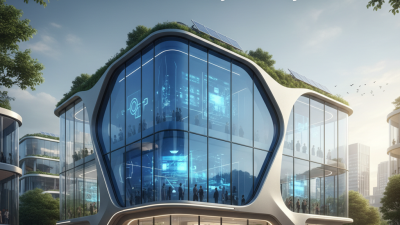
In recent years, "Smart Windows" have revolutionized modern architecture in China. These innovative technologies enable buildings to adapt to changing environmental conditions. As an expert in the field, Dr. Li Wei notes, “Smart Windows not only enhance energy efficiency but also improve comfort in indoor spaces.”
With the increasing demand for sustainable construction, Smart Windows have emerged as a crucial element. These windows can adjust transparency based on sunlight, reducing glare while maximizing natural light. However, challenges remain. The initial costs can be high, and not all materials are adaptable.
As architects and builders embrace Smart Windows, the future of urban design looks promising yet complex. These advancements could lead to more eco-friendly cities. Yet, ongoing research and development are essential to overcome current limitations. The integration of Smart Windows into everyday buildings may not be smooth, but the potential benefits are undeniable.
The Evolution of Smart Windows Technology in China
The evolution of smart windows technology in China marks a significant shift in architectural design. This innovation combines energy efficiency with user comfort. Smart windows can adjust their transparency based on sunlight. They respond to environmental changes, making buildings more sustainable.
In urban areas, these windows help regulate indoor temperatures. As a result, energy consumption for heating and cooling decreases. However, challenges remain in terms of implementation. Many buildings are still using traditional windows. Education on the benefits of smart windows is crucial for broader acceptance.
Despite advancements, some designs fail to meet aesthetic standards. Integrating technology with visual appeal can be difficult. Architects continue to experiment with materials and styles. The future of smart windows in Chinese architecture relies on addressing these issues. With ongoing research, there’s potential for more remarkable breakthroughs.
Key Players in China's Smart Windows Innovations
China is rapidly emerging as a leader in smart window innovations. Various companies are focusing on developing windows that can regulate temperature, control light, and enhance energy efficiency. These innovations contribute significantly to modern architecture, allowing buildings to adapt to environmental changes. The technology offers potential energy savings, appealing to environmentally conscious consumers.
Key players in China's smart windows sector are pushing boundaries in research and development. They combine advanced materials with cutting-edge technology. This synergy enables the creation of highly efficient, solar-responsive windows. Several startups are also entering the market, bringing fresh ideas and fostering competition. However, the industry faces challenges like high production costs and market acceptance.
As smart window technology evolves, we observe mixed reactions from architects and builders. Some see the benefits, while others express concerns over long-term durability. Educating stakeholders on performance and maintenance is crucial. Real-world applications showcase both successes and failures, leading to ongoing discussions on best practices. The journey towards optimizing smart windows is still unfolding.
Applications of Smart Windows in Modern Chinese Architecture
Smart windows are revolutionizing modern architecture in China. These innovative products help control light and temperature within buildings. They adapt to changing sunlight, reducing energy consumption. This technology is crucial in the push for sustainable designs. Architects increasingly recognize the benefits of flexible glass solutions.
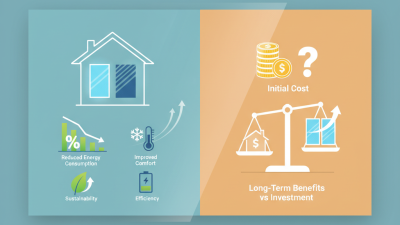
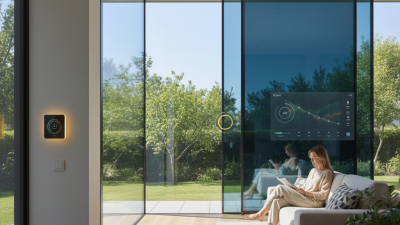
In urban areas, smart windows enhance the aesthetics of skyscrapers. They provide not only natural lighting but also privacy when needed. Smart windows can change opacity at the touch of a button. This feature is beneficial in mixed-use spaces, creating multi-functional environments. However, the initial installation cost can be high. Balancing costs with long-term benefits is essential for decision-makers.
**Tips:** When considering smart windows, assess the building's needs. Look into local climate patterns. Also, research possible government incentives for green technologies. Always seek expert opinions to make informed choices. Thoughtful implementation can lead to impressive energy savings in the long run.
China Top Smart Windows Innovations Transforming Modern Architecture
| Application Area |
Smart Window Type |
Benefits |
Energy Efficiency |
| Residential Buildings |
Electrochromic Windows |
Dynamic tinting for glare reduction |
Up to 30% reduction in cooling costs |
| Commercial Buildings |
Photochromic Windows |
Automatic adjustment to sunlight |
Reduces HVAC system dependence by 20% |
| Smart Cities |
Switchable Glazing |
Control indoor lighting and privacy |
Cuts energy use by 25% in urban areas |
| Healthcare Facilities |
Thermochromic Windows |
Self-regulating temperature control |
Enhances comfort while saving energy |
| Education Institutions |
Smart Tint Windows |
Controlled tinting for improved learning |
Decreases energy use by 15% |
Impact of Smart Windows on Energy Efficiency and Sustainability
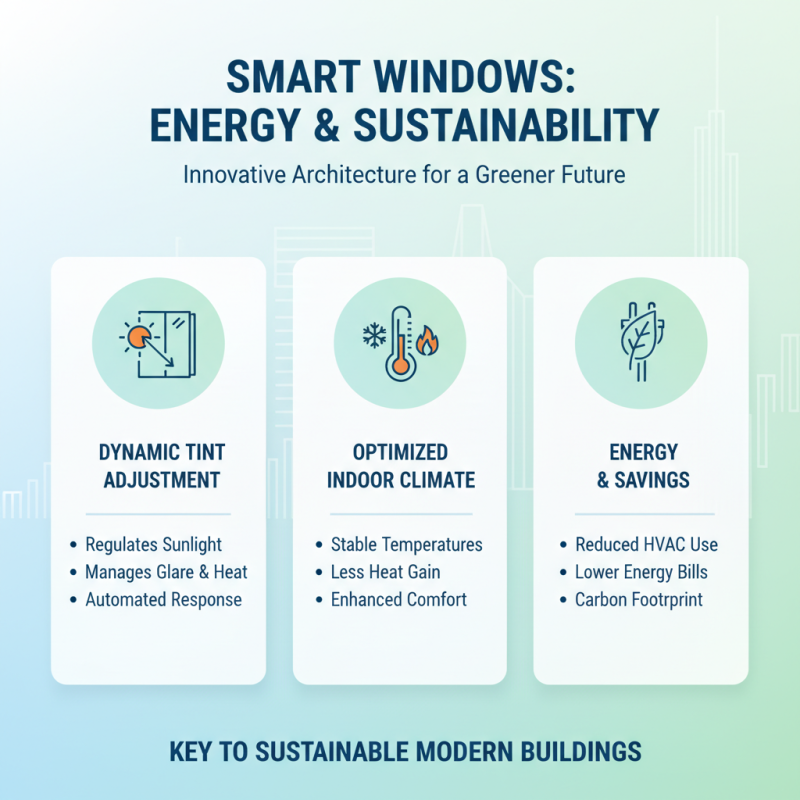
Smart windows play a crucial role in modern architecture. These windows can adjust their tint based on sunlight. This feature helps manage indoor temperatures. Consequently, they reduce the reliance on HVAC systems. Energy efficiency is a major benefit. Less energy consumption leads to lower utility bills.
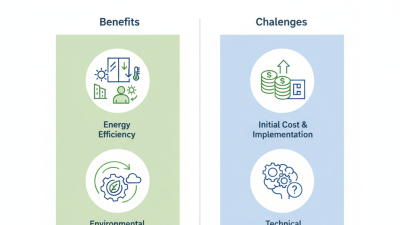
Moreover, smart windows enhance sustainability. They can significantly decrease carbon footprints. However, the technology is still evolving. Some installations may face technical challenges. Not all buildings are compatible with smart window systems. Retrofitting can be costly and time-consuming.
In areas with extreme weather, smart windows shine. They provide better insulation. During hot summers, they block heat. In winter, they retain warmth. Despite their advantages, not everyone is aware of smart windows. Education on their benefits is essential. Awareness can drive wider adoption and ultimately foster a greener future.
Future Trends in Smart Windows Technology in China
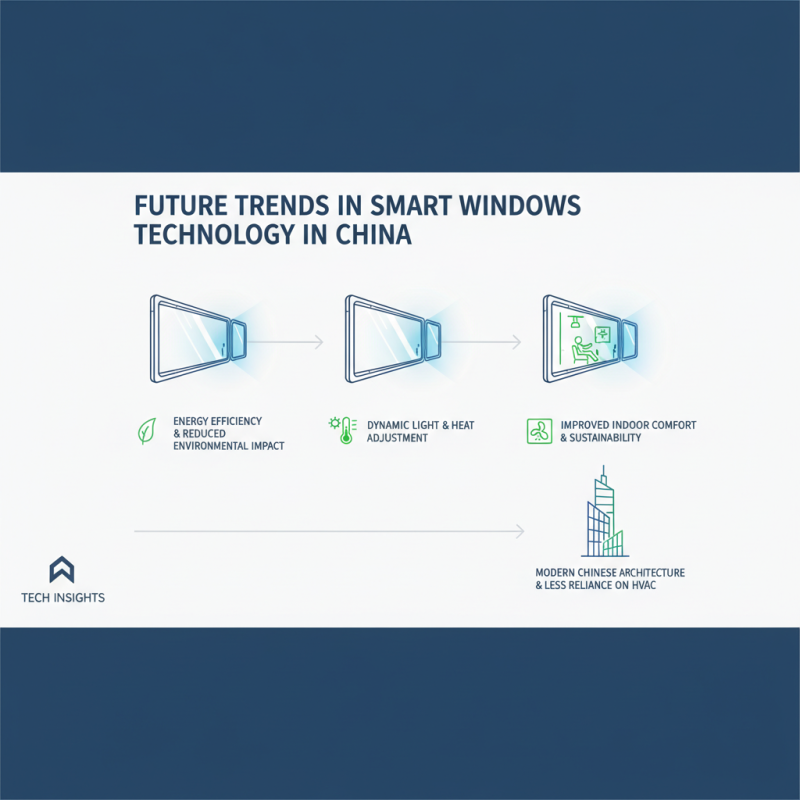
Smart windows technology is rapidly changing modern architecture in China. These innovations enhance energy efficiency, reduce environmental impact, and improve indoor comfort. Builders are increasingly adopting dynamic glass solutions that adjust light and heat levels. This adaptability makes buildings more sustainable and reduces reliance on HVAC systems.
Current trends indicate a shift towards smarter, more integrated designs. Advanced materials now allow for self-tinting windows that react to sunlight. This technology is not only aesthetically pleasing but also functional. However, this innovation brings challenges. The cost of production can be high, raising questions about long-term benefits. Maintenance and durability of smart windows also require careful consideration.
As the industry evolves, collaboration between architects and technology developers is crucial. Many designs still lack practicality and affordability. Addressing these concerns will determine the success of smart windows. Achieving a balance between innovation and cost-efficiency remains a vital goal for future projects in China.