Top Smart Sunroom Trends for Global Buyers in 2026?
As we look towards 2026, the demand for Smart Sunroom innovations continues to rise. Industry expert Dr. Emily Carter emphasizes, “The future of living spaces is deeply intertwined with smart technology.” This sentiment highlights the growing intersection of comfort and connectivity in modern architecture.
Smart Sunrooms are not just about aesthetics; they represent a shift in how we utilize space. Homeowners are increasingly seeking environments that are both functional and adaptable. The ability to control lighting, temperature, and even ventilation through smart systems adds an unprecedented layer of convenience. Yet, this evolution brings challenges. Many buyers remain unclear about the best technologies to implement.
Incorporating smart features requires careful planning. There are various factors to consider, including energy efficiency and user-friendliness. Buyers must navigate numerous options in technology, which can be overwhelming. A Smart Sunroom promises enhancements, but achieving that balance demands reflection and informed choices. This dynamic field is poised for growth, and understanding these trends is essential for future homeowners.
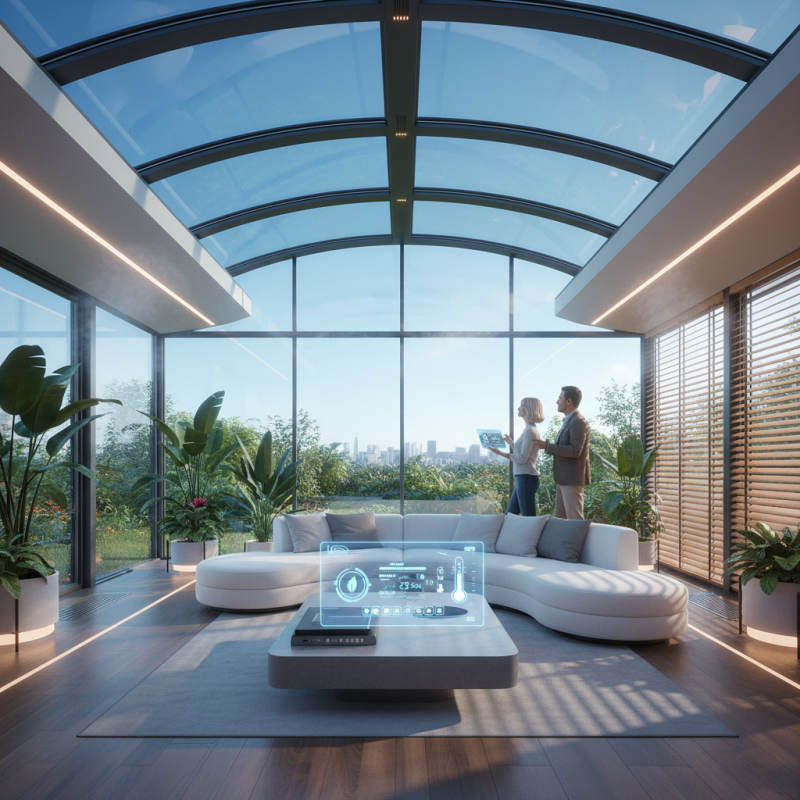
Top Smart Sunroom Trends: Embracing Sustainability in 2026
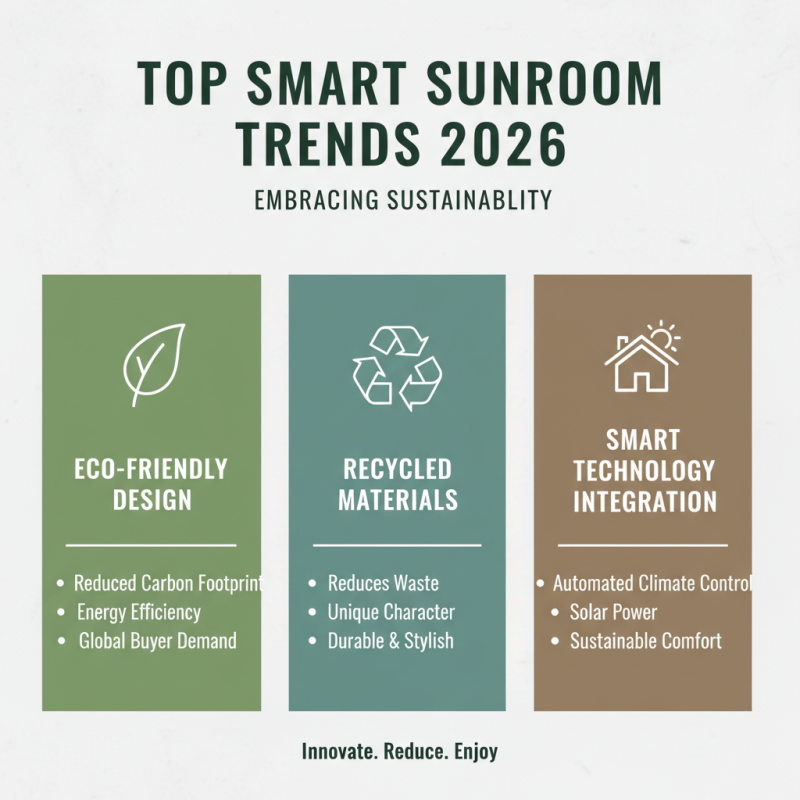
Sustainability is becoming essential in modern home design, especially for smart sunrooms. In 2026, many global buyers seek eco-friendly options that reduce their carbon footprint. One significant trend is the use of recycled materials. These materials not only lower waste but also add unique character to sunroom designs.
Energy-efficient windows and solar technology are also gaining traction. These features help maintain optimal temperature control while harnessing renewable energy. Homeowners can enjoy natural light without overwhelming heating costs. However, achieving this balance often requires careful planning and investment.
Another aspect to consider is smart technology integration. Homeowners can use smart sensors to monitor sunlight and temperature. Yet, these systems may require regular updates and maintenance. This need for upkeep can deter some buyers, leading to a reflection on the practicality of advanced features. Finding the right balance between sustainability and convenience will be pivotal for sunrooms in 2026.
Innovative Technological Integrations for Enhanced User Experience
Smart sunrooms are becoming increasingly popular as they integrate advanced technologies to enhance user experience. With the rise of smart home systems, a report from the Smart Home Market Research Group predicts that 45% of new sunroom installations will feature integrated smart technologies by 2026. These systems can improve temperature control, energy efficiency, and overall comfort.
One innovative integration is automated climate control. Sensors can detect temperature and humidity levels, adjusting HVAC systems accordingly. This feature not only promotes comfort but also significantly reduces energy consumption. Furthermore, data from the Environmental Design Research Association indicates that homes using smart climate controls can cut energy bills by 20% annually. However, reliance on technology can pose challenges, such as the need for regular maintenance and potential compatibility issues among devices.
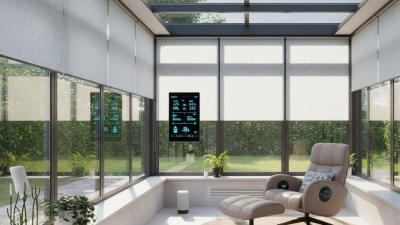
User-friendly interfaces in sunroom technology are also evolving. Touchscreen panels and mobile apps allow homeowners to control lighting, shades, and heating with ease. However, some users may find these systems overwhelming. A survey by the User Experience Research Institute revealed that 35% of participants struggled to navigate smart home apps effectively. Striking the right balance between high-tech solutions and user-friendliness remains crucial for the future of smart sunrooms.
Market Growth: Projecting a 7% Increase in Smart Sunroom Sales
The smart sunroom market is on a sharp upward trajectory, with projections indicating a 7% increase in sales by 2026. This growth aligns with emerging trends in sustainable living and enhanced home automation technologies. Consumers are increasingly interested in spaces that integrate nature with smart technology, optimizing energy efficiency and comfort.
Data from industry reports, like those from Allied Market Research, suggest that the global smart home market will reach over $150 billion in the coming years. A significant portion of this growth stems from smart sunrooms, which offer features like automated temperature control and energy-efficient windows. These innovations not only enhance comfort but also contribute to energy savings. Homeowners are drawn to the ability to harness natural light while maintaining control over their environments.
Tips for homeowners considering a smart sunroom include focusing on energy efficiency. Look for solar-responsive technologies that adjust based on sunlight exposure. Additionally, consider incorporating automated shading systems to manage heat and glare. Remember, the design can impact your home's value significantly, so prioritize function alongside aesthetics.
Top Smart Sunroom Trends for Global Buyers in 2026
| Trend |
Description |
Projected Growth (%) |
Key Features |
| Eco-Friendly Materials |
Incorporating sustainable, recyclable materials for construction. |
10% |
Bamboo, recycled aluminum, and solar panels. |
| Smart Glass Technology |
Windows that adjust tinting automatically based on sunlight. |
15% |
Electrochromic and photochromic glass. |
| Automated Climate Control |
Systems that regulate temperature and humidity automatically. |
12% |
Thermostats, sensors, and AI-driven systems. |
| Integration with Smart Home Systems |
Sunrooms that connect seamlessly with home automation systems. |
20% |
Voice control, app integration, and remote access. |
| Biophilic Design Elements |
Incorporating natural elements to enhance well-being. |
8% |
Indoor plants, water features, and natural light. |
Design Aesthetics: Blending Nature with Modern Architecture in 2026
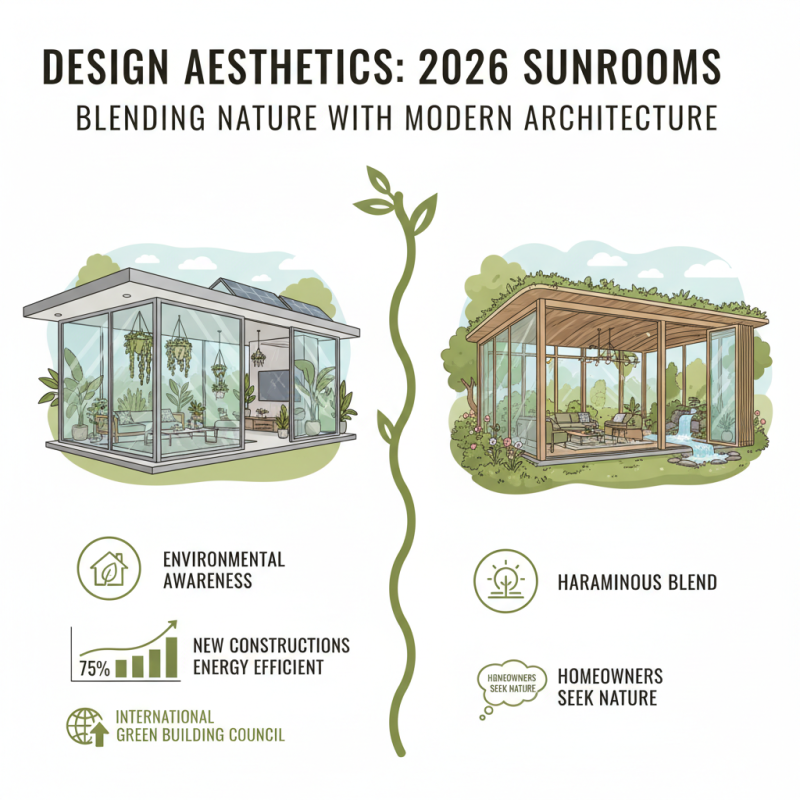
In 2026, the design aesthetics of sunrooms will embrace a harmonious blend of nature and modern architecture. Homeowners increasingly seek spaces that reflect environmental awareness. A recent study published by the International Green Building Council indicates that 75% of new constructions aim for energy efficiency. This trend is pushing architects to integrate natural elements into their designs.
Materials will evolve, with a growing preference for biophilic designs. Large glass panels, sustainable woods, and recycled materials will dominate. 68% of architects believe that natural light enhances well-being, making skylights and expansive windows essential. These features not only invite nature indoors but also create stunning visual impacts.
However, achieving this balance can be challenging. The complexity of design and construction can lead to unforeseen complications. Homeowners need to ensure proper thermal insulation and ventilation. Failure to address these issues may result in discomfort and increased energy costs. Reflecting on these aspects will be crucial in creating the ideal sunroom that complements both aesthetic and functional needs.
Consumer Preferences: Data Insights on Smart Features and Customization
In 2026, smart sunroom trends reflect a shift towards personalization and advanced technology. According to a recent industry report, 72% of consumers prioritize customization in sunroom features. Buyers seek solutions that fit their unique needs, focusing on functionality and aesthetics. Data shows that energy efficiency and integration with smart home systems are crucial factors influencing decisions.
Smart features, such as automated blinds and climate control, enhance user experience. Over 65% of potential buyers now demand such functionalities. These gadgets not only save energy but also provide comfort. High-quality materials and advanced insulation remain important for sustainability. Consumers expect reliable solutions that improve the usability of their sunrooms.
Tip: Consider your local climate when choosing features. For example, areas with high sun exposure might benefit from smart cooling systems. Explore customizable options for increased satisfaction. Reflect on your long-term needs. Are you planning to use the sunroom year-round or just in specific seasons? Thoughtful planning can lead to greater enjoyment and functionality.
Top Smart Sunroom Features Preferences for Global Buyers in 2026