Top 10 Smart Windows Features Buyers Need to Know?
In today's fast-evolving architectural landscape, Smart Windows stand out for their innovative features and energy efficiency. According to a report by the Global Smart Window Market, the demand for Smart Windows is projected to reach $84.55 billion by 2027. This surge highlights the importance of understanding their functionalities.
Industry expert Dr. Emily Torres, a renowned figure in smart technologies, states, "Smart Windows not only enhance aesthetic appeal but also significantly contribute to energy savings." These windows adjust to sunlight, reduce heating and cooling costs, and improve indoor comfort. Yet, despite their advantages, many consumers still hesitate to embrace these technologies fully.
As we delve into the top ten features of Smart Windows, it’s vital to recognize both their promise and limitations. Users should consider aspects like installation costs and maintenance. The benefits may be substantial, but awareness of potential drawbacks is crucial for making informed decisions. The future of architecture lies in smart innovations, making knowledge about Smart Windows ever more essential.
Understanding Smart Windows: A Comprehensive Overview
Smart windows are revolutionizing how we think about energy efficiency and comfort in our homes. These innovative windows can automatically adjust their tint based on sunlight intensity. This feature reduces glare and helps maintain a comfortable indoor temperature. Additionally, they offer enhanced privacy without sacrificing natural light, creating a more inviting living space.
When considering smart windows, note the installation process. Some systems require professional help, while others are user-friendly for DIY enthusiasts. Check if your windows are compatible with existing home systems. This compatibility can save time and money on future upgrades. Also, be mindful of maintenance requirements, as embedded technology may need special care.
For users, it’s essential to understand the energy savings potential. Smart windows can significantly cut down on heating and cooling costs. Keep in mind, though, that not every brand will offer the same efficiency. Thoroughly research and consult experts before making a decision. Look for certifications that verify energy performance. By choosing wisely, homeowners can enjoy the benefits of smart windows while minimizing their environmental footprint.
Key Features of Smart Windows That Enhance Energy Efficiency
Smart windows offer remarkable features that can significantly enhance energy efficiency. These windows use advanced technology to adapt to environmental changes. They can block heat in summer and retain warmth in winter, making homes more comfortable year-round.
Smart windows utilize electrochromic coatings. These coatings change their tint based on sunlight exposure. This feature reduces glare and lowers cooling costs by minimizing heat gain. Homeowners can see a noticeable reduction in energy bills over time. Automated controls provide precise management of light and temperature.
Tip: Regularly schedule maintenance checks. Over time, systems may work less efficiently. Keep sensors clean to ensure optimal performance.
Another important feature is the integration of smart home systems. Smart windows can connect with other devices. This allows users to manage light and temperature from their smartphones. It creates a seamless living environment. With the right setup, homes can adapt instantly to changing weather conditions.
Tip: Consider a programmable system. Program windows to respond to weather forecasts, maximizing energy savings.
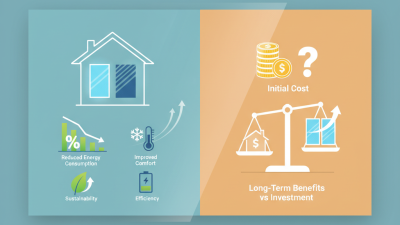
Incorporating these features can lead to substantial long-term savings. However, the initial investment may require careful budgeting. Weigh the costs against potential benefits before deciding.
Safety and Security Innovations in Smart Windows
Smart windows bring notable advancements in safety and security. These innovations include features like automatic locking systems and shatter-resistant glass. Reports indicate that homes with smart window systems can see a significant reduction in break-ins. About 30% of burglaries are through unlocked doors or windows. Smart windows can deter potential intruders effectively.
Moreover, smart windows can integrate with home security systems. They can alert homeowners to unusual activities. A study showed that homes using such technologies have a 60% lower risk of being targeted. They also enhance privacy at the touch of a button. Homeowners can quickly adjust transparency levels with smart technology.
Tip: Regular maintenance is essential. Check and test the locking mechanisms periodically. Ensure that sensors are functioning well. Additionally, educate family members on using these systems effectively. Understanding safety features is crucial in emergencies.
Smart Window Technologies Supporting Home Automation
Smart window technologies are transforming home automation. These features enhance natural light, improve energy efficiency, and offer convenience. Imagine windows that adjust their tint based on sunlight. This not only regulates indoor temperature but also protects furniture from UV damage.
Automated systems can be linked to home networks, allowing for remote control. Users can adjust the window settings through smartphones or voice commands. However, implementation can be complex. Integration with existing home systems may not always be seamless. Sometimes, the technology fails to perform as expected, leading to frustrations.
Homeowners should consider the specific needs of their space. Energy savings might not justify the installation cost for everyone. Investing in smart windows could be beneficial but requires thoughtful planning. Balancing automation with user experience is crucial.
Top 10 Smart Windows Features Buyers Need to Know
This chart illustrates the top 10 smart window features that homebuyers should consider, highlighting their popularity ratings based on consumer interest. Features such as automatic tinting and energy efficiency are leading preferences, while privacy control and weather adaptation have slightly less appeal among buyers.
Cost Considerations and Return on Investment for Smart Windows
When considering smart windows, cost and return on investment (ROI) are pivotal. Although the initial setup can be costly, studies suggest that smart windows can reduce energy bills by up to 30%. A report from the U.S. Department of Energy found that these windows enhance energy efficiency, ultimately leading to significant savings over time.
Investing in smart windows often leads to increased property value. According to a study by the National Association of Realtors, homes equipped with energy-efficient features can see a price increase of up to 10%. Furthermore, their aesthetic appeal can attract potential buyers. This dual advantage is critical for homeowners considering a long-term investment.
Tip: Always evaluate the lifespan of smart windows technology. The cost-effectiveness of an installation is directly linked to its longevity.
Consider potential maintenance costs as well. Smart windows may need specific servicing, which can add to expenses.
Tip: Compare different financing options. Some installations may offer incentives or rebates, which could significantly improve the ROI.