Best Smart Windows Innovations for Energy Efficiency?
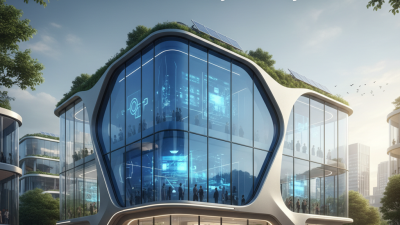
In the quest for energy efficiency, "Smart Windows" have emerged as a transformative technology. Experts regard them as the future of sustainable architecture. Dr. Emily Johnson, a leading researcher in energy-efficient design, states, “Smart Windows can significantly reduce energy consumption.” This innovation alters how we interact with sunlight and indoor climates.
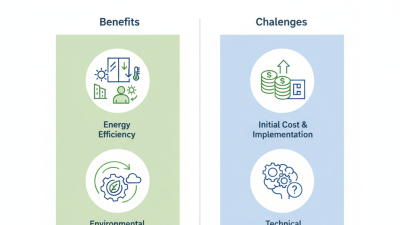
Smart Windows utilize advanced materials to adjust their transparency. By blocking heat during hot months and allowing light in during winter, they provide comfort and reduce reliance on HVAC systems. This feature can lead to significant energy savings in residential and commercial spaces. However, as with any technology, there are challenges. Initial costs may be high, and not all buildings are suited for retrofitting.
The potential of Smart Windows is undeniable, yet the market is still maturing. Some installations have shown disappointing results, highlighting the variability in effectiveness. Continuous research is necessary to maximize their benefits and address user concerns. As Smart Windows become more widespread, ongoing evaluation of their performance will be essential for a sustainable future.
Advancements in Smart Window Technologies for Energy Management
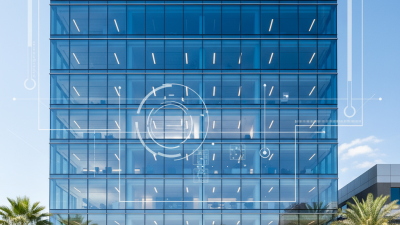
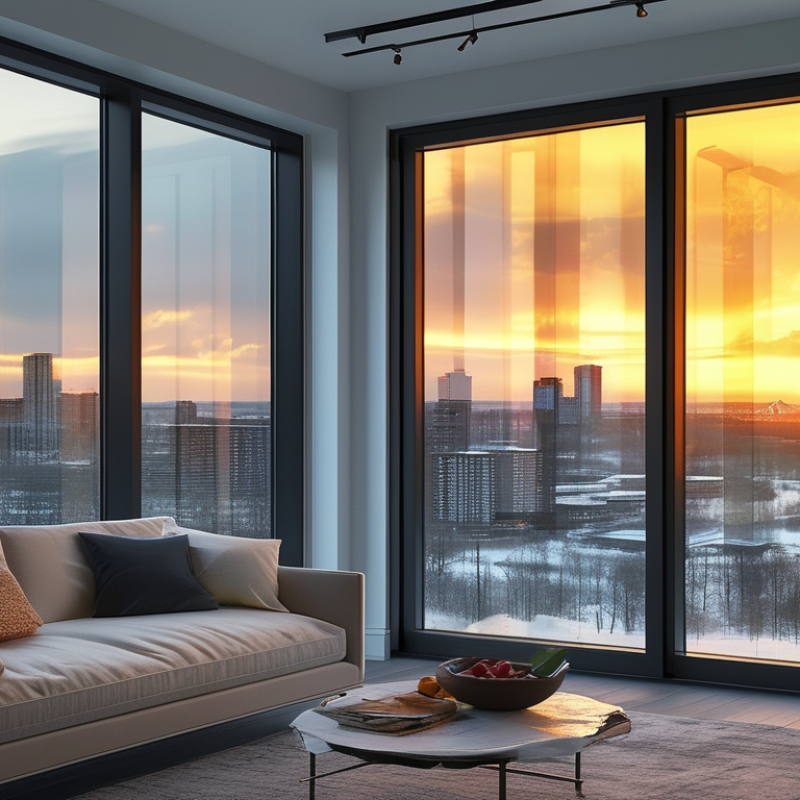
Smart window technologies are revolutionizing energy management in buildings. These innovations allow windows to adapt to environmental conditions. By utilizing advanced materials and sensors, smart windows can control heat and light, enhancing energy efficiency.
Tips: Consider the orientation of your windows. South-facing windows capture more sunlight, which can be beneficial in colder climates. Ensure your smart window system is integrated with your heating and cooling systems for optimal performance.
Recent advancements include electrochromic glass and thermochromic technologies. These windows change tint based on temperature or light intensity. This dynamic response minimizes reliance on artificial lighting and reduces cooling loads.
Tips: Regular maintenance is vital. Check and clean window sensors to ensure accuracy. Remember, energy-saving devices need updates too. Keep your technology current for the best results.
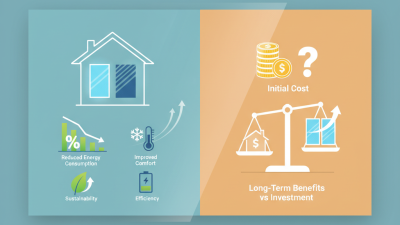
Implementing smart windows can significantly lower energy bills. However, their initial cost may deter some. Reflect on your long-term savings versus upfront investments. Each building has unique needs. Tailor your energy solutions accordingly.
Key Features of Smart Windows Enhancing Energy Efficiency
Smart windows are revolutionizing energy efficiency in modern buildings. These innovations feature dynamic glass technology that adjusts to light and temperature. Reports indicate that when implemented, smart windows can reduce energy consumption by up to 30%. They work by using electrochromic materials, which change tint based on sunlight intensity. This helps regulate indoor temperatures, minimizing the need for heating and cooling systems.
Moreover, some smart windows utilize spectrally selective coatings. These coatings allow natural light in while blocking harmful UV rays and excessive heat. By rejecting up to 90% of solar heat, they enhance comfort and reduce reliance on air conditioning. Research shows that buildings equipped with such windows can achieve energy savings of approximately 20-40% annually. However, the initial cost of installation can be a barrier for many consumers.
While the technology is impressive, it is not without its challenges. For instance, maintenance of smart windows can be more complex than traditional glass. The long-term reliability of advanced functionalities needs further study. There are also concerns about how these windows perform in extreme weather conditions. Despite these imperfections, smart windows remain a cornerstone in the pursuit of energy efficiency.
Applications of Smart Windows in Residential and Commercial Buildings
Smart windows are transforming both residential and commercial buildings. These windows can automatically adjust their tint based on sunlight. This technology reduces the need for artificial lighting and can save significant energy. According to the U.S. Department of Energy, smart windows can reduce energy consumption by up to 30%.
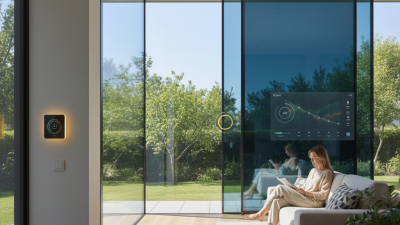
In homes, smart windows create a comfortable living space. They help regulate indoor temperatures, making heating and cooling systems more efficient. In commercial buildings, smart windows enhance office productivity by providing optimal natural light. A study from Lawrence Berkeley National Laboratory showed that workplaces with smart windows can improve employee satisfaction and performance by 15%.
Tips: Consider installing smart window technology with a focus on orientation. Windows facing the sun can take full advantage of daylighting, reducing reliance on electricity. Regular maintenance is essential as well. Check sensors and operational components to ensure they function correctly. Overlooking this can lead to decreased efficiency.
Best Smart Windows Innovations for Energy Efficiency
This chart illustrates the energy savings associated with various smart window technologies used in residential and commercial buildings. The data displays the percentage of energy reduction achieved through different innovations.
Impact of Smart Windows on Renewable Energy Integration
Smart windows offer innovative solutions for enhancing energy efficiency and integrating renewable energy sources. By adjusting light transmission based on environmental conditions, these windows minimize heating and cooling needs. This adaptability can lead to notable energy savings in residential and commercial buildings. Plus, smart windows can optimize indoor lighting, reducing reliance on artificial sources.
A significant benefit of smart windows is their role in renewable energy integration. They can be synchronized with solar energy systems. When windows tint automatically on sunny days, they reduce the cooling load. This efficiency allows more solar energy to be stored and used later. Smart technology can also provide real-time data, helping homeowners and businesses adjust their energy use more effectively.
Tip: Consider using smart window technology in tandem with solar panels to maximize energy efficiency. This combination can significantly lower utility costs and reduce your carbon footprint. Another tip is to assess your building's specific needs before installation. Not all smart windows are equal, and understanding your local climate is crucial.
Best Smart Windows Innovations for Energy Efficiency
| Innovation Type |
Description |
Impact on Energy Efficiency (%) |
Potential for Renewable Energy Integration |
| Electrochromic Glass |
Changes tint in response to voltage to control solar heat gain. |
30% |
High |
| Photochromic Glass |
Automatically darkens in response to sunlight. |
20% |
Medium |
| Thermochromic Windows |
Changes tint with temperature to regulate heat transfer. |
25% |
Medium |
| Smart Tint |
A smart film that can go from transparent to opaque. |
15% |
Low |
| Dynamic Insulation Systems |
Adjusts insulation levels based on external conditions. |
35% |
High |
Future Trends in Smart Windows for Sustainability and Energy Savings
Smart windows are redefining energy efficiency, aligning with sustainability goals. One innovative feature is dynamic glazing, which adjusts transparency based on sunlight. This can reduce reliance on artificial lighting. Homeowners can save on electricity bills. Yet, the initial investment can be a barrier for some.
Another trend is the integration of sensors. These devices monitor indoor temperature and light levels. They adjust window settings automatically, enhancing comfort and energy savings. However, the technology is still evolving. Some users report connectivity issues. This can lead to frustration, highlighting the need for better reliability.
Moreover, smart windows can utilize renewable energy sources. Solar control films can capture sunlight, converting it into usable energy. This adds value to the home and reduces carbon footprints. Yet, these technologies may not be affordable for everyone. The market must focus on accessibility to drive widespread adoption.