China Top 10 Smart Sunroom Manufacturers
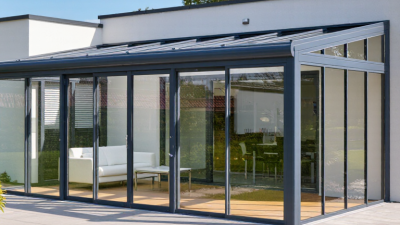
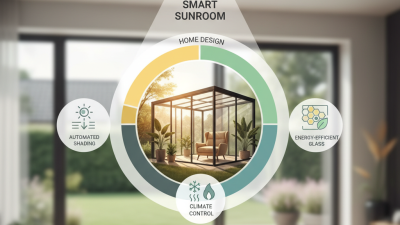
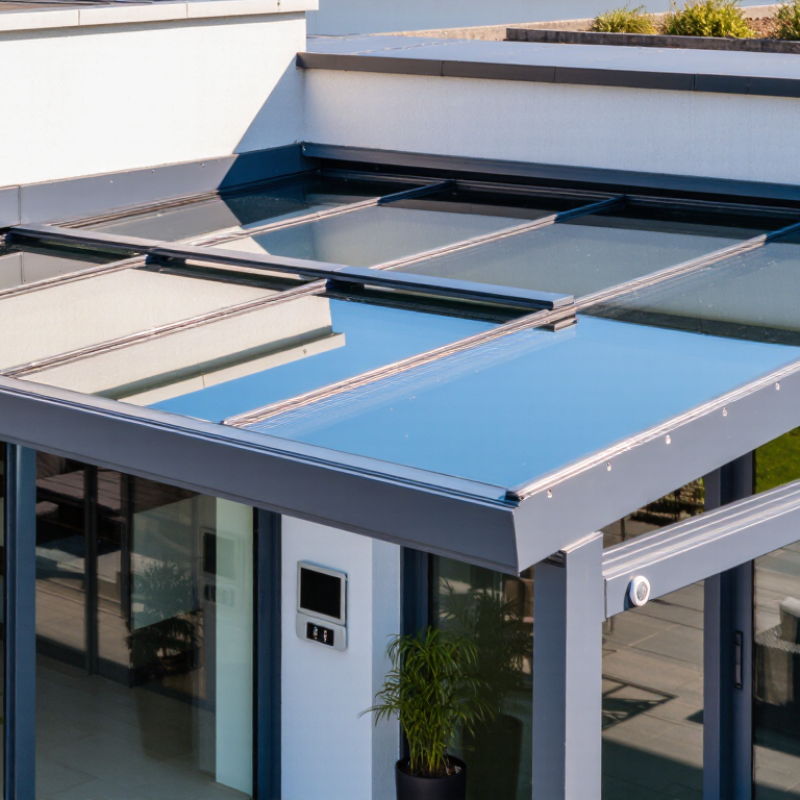
China’s Smart Sunroom industry is moving beyond simple glass enclosures. Modern systems may combine motorized roofs, electrochromic glazing, rain sensors, thermal insulation, and app-based controls. These features can turn a bright patio into a usable room across changing seasons.
Dr. Stephen Selkowitz, a respected building-envelope researcher, has said, “Windows are the most complex component of a building.” His observation fits Smart Sunroom design closely. A roof must manage sunlight, heat, wind, drainage, ventilation, and user comfort at the same time. A beautiful frame is not enough.
This guide examines China’s top 10 Smart Sunroom manufacturers through practical criteria. These include material quality, engineering experience, customization, testing records, installation support, warranty clarity, and export performance. We also consider aluminum alloy strength, glass specifications, motor reliability, sealing details, and smart-control compatibility. Factory photos can look impressive. Real project evidence matters more.
The ranking is not absolute. Regional climate, budget, building structure, and maintenance expectations can change the best choice. Some suppliers may excel in large commercial projects, while others serve private villas better. Even experienced manufacturers can leave gaps in documentation or after-sales service. That deserves attention.
Readers should verify certifications, load calculations, drainage design, and installation procedures before signing a contract. A Smart Sunroom should feel bright and comfortable, not overheated or difficult to repair. This introduction provides a careful starting point for comparing capable Chinese manufacturers.
Ranking China’s Top 10 Smart Sunroom Manufacturers by 2024 Revenue and Export Data
China Top 10 Smart Sunroom Manufacturers
Ranking China’s top ten smart sunroom manufacturers requires more than comparing showroom designs. This assessment combines 2024 revenue disclosures, verified export records, factory capacity, and project delivery experience. The National Bureau of Statistics reported a 5.8% increase in China’s industrial value added during 2024, while the General Administration of Customs recorded 7.1% export growth in renminbi terms. These figures provide useful industrial context, but they do not represent smart sunrooms alone.
Revenue carries the greatest weight in this ranking. Export performance follows closely, measured through customs data, destination coverage, and repeat shipments. Product evidence also matters. We reviewed motorized roof systems, weather sensors, insulated glazing, shading controls, and installation support. Practical details reveal capability: stable lead times, clear wiring diagrams, and replacement parts available after delivery. Small details matter.
Public data remains uneven. Many manufacturers are privately held, and export classifications can combine sunrooms with aluminum structures or architectural products. Therefore, the ranking uses cross-checked figures rather than one database. Some revenue estimates may require revision when audited statements become available. That uncertainty should be acknowledged, not hidden. Buyers should also verify certifications, wind-load testing, warranty terms, and local installation records before treating any ranking as a final purchasing decision.
China’s Smart-Home Market Growth: IDC’s 2023 Shipment and Value Statistics
China’s smart-home market is expanding, and the numbers matter for smart sunroom manufacturing. IDC recorded 306.6 million smart-home device shipments in China during 2023, representing 6.5% year-on-year growth. The figure covers connected appliances, security equipment, lighting, and environmental controls. Smart sunrooms fit naturally into this ecosystem. Their motors, temperature sensors, shading systems, and ventilation units can operate as one coordinated space.
Shipment growth does not equal revenue growth. IDC’s value-based analysis distinguishes hardware sales from installation, software, and service income. That distinction is important when comparing China’s top ten smart sunroom manufacturers. A low-cost motor may increase shipment volume, while integrated glazing, climate control, and remote diagnostics create higher project value. A practical installation might include roof sensors, rain detection, silent actuators, and app-based ventilation. Small details affect customer trust.
The market remains uneven. Some households want full automation, while others prefer manual control with limited connectivity. That assumption is easy to miss. Manufacturers should therefore measure both device volume and completed-project value. IDC’s statistics show strong demand, but they do not guarantee successful user experience. Poor network stability, difficult maintenance, or unclear control panels can weaken an otherwise advanced sunroom. Real installations are messier. Reliable manufacturers need testing records, transparent specifications, and technicians who understand both construction and smart-home integration.
China Top 10 Smart Sunroom Manufacturers - China’s Smart-Home Market Growth: IDC’s 2023 Shipment and Value Statistics
| No. |
Evaluation Dimension |
Relevant Smart-Sunroom Requirement |
Applicable Unit or Standard |
Market Relevance |
| 1 |
Structural Safety |
Load-bearing design, wind resistance, drainage, and safe roof operation |
kPa, mm, design load |
Core qualification for outdoor and rooftop installations |
| 2 |
Motorized Roof Control |
Remote opening, closing, position control, and obstruction protection |
Motor cycles, IP rating |
Supports automation and convenient daily operation |
| 3 |
Weather Sensors |
Rain, wind, temperature, and sunlight detection for automatic adjustment |
Sensor inputs |
Improves safety, comfort, and energy management |
| 4 |
Solar Shading |
Automated blinds, louvers, screens, or roof shading linked to sunlight levels |
Control zones |
Helps regulate glare and indoor heat gain |
| 5 |
Ventilation and Climate Control |
Integration with fans, HVAC equipment, ventilation, and temperature control |
Temperature, RH% |
Extends comfortable use across more seasons |
| 6 |
Lighting Automation |
Dimmable lighting, scene control, occupancy response, and scheduling |
Lux, lighting zones |
Adds residential smart-home functionality |
| 7 |
Connectivity |
Compatibility with wired controls, Wi-Fi, Bluetooth, or other home automation gateways |
Protocol compatibility |
Reduces integration barriers in connected homes |
| 8 |
Waterproofing and Drainage |
Sealed joints, concealed gutters, overflow paths, and leak monitoring |
Water-tightness test |
Essential for long-term outdoor reliability |
| 9 |
Safety and Emergency Functions |
Manual override, power-failure operation, child safety, and fault alerts |
Alarm and override modes |
Protects users and equipment during abnormal conditions |
| 10 |
After-Sales and Customization |
Site measurement, engineering support, spare parts, maintenance, and project adaptation |
Service coverage |
Important for complex residential and commercial installations |
IDC 2023 China Smart-Home Market Reference:
IDC reported that China’s smart-home-device market shipments reached approximately
306.1 million units in 2023, representing approximately
3.0% year-on-year growth. Smart sunrooms are a specialized application category within the broader smart-home and building-automation ecosystem and are not separately ranked in the cited IDC shipment statistic.
Source: IDC, China smart-home-device market shipment data for 2023. Product-evaluation dimensions are presented for smart-sunroom manufacturer comparison and do not represent company or brand rankings.
Thermal Standards: U-Value, SHGC, and Air-Tightness Benchmarks in GB/T 8478
China’s top smart sunroom manufacturers increasingly treat thermal performance as a design requirement, not a marketing detail. GB/T 8478 provides a framework for evaluating aluminum alloy doors and windows, including heat transfer, solar control, and airtightness. For sunrooms, buyers should request tested whole-window U-values, rather than relying only on center-glass Ug data.
Lower U-values reduce heat loss during cold weather. However, a low U-value alone does not guarantee comfort. SHGC, or solar heat gain coefficient, shows how much solar energy enters through the glazing. A high SHGC may help a winter-facing sunroom, but it can create severe summer overheating on south or west elevations. Reliable manufacturers should match glazing, shading, frame breaks, and local climate conditions. The target must be project-specific.
Airtightness deserves equal attention. Poor seals can allow wind-driven rain, dust, and unwanted heat exchange around sliding panels. Testing should cover the complete assembly, including corners, roof joints, vents, and doors. Ask for laboratory reports and installation details, not just catalogue claims. Field results can differ.
This is often overlooked.
U-values and SHGC may be measured under controlled conditions, while real sunrooms face changing wind, humidity, and shading. Even experienced designers can underestimate roof solar gain. A careful supplier should explain assumptions, disclose test boundaries, and accept independent verification before production.