Top System Doors in China for Global Buyers to Consider?
In the competitive landscape of construction materials, "System Doors" have gained immense popularity in China. Renowned expert, Dr. Liu Wei, an industry veteran, states, "The quality of System Doors can greatly influence both aesthetics and functionality." This emphasizes the critical role these doors play in modern architecture.
China offers a diverse range of System Doors that attract global buyers. These doors are designed for different environments, demonstrating versatility and practicality. They are crafted from high-quality materials, ensuring durability and resistance. However, some buyers may overlook the importance of selecting the right specifications for their projects.
While the market is abundant, challenges remain. Many options can lead to choice overload. It is crucial to assess each product's features and their impact on overall design. Buyers should seek expert advice to navigate these complexities effectively. Investing time in understanding System Doors can result in long-term benefits for any project.
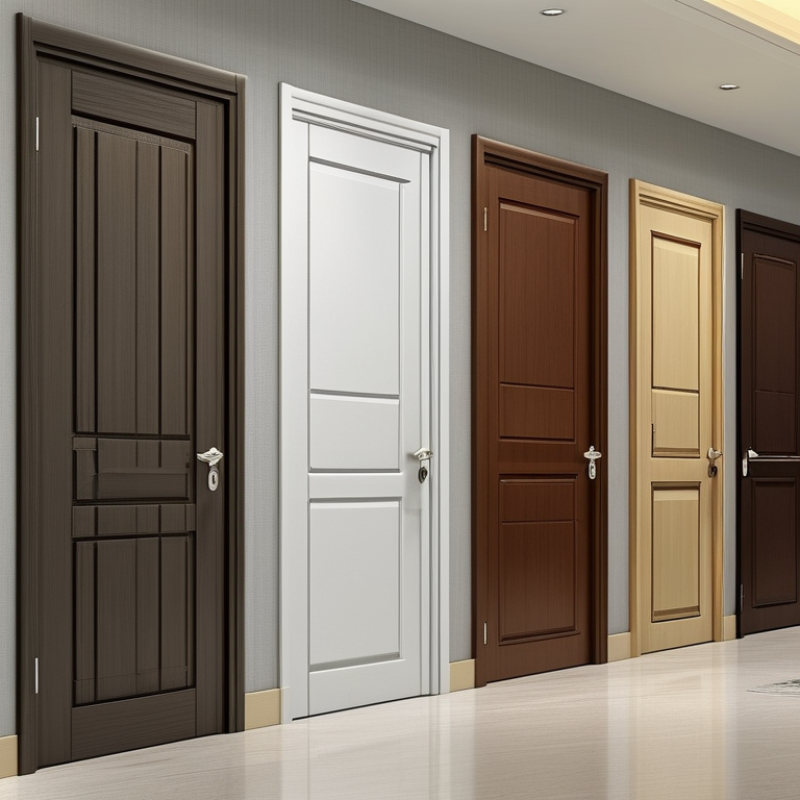
Overview of System Doors in China
The system door market in China has witnessed substantial growth over recent years. According to a report by Mordor Intelligence, the market is projected to grow at a CAGR of 5.6% from 2021 to 2026. This rise is fueled by increased demand for advanced materials in construction, particularly for residential and commercial projects. The adaptation to eco-friendly and sustainable options is shaping consumer choice, pushing manufacturers to innovate.
In 2022, the overall production of system doors in China reached over 500 million units, driven by urbanization and infrastructure development. This trend highlights designers' and constructors' eagerness to integrate modern aesthetics with functionality. Yet, there remains a significant skill gap in the workforce. Many manufacturers struggle with quality control, which can undermine the overall reliability of the product.
Additionally, market entry barriers for global buyers can be opaque. Some local regulations often create hurdles that complicate international trade. Understanding these dynamics is essential for foreign buyers to make informed decisions. Navigating the complexities of supply chains and compliance requirements can be daunting, yet some avenues exist for collaboration and improvement. Addressing these challenges can foster a better market environment for both local and international stakeholders.
Key Features of Top System Doors
When considering system doors, buyers should focus on key features that enhance functionality. One important aspect is insulation. Quality system doors offer thermal and acoustic insulation, which benefits energy efficiency. Another feature is durability. Weather-resistant materials ensure the doors withstand environmental stresses over time.
Tips for selecting the right system door include checking the warranty. A longer warranty often reflects a manufacturer's confidence in their product. Look for doors that are easy to install and maintain. Some systems offer a DIY installation option, which can save costs.
Security features also deserve attention. Multi-point locking systems provide extra protection for homes and businesses. Ensure that the design complements your architecture. A well-chosen system door can elevate aesthetics while serving practical needs. Reflect on the specific requirements of the space. The right door must fit both style and functionality.
Top System Doors in China for Global Buyers
Leading Manufacturers of System Doors in China
When considering system doors, China stands out with a variety of options. The market boasts several leading manufacturers known for their expertise. These companies offer a range of styles, materials, and functionalities tailored to different needs. Their experience in design and production is commendable. It contributes to the high quality of their products.
These manufacturers often utilize advanced technology. This enhances the durability and efficiency of their system doors. Many focus on energy efficiency, an important factor for global buyers today. However, buyers should be cautious. Not all products may meet international standards. Conducting thorough research is essential to ensure quality.
Moreover, the design aesthetic plays a crucial role. Different manufacturers emphasize various styles, which can affect the architectural harmony of a space. Some doors may offer innovative features, while others might lack user-friendly designs. This variability can be a challenge for buyers. Balancing aesthetics and functionality is key to making informed decisions.
Market Trends for System Doors in Global Trade
The market for system doors in global trade is evolving rapidly. As countries focus on urbanization and infrastructure development, the demand for high-quality doors is increasing. Buyers are looking for versatile, durable options that can cater to modern architectural needs. Each region presents its trends, influenced by local aesthetics and building regulations.
In China, manufacturers are adopting advanced technologies. This effort enhances functionality while maintaining competitive pricing. Emerging materials, like lightweight composites, are becoming popular. However, sustainability remains a concern. Many manufacturers report challenges in sourcing eco-friendly materials that meet international standards.
Another key trend is the rise of smart system doors. These products incorporate technology for enhanced security and convenience. Buyers are often uncertain about the long-term reliability of these innovations. Traditional designs still hold a significant market share, as some clients prioritize proven performance. Manufacturers must balance innovation with tried-and-true designs, highlighting the dynamic nature of this market.
Top System Doors in China for Global Buyers to Consider
| Type of System Door |
Material |
Market Growth Rate (2023) |
Export Volume (units) |
Average Price (USD) |
| Sliding Doors |
Aluminum |
8.5% |
150,000 |
250 |
| Bi-fold Doors |
Wood |
6.2% |
80,000 |
300 |
| Hinged Doors |
Steel |
5.0% |
200,000 |
150 |
| Pocket Doors |
Composite |
7.1% |
60,000 |
400 |
| French Doors |
PVC |
4.8% |
90,000 |
220 |
Buying Considerations for International Buyers
When considering system doors from China, international buyers must focus on several key factors. Quality is paramount. Look for doors that meet international standards. Inspect materials for durability and weather resistance. Also, consider the manufacturing processes. Sustainable practices are a plus.
Cost is another critical aspect. Different suppliers have varying price points. However, the cheapest option may not offer the best value. Analyze the cost in relation to quality and longevity. Shipping and customs duties can add to the total expenditure. It’s essential to factor these into your budget.
Finally, communication is vital. Language barriers can lead to misunderstandings. Ensure that the supplier provides clear, concise information. Check their responsiveness to inquiries. A reliable supplier should be transparent about timelines and production capabilities. Evaluate all these aspects to make informed purchasing decisions.