Top Types of Glass Doors for Modern Homes and Offices?
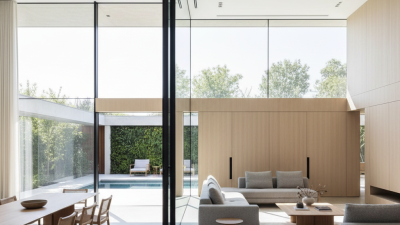
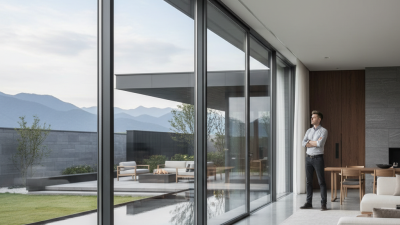
In modern architecture, the appeal of glass doors has grown significantly. According to a recent study by the American Institute of Architects, 70% of homeowners prefer homes with large glass installations. Glass doors not only enhance aesthetics but also improve natural light flow. They create a seamless transition between indoor and outdoor spaces, which is highly sought after in contemporary design.
However, the choice of a glass door requires careful consideration. While they can elevate a home's value and appearance, issues such as energy efficiency and safety cannot be overlooked. Reports indicate that while tempered glass can reduce risks, many homeowners are still unaware of appropriate safety standards. This highlights the need for both knowledge and expertise when selecting the right glass door solutions.
Ultimately, each choice carries implications that deserve mindfulness. The aesthetic benefits are clear, yet the challenges must also be addressed. A glass door can be a striking feature, but one must weigh the pros and cons thoughtfully.
Types of Glass Doors Commonly Used in Contemporary Architecture
Glass doors are becoming increasingly popular in modern architecture for their aesthetic appeal and functionality. A recent report by the American Institute of Architects revealed that nearly 70% of new commercial buildings incorporate glass doors in their designs. This trend is also reflected in residential settings, where homeowners seek to create open, light-filled spaces.
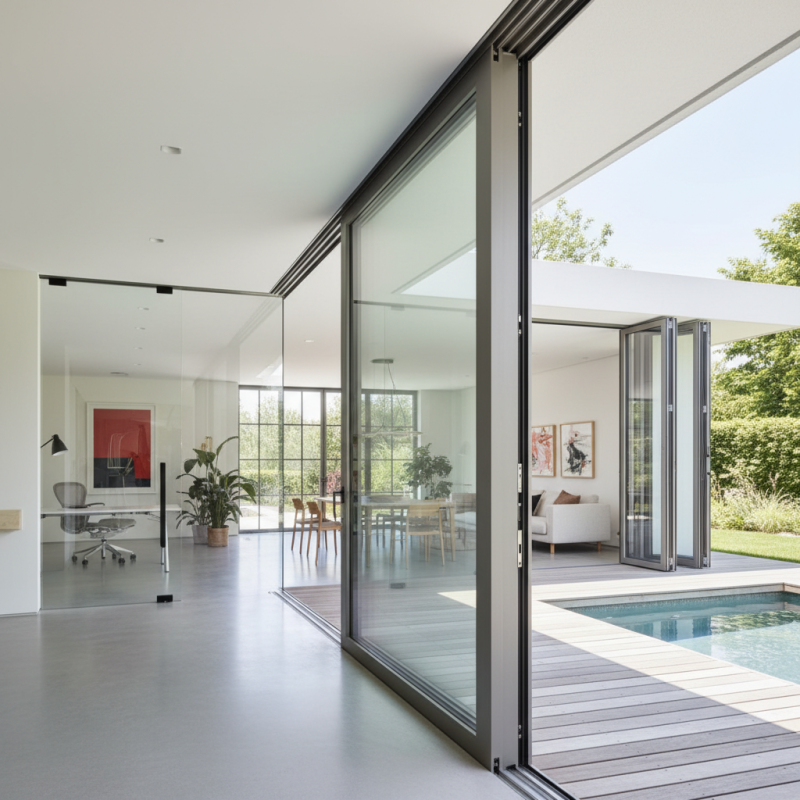
Among the types of glass doors commonly used today, sliding doors stand out. These doors provide easy access and optimal natural light. Yet, their installation can be tricky, and improper alignment may lead to performance issues.
Folding glass doors have also gained traction, especially for patios, as they allow for a seamless transition between indoor and outdoor spaces. However, quality materials are essential to ensure durability and security.
Another noteworthy type is bi-fold doors, which are popular in both homes and offices. They offer flexibility in space usage but may require additional maintenance. According to a study by the National Glass Association, the growing interest in these doors reflects a shift in design philosophy that prioritizes openness and connectivity.
Still, the cost associated with high-quality glass doors can be a concern for some clients, warranting careful financial considerations.
Benefits of Installing Glass Doors in Modern Homes and Offices
Glass doors serve as a stunning addition to modern homes and offices. They offer an elegant solution that enhances both aesthetics and functionality. One key benefit is natural light. Large glass panels flood spaces with sunlight, creating a warm and inviting atmosphere. This brightness can improve mood and productivity, particularly in office environments.
Another significant advantage is the illusion of space. Glass doors can make small areas feel larger by reducing visual barriers. This openness encourages a seamless flow between rooms. However, privacy remains a concern. Using frosted or tinted glass can provide a solution, offering a balance between openness and seclusion.
Moreover, glass doors are energy-efficient when designed with proper insulation. They help maintain indoor temperatures, reducing energy consumption. However, the cost of installation can be high. Homeowners may need to weigh the upfront investment against long-term savings. Regular maintenance is also essential, as glass can show fingerprints and smudges. Balancing beauty, function, and practicality is vital when integrating glass doors into a space.
Key Design Features of Popular Glass Door Styles
Glass doors are becoming more popular for modern homes and offices. They blend functionality with aesthetic appeal. Various styles are available, each with unique design features to enhance your space.
One popular style is the sliding glass door. These doors save space and provide seamless indoor-outdoor transitions. They can be equipped with energy-efficient glazing, enhancing thermal performance. Research from the National Association of Home Builders indicates that energy-efficient features are a top priority for 80% of new homeowners.
Another choice is the bi-fold door. This design opens up completely, creating an open space for entertaining. The ability to fold back significantly increases natural light. A study published in the Journal of Architectural Research highlights that good lighting can improve mood and productivity by 20%.
When choosing glass doors, consider the framing material. Aluminum offers durability, while wooden frames provide a warmer look but may require more maintenance. Ensure that the glass is tempered for safety.
Tips: Always check local building codes regarding glass door installations. They might have specific requirements for safety or energy efficiency. For better aesthetic appeal, think about tinted glass, which adds privacy while allowing light in. Choose hardware that complements your décor, enhancing the overall look of your space.
Top Types of Glass Doors for Modern Homes and Offices - Key Design Features of Popular Glass Door Styles
| Type of Glass Door |
Material |
Design Style |
Key Features |
Ideal Use |
| Sliding Glass Door |
Tempered Glass |
Contemporary |
Space-saving, easy access |
Patios, balconies |
| Folding Glass Door |
Aluminum Frame with Glass Panels |
Modern |
Seamless transition between indoors and outdoors |
Terraces, gardens |
| French Glass Door |
Double Glazed Glass |
Classic |
Elegant design, often with grids |
Living rooms, dining spaces |
| Bi-Fold Glass Door |
Aluminum or Wood Frame |
Modern |
Open as wide as needed, excellent ventilation |
Kitchens, lounges |
| Pivot Glass Door |
Heavy-Duty Glass |
Industrial |
Unique opening mechanism, minimalistic look |
Entrances, offices |
Installation Considerations for Glass Doors in Residential and Commercial Spaces
When considering the installation of glass doors, several factors must be evaluated. The type of space, whether residential or commercial, plays a crucial role. In 2020, around 70% of architects reported incorporating glass doors in modern designs, highlighting their popularity. Their aesthetic appeal can enhance natural light, but practicality also matters. For example, flooring types can impact door function. If the floor is uneven, it could affect door alignment.
Safety is another essential consideration. Tempered glass is highly recommended for its strength and shatter-resistance. Reports indicate that tempered glass can withstand up to five times more force than standard glass. Proper installation techniques are vital to ensure durability and performance. Engaging with professional installers can mitigate risks. They ensure that the frame is securely mounted and that the door seals are effective.
In commercial settings, traffic flow is often a concern. Glass doors should not impede movement. Studies suggest that 40% of businesses experienced increased foot traffic after installing glass doors. Yet, sound insulation could be a drawback. Glass does not naturally block noise, which may require additional solutions in bustling environments. Balancing design and functionality is key.
Maintenance Tips for Prolonging the Lifespan of Glass Doors
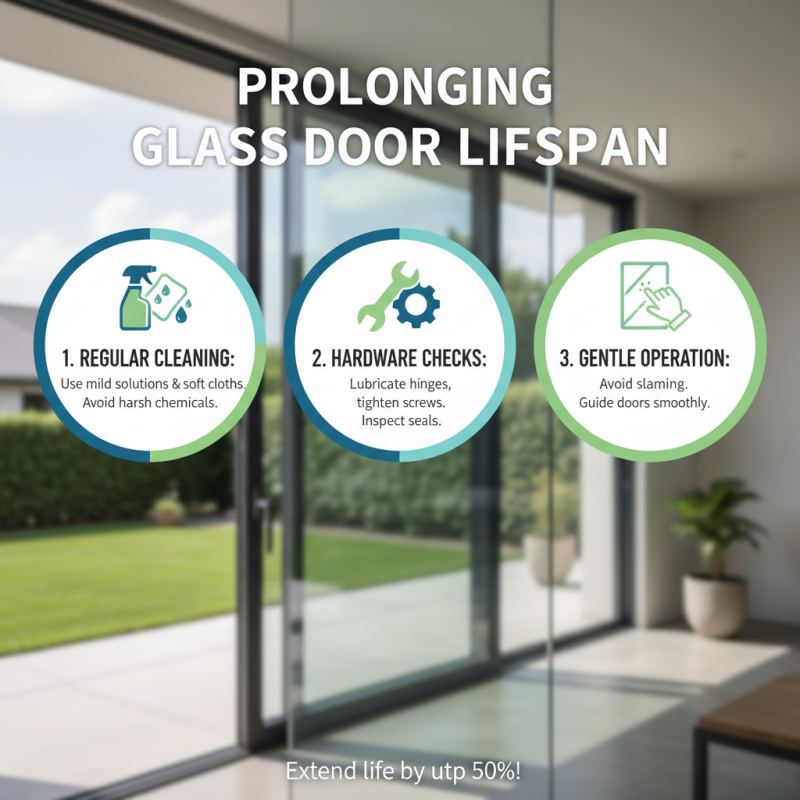
Glass doors have become increasingly popular for modern homes and offices due to their sleek aesthetic and ability to create a sense of openness. However, maintaining these doors is crucial for ensuring longevity and preserving their beauty. According to industry studies, regular maintenance can extend the lifespan of glass doors by up to 50%.
One vital tip for glass door maintenance is to clean them regularly. Use a gentle glass cleaner and a soft cloth to avoid scratches. Residue from dirt and grime can build up quickly, limiting visibility and overall appeal. Regular cleaning can prevent significant wear on the glass surfaces.
Another essential aspect is inspecting the seals and hardware. Over time, seals may wear down, allowing moisture to penetrate, which can compromise insulation. Check for any cracks or signs of deterioration. If these issues are detected early, they can often be repaired at a lower cost than full replacement.
Lastly, consider protecting glass doors from extreme weather. Use window film or UV-blocking treatments to prevent fading and thermal stress. Investing time in these maintenance practices can lead to significant savings and enhance the performance of glass doors in the long run.