How to Choose Smart Windows for Your Home or Business?
Choosing Smart Windows for your space is more than just a design choice; it’s a step towards sustainability and comfort. According to Dr. Emily Carter, a leading expert in building technologies, "Smart Windows revolutionize how we interact with our environment." This technology modifies its tint and insulation properties to improve energy efficiency and natural light.
Smart Windows can help reduce heating and cooling costs. They adapt to weather changes, providing comfort throughout the year. However, many people struggle to understand their diverse options. The market offers various technologies, each with unique benefits. Poor choices can lead to higher energy bills and discomfort.
Incorporating Smart Windows involves assessing your specific needs. Consider the climate, orientation, and type of building. Each decision impacts energy consumption and aesthetic appeal. Understanding these factors will ensure you make the best choice for your home or business. Consider consulting a professional for tailored advice.
Understanding Smart Windows: Definition and Technology Overview
Smart windows represent a transformative approach to building design, offering energy efficiency and enhanced comfort. These windows adjust their tint based on sunlight exposure, which reduces indoor heat and glare. A 2021 report by the U.S. Department of Energy highlights that smart windows can decrease energy consumption by up to 30% in commercial spaces. This capability translates to significant cost savings over time, benefiting both businesses and homeowners alike.
The technologies behind smart windows include electrochromic and thermochromic materials. Electrochromic windows change color in response to electrical currents. Thermochromic windows react to temperature fluctuations. Both technologies provide unique advantages, but not without challenges. Installation can be more complex than traditional windows, and long-term durability may pose questions. Industry research indicates that understanding these technologies is crucial for decision-making. Careful evaluation of building needs can lead to better investment in smart window technology, improving overall efficiency.
Smart Windows Technology Adoption Over Time
This bar chart illustrates the adoption rate of smart window technology in residential and commercial sectors from 2018 to 2023. As shown, the adoption rate has significantly increased over the years, reflecting the growing awareness and preference for energy-efficient solutions.
Types of Smart Windows: Materials and Mechanisms Explained
Smart windows are gaining popularity for their energy efficiency and comfort. They come in various types, each with unique materials and mechanisms. Understanding these can help you make an informed choice.
One popular type is electrochromic glass. This material changes its tint in response to electrical signals. According to a recent industry report, these windows can reduce energy use by up to 30% in commercial buildings. They are effective for controlling heat and glare, offering a significant advantage over traditional windows. However, installation costs can be high.
Another option is photochromic glass. It reacts to sunlight, darkening automatically when exposed. This type of smart window can provide excellent UV protection, extending the life of your interiors. A study indicated that homes with photochromic windows maintained a more stable indoor temperature. Still, the effectiveness can vary with the amount of direct sunlight.
Transparent insulation is also a noteworthy mechanism. It allows natural light while insulating against heat loss. This technology may lead to noticeable energy savings. However, the initial investment and limited availability in some regions might hold back potential users. As smart windows evolve, understanding these materials can inform better choices for your space.
How to Choose Smart Windows for Your Home or Business? - Types of Smart Windows: Materials and Mechanisms Explained
| Type of Smart Window |
Material |
Mechanism |
Benefits |
Ideal Use |
| Electrochromic Glass |
Glass |
Electric current changes tint |
Reduces glare and heat |
Commercial buildings |
| Photochromic Glass |
Glass |
Changes tint based on sunlight |
Automatic sun protection |
Residential homes |
| Thermochromic Glass |
Glass |
Changes tint based on temperature |
Energy-efficient temperature control |
Climate-sensitive areas |
| BIPV (Building-integrated photovoltaics) |
Glass with solar cells |
Solar energy generation |
Sustainable energy source |
Eco-friendly buildings |
| Smart Tint |
Polymer film |
Smart film that changes from clear to opaque |
Privacy and glare reduction |
Homes and offices |
Key Benefits of Installing Smart Windows in Homes and Offices
Smart windows offer a range of benefits for homes and offices. They can regulate temperature by adjusting their tint based on sunlight. This can lead to a noticeable reduction in energy bills, making them an efficient choice. Many users report a more comfortable indoor climate, especially during extreme weather conditions.
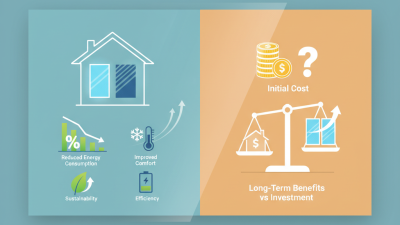
Moreover, smart windows enhance privacy without sacrificing natural light. They can switch from transparent to opaque at the touch of a button. This feature is particularly useful in commercial spaces where meetings take place. It's essential to consider the initial investment versus long-term savings. While the startup costs can be higher, the energy efficiency can quickly compensate for this expense.
Despite their advantages, not all smart windows are created equal. Users need to research and ensure they choose the right technology. Some may face issues with installation or maintenance. Proper care can mitigate these problems, but it’s important to stay informed about the latest innovations and best practices. Adapting to changing technologies can be daunting, yet the benefits are often worth the effort.
Factors to Consider When Choosing Smart Windows
Smart windows can greatly enhance comfort and efficiency in your home or business. When choosing the right ones, consider their energy efficiency ratings. These windows can help regulate temperatures, leading to lower energy bills. Look for options that use advanced materials to reduce heat transfer and improve insulation.
Another important factor is the window's ability to control light and glare. Some smart windows can adjust opacity based on sunlight, providing privacy when needed. This feature can also protect furniture from UV damage. Think about the orientation of your building. Windows that perform well in sunny areas may not suit shaded spaces.
Cost is often a major consideration. Smart windows can be more expensive initially. However, the long-term savings on energy can justify the investment. Assess your budget carefully. Also, consider aesthetic appeal. The right windows should blend well with your existing architecture. Balancing efficiency with design is key. Reflect on what works best for your specific situation.
Installation and Maintenance Tips for Smart Windows
When considering smart windows for your space, installation and maintenance play critical roles. The U.S. Department of Energy indicates that proper installation can improve energy efficiency by up to 30%. Ensuring a tight fit and correct alignment prevents air leaks. This not only enhances thermal performance but also extends the window's lifespan. A qualified professional should handle installation to comply with building codes and standards.
Maintenance of smart windows is equally important. Regular cleaning can help maintain their functionality. Use non-abrasive cleaners to avoid scratches. Moreover, check seals and frames annually. A 2020 report from the National Institute of Standards and Technology highlighted that 40% of energy loss in buildings results from poorly maintained windows. Small issues left unchecked can escalate, leading to costly repairs.
Incorporating sensors can help monitor window performance. The data collected can indicate when maintenance is required. Despite benefits, many property owners overlook these details. This can lead to a lack of optimal performance over time. Investing in training for staff who will manage smart windows can prevent future issues.