Best Smart Windows Solutions for Energy Efficiency Needs?
Smart Windows are gaining traction in the quest for energy efficiency. According to a report by the U.S. Department of Energy, windows account for up to 30% of residential heating and cooling energy use. In this context, Smart Windows can dynamically adjust their properties. They help reduce energy consumption by maximizing natural light and regulating temperature.
Recent advancements in Smart Window technology include electrochromic and thermochromic coatings. These features enable windows to change tint in response to external light conditions. A study by Research and Markets indicates that the Smart Windows market is projected to reach $12.5 billion by 2028. This growth reflects a growing demand for energy-efficient building solutions.
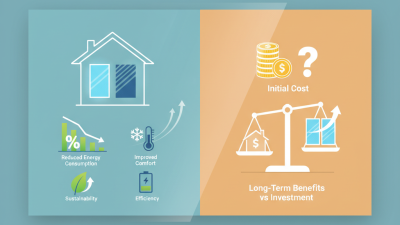
However, as with any emerging technology, challenges exist. The initial cost of Smart Windows can deter consumers. While they offer long-term savings, the upfront investment remains a concern. Additionally, not all Smart Windows are created equal; some may not perform as efficiently in all climates. Understanding these nuances is essential for informed decision-making.
The Role of Smart Windows in Enhancing Energy Efficiency
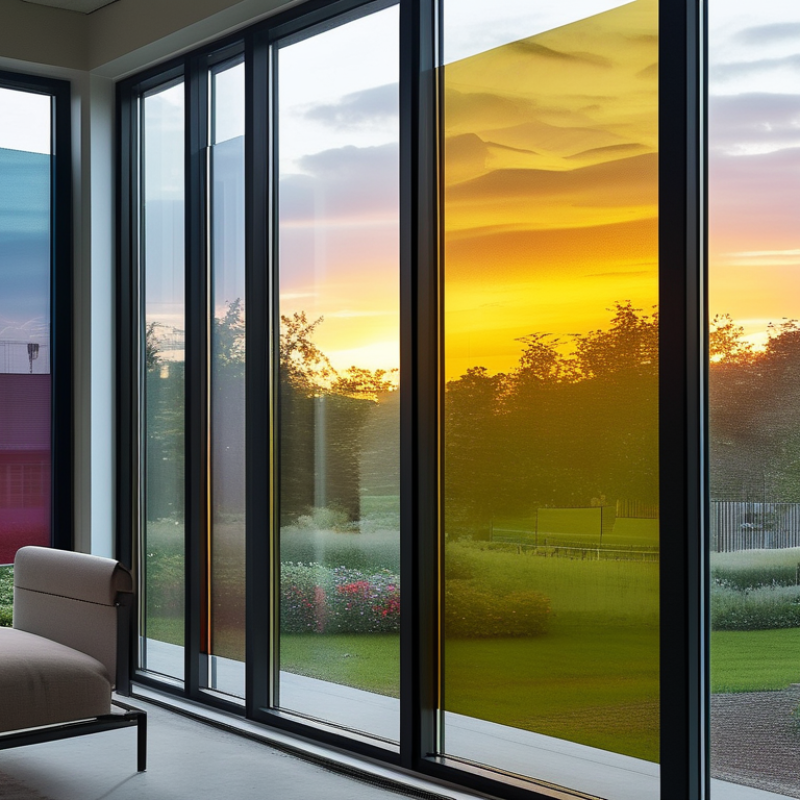
Smart windows are revolutionizing how we think about energy efficiency. They can adjust their tint or opacity based on sunlight exposure. This dynamic feature allows buildings to maintain a consistent indoor temperature. As a result, less energy is required for heating and cooling.
The technology behind smart windows is complex, yet the benefits are clear. These windows help reduce glare and improve natural lighting. They also minimize reliance on artificial light, further lowering electricity consumption. However, not all installations yield the same results. Inconsistent performance may occur if the windows are poorly integrated with building systems.
Implementing smart windows requires careful planning. Their effectiveness often depends on climate, orientation, and user behavior. Moreover, initial costs can be significant. Long-term savings may not always justify the upfront investment. Property owners should weigh these factors before making decisions. Energy efficiency is a worthy goal, but the best solutions vary by context. Balancing technology with practical considerations is crucial for success.
Best Smart Windows Solutions for Energy Efficiency Needs
| Feature |
Description |
Energy Savings (%) |
Technology Type |
| Electrochromic Glass |
Changes tint in response to an electrical charge. |
20-30% |
Smart Glass |
| Thermochromic Windows |
Changes color with temperature fluctuations. |
15-25% |
Smart Glass |
| Liquid Crystal Windows |
Uses liquid crystals to control light passage. |
10-20% |
Smart Glass |
| Phase Change Materials |
Materials that absorb or release heat when changing phases. |
15-30% |
Smart Materials |
| Automated Shading Systems |
Dynamic blinds or shades that adjust based on sunlight and temperature. |
10-20% |
Smart Technology |
Types of Smart Windows Technologies: Electrochromic, Thermochromic, and More
Smart windows are revolutionizing energy efficiency in buildings. Technologies like electrochromic and thermochromic windows play a vital role. Electrochromic windows change tint based on electrical currents. These can reduce heat gain significantly. A study by the Lawrence Berkeley National Laboratory indicated that such windows could save up to 30% in energy costs annually.
Thermochromic windows respond to temperature changes, automatically adjusting their tint. They help in managing indoor climate effectively. According to the International Energy Agency, incorporating these windows can lead to energy savings of approximately 40% over traditional glazing. Such solutions are appealing for both commercial and residential buildings striving for sustainability.
However, challenges remain. The initial installation costs of smart window technologies can be high. Furthermore, integrating them into existing buildings may require significant retrofitting. Users must also consider the longevity and maintenance of these solutions. Continuous advancements in technology could address these shortcomings. Understanding user needs is essential for optimizing performance and maximizing benefits.
Key Benefits of Smart Windows for Commercial and Residential Use
Smart windows are revolutionizing energy efficiency in both commercial and residential spaces. They offer adaptive responses to changing environmental conditions. For instance, these windows can tint automatically in bright sunlight, reducing heat gain. This process minimizes reliance on air conditioning, promoting lower energy consumption.
In commercial settings, smart windows can significantly enhance occupant comfort. They provide consistent natural light while blocking harmful UV rays. This balance can improve employee productivity and reduce eye strain. Residents also benefit from better energy savings during peak heating and cooling seasons. The technology is still evolving, and future innovations could improve affordability for wider adoption.
While smart windows present compelling advantages, challenges remain. Initial costs may deter some property owners. Maintenance and system compatibility are also concerns. As with any emerging technology, it’s essential to weigh the benefits against potential drawbacks. Balancing these factors can lead to informed decisions for energy-efficient buildings.
Energy Efficiency Benefits of Smart Windows
This chart illustrates the key benefits of smart windows in enhancing energy efficiency for both commercial and residential use.
Industry Statistics on Energy Savings with Advanced Window Solutions
When it comes to energy efficiency, advanced window solutions play a critical role. Research indicates that about 30% of a building's heating energy is lost through windows. By replacing traditional windows with smart variants, homeowners can achieve significant energy savings. For instance, the U.S. Department of Energy highlights that energy-efficient windows can reduce heating and cooling costs by 12%-25%.
Tips for maximizing energy savings include selecting windows with low-emissivity (Low-E) coatings. These coatings reflect heat during summer and retain warmth in winter. Additionally, consider multi-pane windows. They provide better insulation than single-pane options. Proper installation is vital, as air leaks can undermine energy efficiency.
Statistics show that homes with energy-efficient windows consume up to 20% less energy than those without. Despite these benefits, many homeowners overlook their potential. This calls for a deeper understanding and consideration of smart window solutions. Taking time to evaluate options may lead to greater savings and comfort.
Case Studies: Successful Implementation of Smart Windows in Various Sectors
Smart windows are gaining traction in various sectors due to their remarkable energy efficiency benefits. In commercial buildings, these windows have been integrated to better regulate internal temperatures. For example, an office building in a major urban center experienced significant energy savings after installation. The controlled glazing reduced heating and cooling costs by over 30%. Employees also reported improved comfort levels, as the windows adapt to changing outdoor conditions.
In educational institutions, smart windows have improved learning environments. A recent installation at a university reduced glare and allowed natural light without overheating classrooms. This adjustment led to better concentration and higher student satisfaction. However, the initial costs of installation can be high. Some institutions faced budget constraints, resulting in slower implementation. Despite this, the long-term savings and enhanced learning experiences present a compelling case for investment.
Challenges remain in the technology's integration. Some users experienced difficulties with the operational software, causing delays in user-friendly adjustments. Continuous training and support are essential for staff to maximize smart window benefits. Nonetheless, the ongoing evolution of smart window technology promises to address these concerns effectively.