2026 Top System Doors Trends and Innovations You Need to Know?
In the evolving world of architecture and design, System Doors are gaining significant attention. These products embody innovation, functionality, and style. As we approach 2026, the trends in System Doors are shifting rapidly. The focus is on sustainability and smart technology.
Homeowners and designers alike are looking for doors that enhance both aesthetics and energy efficiency. Advanced materials and design techniques are shaping how we perceive these essential elements. System Doors are no longer just entryways; they serve as pivotal components in modern architecture.
However, navigating these trends can be challenging. There is a wide range of options available now, and not all are created equal. Knowing the right features to prioritize is crucial for making informed decisions. As we explore the upcoming trends in System Doors, reflecting on user needs and environmental impact will guide us toward smarter choices.
2026 System Doors Market Overview: Trends and Growth Projections
The 2026 system doors market is witnessing significant changes. Innovations in design and technology are at the forefront. Customers now prefer doors that combine aesthetic appeal and functionality. This trend is reshaping how manufacturers approach their products.
Environmentally friendly materials are gaining traction. More consumers are interested in sustainable options. This shift pushes companies to consider eco-friendly manufacturing processes. In addition, advanced locking systems are becoming a necessity. Security remains a top priority for homeowners and businesses alike.
The focus on energy efficiency cannot be overlooked. Better insulation is crucial for maintaining indoor temperature. Customers expect doors that minimize energy costs. However, ensuring durability while meeting these needs presents a challenge for manufacturers. Balancing various attributes requires careful planning and innovation. The future of system doors will demand flexibility and creativity in design.
Sustainable Materials in System Doors: Innovations and Environmental Impact
The growing concern for environmental sustainability has transformed the system doors industry. As architects and builders prioritize eco-friendly options, the use of sustainable materials is at the forefront. Reports indicate that nearly 50% of construction professionals are now integrating sustainable materials into their projects. This shift reflects a broader recognition of the environmental impact of traditional materials.
Innovations in sustainable materials—like recycled aluminum and bamboo—are gaining traction. Recycled aluminum can reduce carbon emissions by up to 95% compared to new aluminum. Bamboo, a rapidly renewable resource, offers both strength and minimal environmental impact. However, challenges remain. Some manufacturers struggle to balance cost and sustainability. The perception that eco-friendly options are more expensive persists. Industry leaders emphasize the need for education on the long-term benefits of sustainable investments.
Data points reveal significant market shifts. A recent study shows that 60% of consumers prefer eco-friendly products. This trend pressures manufacturers to adapt. As innovations emerge, the importance of rigorous testing and certification grows. Ensuring quality while using sustainable materials is vital. Addressing consumer demand while maintaining standards offers a path forward, albeit not without challenges.
Smart Technology Integration in System Doors: Enhancements and Features
Smart technology is shaping the future of system doors. Enhanced security features are now commonplace, providing users with peace of mind. Modern systems integrate biometric access controls. This means doors can recognize fingerprints or facial features. Such advancements eliminate traditional keys, making access smoother and safer.
Moreover, connectivity is a key aspect. Doors can now connect to home automation systems. Homeowners can control their doors remotely via smartphones. This offers convenience for busy lifestyles. However, reliance on technology brings up concerns. Data privacy is a significant issue. Users must ensure their personal information is secure.
Sensors in system doors monitor environmental changes. They can alert users to potential issues, like temperature fluctuations. This proactive approach helps in maintaining home security. However, not all systems are foolproof. Users should be aware of potential malfunctions. Regular maintenance can mitigate some risks. With ongoing innovation, system doors will continue to evolve.
Design Trends Shaping System Doors: Aesthetic Choices and Functionality
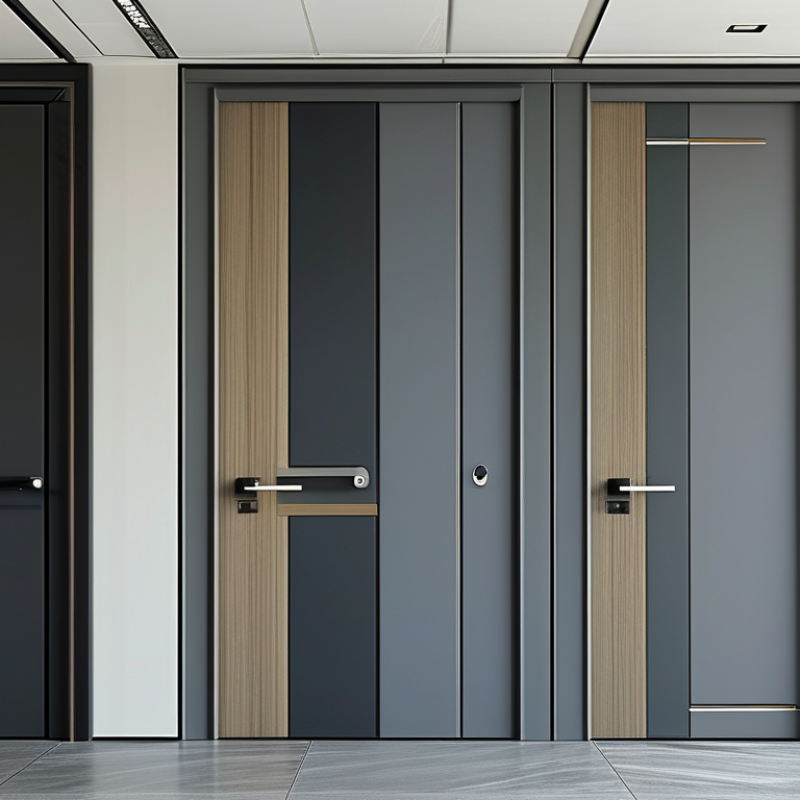
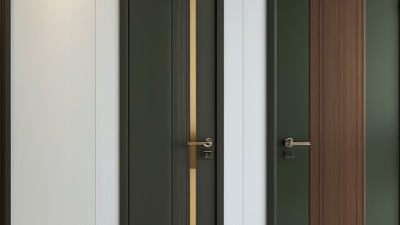
System doors are increasingly embracing modern design trends that blend aesthetics with functionality. In 2026, expect to see a rise in minimalist designs, featuring clean lines and natural materials. These doors not only serve their traditional purpose but also enhance the overall look of spaces. Warm woods and sleek metal finishes will become popular for their dual appeal. This combination of style and utility draws attention to how doors can centralize a design theme.
Tips: Consider the overall color palette of your space when selecting a door. A door can make or break the visual balance of a room.
Another trend is the use of bold colors and textures. Deep greens, rich blues, and even metallic tones can add a striking element to interiors. Textured finishes bring a tactile experience, creating interest and depth. However, these choices require thought. A vibrant door may overshadow other design elements if not properly integrated.
Tips: Test paint chips against your walls. Live with them for a few days to see how they interact with light throughout the day.
Functionality is equally crucial. Energy efficiency and security features are on the list for consumers. Many prefer doors that offer insulation benefits. This aspect often gets neglected amid aesthetic choices. It’s important to not overlook how a door affects energy consumption. Balancing beauty and practicality leads to more sustainable living environments.
2026 Top System Doors Trends and Innovations You Need to Know
| Trend |
Description |
Functionality |
Aesthetic Choices |
| Sustainable Materials |
Use of recycled and eco-friendly materials in door manufacturing. |
Enhances energy efficiency and reduces environmental impact. |
Natural finishes and textures that harmonize with nature. |
| Smart Technology |
Integration of smart locks and automation systems. |
Improves security and convenience for homeowners. |
Sleek, modern designs with minimalistic interfaces. |
| Multi-Funtional Designs |
Doors that serve multiple purposes, such as room dividers. |
Maximizes space utility without compromising on style. |
Versatile styles that blend with various décor themes. |
| Bold Colors |
Increased use of vibrant colors in door finishes. |
Enhances visibility and can improve mood within spaces. |
Allows for personal expression through color choices. |
| Glass Elements |
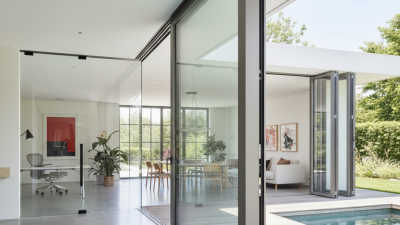
Incorporation of glass panels in door design. |
Improves natural light flow and visual connectivity. |
Elegant and contemporary look enhancing overall aesthetics. |
Energy Efficiency in System Doors: Regulatory Standards and Consumer Demand
Energy efficiency is a key focus in the development of system doors for 2026. Recent studies indicate that energy-efficient doors can reduce heating and cooling costs by up to 30%. This is particularly important as residential and commercial sectors increasingly seek to comply with regulatory standards. The International Energy Agency reported that building energy consumption could drop significantly with better insulation options in doors.
Regulatory standards vary globally but generally promote enhanced energy performance. The U.S. Department of Energy amplifies these trends by setting benchmarks that drive innovation. System doors designed to exceed these standards not only meet demand but often surpass consumer expectations. There is a growing appetite for doors with superior thermal insulation and low thermal transmittance, catering to eco-conscious buyers.
Despite advancements, challenges remain. Many manufacturers struggle to balance aesthetic appeal with energy efficiency. Different materials often deliver varied performance levels, leaving consumers questioning their choices. As the industry evolves, feedback loops must capture consumer experiences. This ongoing dialogue fosters improvements and reinforces the commitment to delivering reliable, energy-efficient solutions in system doors.