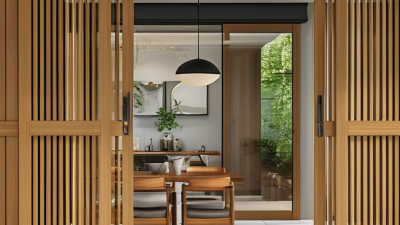
China has become a major sourcing base for Sliding Door systems, serving residential, commercial, and hospitality projects worldwide. Its factories offer aluminum profiles, tempered glass, thermal-break frames, concealed tracks, and customized finishes. Yet a polished catalog is not proof of dependable performance.
The Sliding Doors Global Market Report 2024 by The Business Research Company identifies renovation activity, space efficiency, and modern architectural design as important market drivers. Grand View Research also highlights rising demand for energy-efficient doors and wider glazed openings. These findings matter to global buyers comparing Chinese manufacturers. Product selection should include U-value data, air-permeability testing, water-tightness results, wind-load calculations, and cycle-test records. Factory audits, sample approval, packaging checks, and after-sales response deserve equal attention.
Building-science expert Joseph Lstiburek often reminds professionals, “A building is a system.” His point applies directly to Sliding Door procurement. Glass, rollers, drainage, seals, walls, and installation must work together. A strong manufacturer should explain those relationships clearly, not merely advertise low prices. Experience also exposes inconvenient details: a beautiful door may develop track noise, condensation, or alignment problems after installation. Small errors become expensive across a hotel or housing project.
This guide examines China’s top Sliding Door manufacturers through product capability, testing evidence, customization experience, export reliability, and communication quality. The ranking is not absolute. Buyer priorities differ. A coastal villa needs corrosion resistance, while a high-rise project may prioritize weight control and acoustic performance. Careful verification remains essential.
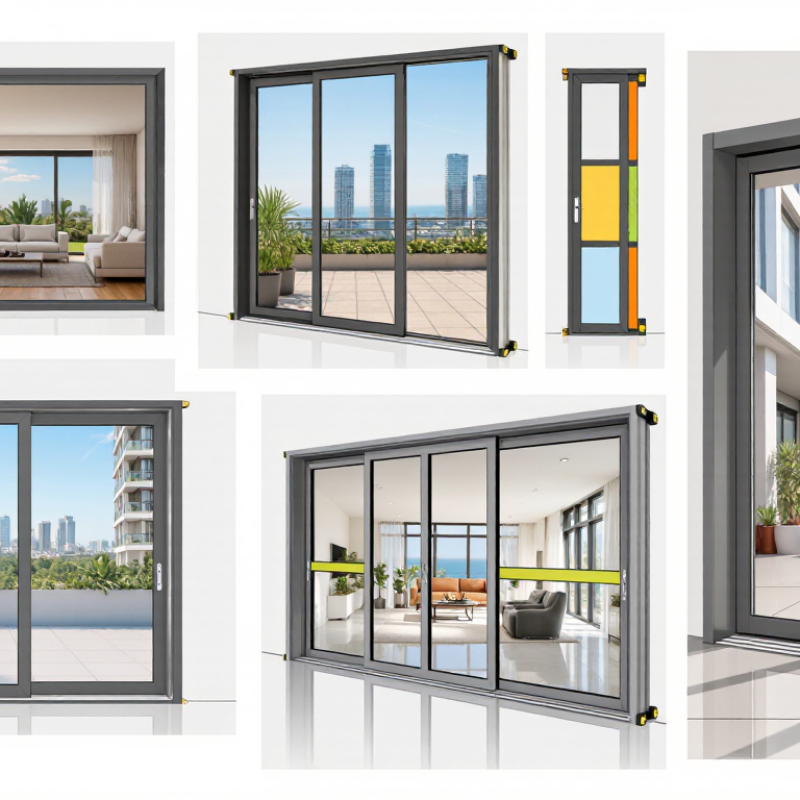
Chinese manufacturers produce a broad range of sliding doors for residential, commercial, and hospitality projects. Their product choices often include aluminum-framed glass doors, thermal-break systems, lift-and-slide doors, pocket doors, and folding-sliding designs. Each type serves a different opening size, climate, and usage frequency.
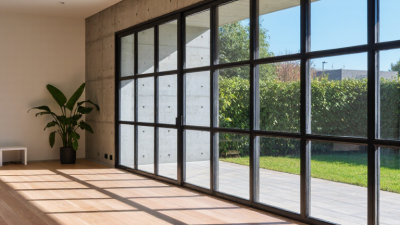
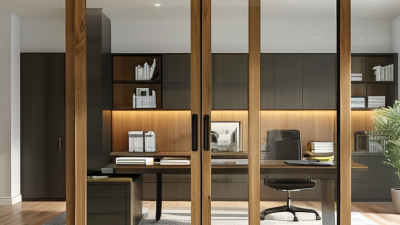
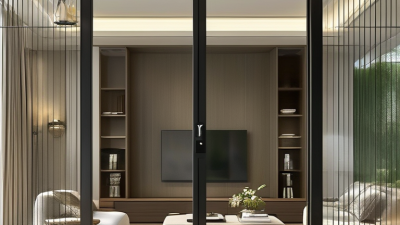
Aluminum glass doors provide slim sightlines and strong daylight transmission. They work well for balconies, patios, offices, and retail interiors. Lift-and-slide doors support larger panels with smoother operation. Pocket doors disappear inside the wall, saving valuable floor space. Folding-sliding doors can open wider, but their hardware needs careful alignment. Wood-look doors offer warmth, while steel systems suit projects requiring a stronger industrial appearance.
Experienced manufacturers usually combine extrusion, glass processing, hardware assembly, and quality inspection in one supply chain. They can adjust frame colors, panel sizes, locking systems, drainage paths, and glazing options for overseas projects. Weather seals and roller quality deserve close attention. Details matter. A beautiful door can still perform poorly if installation tolerances are ignored. Factory samples, technical drawings, and test reports help buyers verify air resistance, water control, thermal performance, and operating cycles before production.
In real projects, small mistakes can become expensive. A panel may be too heavy for its rollers. A threshold may not match the site condition. Buyers should confirm measurements, packaging protection, replacement parts, and installation guidance with the manufacturer. The best choice is not always the most advanced system. It is the one that fits the building, budget, climate, and maintenance ability.
China Top Sliding Door Manufacturers for Global Buyers
Key Factors for Evaluating Chinese Sliding Door Suppliers
Selecting a Chinese sliding door supplier requires more than comparing catalog prices. In practical sourcing work, I inspect frame thickness, alloy grade, roller design, and drainage details. A smooth showroom sample can hide weak corners or noisy hardware. Ask for section drawings and material specifications. These documents reveal more than polished photographs.
Production consistency matters. Request a pre-production sample before approving a large order. Check whether the doors open evenly, lock firmly, and remain stable after repeated movement. Ask about powder coating tests, glass standards, packaging methods, and replacement hardware. A reliable factory should explain its inspection stages clearly. Vague answers deserve caution.
Supplier evaluation also includes communication and delivery discipline. Review previous export experience, factory capacity, and realistic lead times. Confirm who checks dimensions before production. Small measurement errors can create expensive installation problems. Video inspections help, but they are not perfect. An independent inspection may still be worthwhile. I would also compare two samples, not one. Differences between batches sometimes appear only after close measurement. The cheapest quotation can become costly when cartons arrive damaged or fittings do not match. Ask for corrective-action records when defects occur. A supplier that admits past problems may be more trustworthy than one claiming flawless production.
Practical supplier-evaluation benchmarks for architectural, residential, hospitality, and commercial sliding-door projects. All benchmark figures are indicative market ranges and should be verified against project-specific quotations, test reports, and contracts.
| Evaluation Dimension | What Global Buyers Should Verify | Recommended Evidence | Indicative Benchmark or Acceptable Range | Key Risk Signal |
|---|---|---|---|---|
| Product Material and Construction | Confirm the aluminum alloy, profile wall thickness, surface treatment, hardware grade, corner joints, rollers, locks, and drainage design. | Technical drawings, bill of materials, profile samples, hardware datasheets, and pre-production sample approval. | Common architectural profiles use 6063-series aluminum alloy. Typical residential profile wall thickness is approximately 1.4–2.0 mm, while heavier commercial systems may use thicker sections. | High Risk Vague material descriptions such as “premium aluminum” without alloy or thickness information. |
| Glass Safety and Configuration | Check glass type, thickness, tempering or lamination, edge finishing, spacer system, and compliance with the destination market’s building regulations. | Glass certificates, heat-soak or tempering records where applicable, sample labels, and product test reports. | Common configurations include 5–12 mm tempered glass or laminated safety glass for larger panels and higher-risk applications. Exact requirements depend on panel size and local code. | High Risk No traceable glass markings or no documentation for safety glass. |
| Weather Performance | Evaluate air permeability, water-tightness, wind-load resistance, drainage, seals, and installation conditions for the target climate. | Laboratory test reports showing the tested product configuration, specimen dimensions, test standards, and report validity. | Performance is system-specific. A valid report should match the proposed profile, glass, hardware, seals, and panel dimensions rather than relying on a generic catalog claim. | High Risk Unverified claims such as “waterproof” or “hurricane proof” without test conditions. |
| Thermal and Acoustic Performance | Compare thermal-break design, glazing configuration, U-value, solar-control options, and acoustic rating where relevant. | U-value calculations or test reports, acoustic test reports, glazing specifications, and thermal-break drawings. | Thermal performance varies greatly by frame, glass, spacer, and panel size. Buyers should compare complete system values instead of frame-only figures. | Medium Risk Performance values are quoted without identifying the glass or complete door configuration. |
| Hardware and Operating Life | Assess roller load capacity, anti-jump protection, track design, corrosion resistance, locking points, replacement availability, and maintenance requirements. | Hardware datasheets, cycle-test results, load ratings, spare-parts list, and maintenance instructions. | Heavy sliding panels should use rollers rated above the calculated panel weight, with a reasonable safety margin. Cycle-life claims should identify the tested load and test method. | Medium Risk Roller capacity and replacement-part availability are not specified. |
| Certifications and Quality System | Verify whether the factory operates a documented quality-management system and whether product certifications apply to the actual factory and product range. | Current ISO 9001 certificate, relevant product certificates, audit reports, calibration records, and certificates showing the legal entity and site address. | ISO 9001 indicates a quality-management system; it does not by itself certify product performance. Destination-market certifications should be checked against applicable regulations. | High Risk Expired certificates, mismatched company names, or certificates issued only for unrelated products. |
| Customization Capability | Confirm capability for non-standard sizes, colors, glazing, screen doors, concealed drainage, corner configurations, and compatible accessories. | Approved shop drawings, color samples, project references with similar complexity, and a written change-control procedure. | A reliable supplier should provide shop drawings before production and clearly define tolerances, allowable deviations, and customer approval points. | Medium Risk Production starts from informal messages without approved drawings or tolerance data. |
| Production Capacity and Lead Time | Review factory equipment, extrusion or fabrication arrangements, finishing capacity, workforce, inspection stages, and current production schedule. | Factory audit, production photographs or video inspection, capacity statement, production plan, and previous shipment records with sensitive data removed. | For standard customized orders, approximately 25–45 working days is a common planning range after drawing and deposit approval. Complex projects may require longer. | Medium Risk Short lead times are promised without confirming drawings, material availability, or production capacity. |
| Minimum Order Quantity and Commercial Terms | Clarify minimum order quantity, sample charges, tooling fees, deposit structure, balance-payment terms, validity of quotation, and currency. | Formal quotation, pro forma invoice, tooling agreement, Incoterms, packaging costs, and payment schedule. | Custom orders commonly require a deposit before production. MOQ varies by system and finish; smaller trial orders may carry higher unit costs or setup charges. | High Risk Unclear pricing exclusions, undocumented tooling ownership, or requests for payment to an unrelated account. |
| Export Packaging and Logistics | Check protection against glass breakage, frame deformation, moisture, abrasion, and loading damage during ocean or road transport. | Packaging specifications, loading photos, carton or crate dimensions, packing list, HS-code confirmation, and shipping insurance terms. | Packaging should separate glass from metal components, protect corners and hardware, control movement inside the crate, and support container loading requirements. | High Risk No packaging drawings, no loading plan, or unclear responsibility for transit damage. |
| Warranty and After-Sales Support | Define warranty coverage for profiles, coating, glass, hardware, rollers, seals, installation defects, and exclusions caused by misuse or poor site conditions. | Signed warranty document, spare-parts policy, installation manual, troubleshooting guide, and response-time commitment. | Warranty periods often differ by component and finish. The contract should state the start date, remedy process, replacement responsibilities, and freight allocation. | High Risk Only a general verbal warranty is offered, with no component-specific terms or service procedure. |
| Installation and Technical Documentation | Determine whether the supplier provides installation drawings, fixing details, tolerances, drainage instructions, adjustment procedures, and training support. | Bilingual installation manual, approved shop drawings, method statement, site-support plan, and commissioning checklist. | Complete documentation should be issued before shipment. Installation details must identify substrate requirements, fixing spacing, sealants, and required clearances. | Medium Risk Installation depends on undocumented experience or drawings are supplied only after delivery. |
| Factory Audit and Pre-Shipment Inspection | Inspect dimensions, color consistency, glass condition, hardware operation, labeling, quantity, packaging, and compliance with approved drawings before shipment. | Third-party inspection report, internal quality checklist, inspection photos, dimensional records, and signed corrective-action report if needed. | A pre-shipment inspection should compare finished goods with the approved sample and purchase order, including random carton opening and functional testing. | High Risk Supplier refuses independent inspection or cannot provide traceable batch and inspection records. |

Buyer recommendation: evaluate the complete door system rather than comparing price alone. Request project-specific drawings, matching test reports, physical samples, factory verification, and written warranty terms before placing a production order.
China-based sliding door manufacturers serve global buyers with varied project needs, from apartment renovations to commercial developments. Experienced suppliers often offer aluminum, steel, or thermally insulated systems with different glass options. Their factory capabilities may include cutting, assembly, powder coating, packaging, and export coordination.
A reliable evaluation should examine more than catalogue photos. Request technical drawings, profile thickness, glass specifications, load ratings, and installation guidance. Ask how the manufacturer checks corner joints, rollers, locks, drainage holes, and surface finish. Sample testing can reveal uneven gaps or weak hardware before mass production. Confirm quality records and applicable product certifications for the destination market. Do not assume a low quotation reflects better value.
Tips: Compare the same specifications across suppliers. Clarify opening size, color code, glass type, hardware grade, packaging, and warranty terms. Keep every requirement in a written purchase document. Factory audits or independent inspections can reduce avoidable surprises.
In practice, communication affects the final result. Clear drawings prevent expensive revisions. However, even careful suppliers may misunderstand unusual wall conditions or local installation habits. Leave room for technical review. A perfect shortlist is rare. Buyers should review samples, production updates, and pre-shipment inspection results before approving delivery. This practical process helps identify China-based sliding door manufacturers that can meet consistent quality, realistic lead times, and project-specific requirements.
Frame depth is a practical specification used by global buyers when comparing sliding-door systems. The ranges shown represent common procurement requirements for residential, thermally broken, and lift-and-slide applications; actual dimensions vary by project, glazing weight, wind-load requirements, and local building codes.
China’s leading sliding door manufacturers usually build around documented production standards, not attractive showroom samples alone.
They commonly control profile cutting, corner joining, hardware installation, and packaging through written procedures. Experienced factories also maintain batch records for aluminum profiles, glass, rollers, and locks. These records help buyers trace a problem to a specific production date.
Materials matter in daily use.
Aluminum frames should have consistent wall thickness, clean welds, and a durable powder-coated or anodized surface. Tempered glass requires visible certification and careful edge inspection before assembly. Rollers should move smoothly under repeated load, while stainless steel screws resist corrosion in humid locations. Small details matter.
Quality control is strongest when inspectors work at several stages. They check dimensions after cutting, frame squareness during assembly, and door movement before packing. A practical test includes opening and closing the panel repeatedly, measuring gaps, and checking abnormal noise. Packaging deserves attention too; foam corners and moisture-resistant cartons reduce transit damage. Still, no factory is perfect. A minor tolerance issue may escape one inspection. Global buyers should request pre-shipment samples, inspection reports, material certificates, and clear acceptance standards. Factory audits and video records can add confidence, but they cannot replace physical testing. Clear communication about climate, installation conditions, and expected service life prevents costly assumptions.
China Top Sliding Door Manufacturers for Global Buyers
Sourcing sliding doors from China starts with a precise product brief. Define opening size, frame material, glass thickness, finish, track style, and installation location. Ask manufacturers for factory photos, production details, test reports, and recent project references. A serious supplier should explain tolerances, packaging, lead times, and replacement procedures clearly. Vague answers deserve caution. They often signal weak process control.
Tips: Request one sample before placing a large order. Compare identical specifications, not attractive headline prices. Check corner joints, rollers, locks, seals, and surface finish by hand. Confirm whether quotations include packaging, loading, inland transport, and export documents. A third-party inspection before shipment can reveal scratches, incorrect dimensions, or missing hardware. It costs money, but reordering doors costs more.
When comparing manufacturers, use a written scoring sheet for quality, communication, capacity, customization, and after-sales support. Keep drawings and approved samples attached to the purchase contract. Clarify payment stages and production milestones before ordering. Do not rely on catalog images alone; lighting can hide uneven finishes. One practical weakness is rushing the decision after receiving a low quote. That mistake can create installation delays, especially when replacement parts cross borders. Build extra time into the schedule and recheck measurements before production.