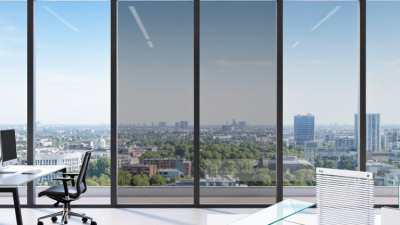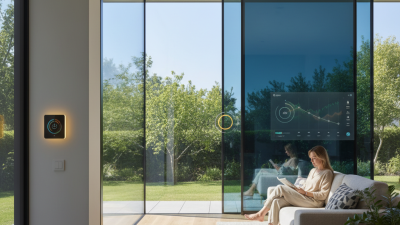
Smart Windows are moving from showcase projects into everyday buildings. They can tint, switch transparency, or adjust solar heat gain as light and temperature change. For global buyers, the promise is tangible: less glare on a monitor, more usable daylight, and potentially lower cooling demand. Yet performance depends on the glass, controls, climate, installation, and maintenance—not just a product brochure.
Building-efficiency researcher Stephen Selkowitz, whose work at Lawrence Berkeley National Laboratory helped advance high-performance building technologies, has long emphasized the value of evaluating windows as part of the whole building. A concise paraphrase of his perspective is this: dynamic glazing delivers value when it supports comfort and energy performance together. That is a useful lens for comparing Chinese manufacturers. Specifications matter. So do test methods, control-system compatibility, warranty terms, production capacity, and evidence from completed projects.
This guide introduces ten China-based manufacturers for international buyers to assess. It considers product range, technical documentation, customization, export experience, and communication across project stages. A listed company is not automatically the right supplier. Not every claim will fit every climate. Buyers should verify certifications and performance data against their project requirements, then request samples or references where practical. That extra step can feel slow. It may prevent a costly mismatch later.

Smart windows regulate how much light, heat, or visibility passes through glazing. Their behavior depends on the technology inside the glass, not one universal mechanism. In electrochromic units, a small electrical current moves ions between layers, gradually changing the glass tint. The change is visible. Many versions can hold a selected tint with little ongoing power, though switching may take several minutes. This gradual response can soften glare without abrupt changes across a room.
Other designs work differently. Suspended-particle systems align microscopic particles under voltage to adjust light transmission. Polymer-dispersed liquid-crystal glazing shifts between hazy and clearer states. That distinction matters: privacy glass is not always a strong solar-control solution. Controls may include a wall switch, schedule, daylight sensor, or building-management system. Sensor placement matters too. A sensor beneath a deep overhang may miss direct afternoon sun.
Real performance depends on pane size, orientation, climate, wiring, and installation quality. Ask for tested visible-light transmission, solar heat-gain data, switching time, and warranty conditions for the exact configuration. Do not rely only on a demonstration sample. A small piece may look impressive, while a full façade can behave less evenly. Even well-designed systems need commissioning, and controls may require adjustment after occupants use the space.
Smart Window Technologies Used by Chinese Manufacturers
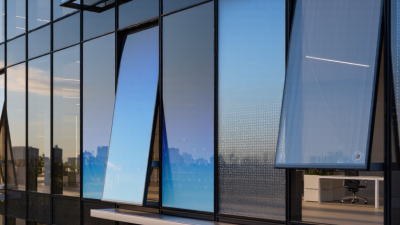
Chinese smart-window manufacturers commonly work with electrochromic, thermochromic, and suspended-particle technologies. Electrochromic glazing changes tint when a small electrical current moves ions through layered films. Thermochromic glass responds to heat, while suspended-particle devices switch between clearer and darker states. The control method matters. It affects switching speed, wiring, and how evenly a large pane changes.
The energy case is significant, but results depend on climate and building design. The IEA’s 2023 Global Status Report for Buildings and Construction estimates that building operations use about 30% of global final energy. UNEP’s 2024 report puts buildings and construction at 32% of global energy use. These figures use different scopes, so they should not be treated as directly comparable. Dynamic glazing can help manage solar heat and glare, yet poor controls may leave occupants with dim rooms or uneven tint. Real project testing matters.
Tips: Ask for visible-light and solar-heat data, switching-cycle results, and performance under the project’s actual temperature range. Test a full-size sample. Small samples can hide uneven color or slow transitions.
Technology-focused overview: The entries below describe ten smart-window technology categories, not a ranked list of manufacturers. Performance, control options, and availability vary by product, glass build-up, and supplier; no company or brand names are included.
| No. | Technology | How It Works | Typical Control or Trigger | Primary Function | Key Consideration | Common Applications |
|---|---|---|---|---|---|---|
| 1 | Electrochromic (EC) glass | An applied voltage changes the optical state of electrochromic layers, allowing the glazing to tint or clear. | Wall switch, building management system, or automated control using sunlight and temperature sensors. | Adjusts daylight and solar heat entering a space while preserving a view in many product configurations. | Switching is generally gradual rather than instantaneous; tint uniformity and performance depend on panel size and system design. | Office façades, skylights, healthcare facilities, and buildings seeking automated glare and solar-gain control. |
| 2 | Suspended particle device (SPD) glass | Electrical voltage aligns suspended particles in a film, changing how much light passes through the glazing. | Electrical control, often integrated with a switch, remote control, or building automation system. | Provides variable light transmission and solar control. | Requires electrical power to maintain its selected optical state in many system designs; visible appearance and transmission range are product-specific. | Commercial façades, roof glazing, partitions, and applications requiring adjustable light levels. |
| 3 | Polymer-dispersed liquid crystal (PDLC) glass | An electric field aligns liquid crystals in a polymer film, changing the panel from a scattering appearance to a clearer state. | Electrical switch, remote control, or building control system. | On-demand privacy and light diffusion. | The opaque state is usually translucent rather than fully opaque, so it does not provide complete visual blackout; it is not primarily a solar-heat-control technology. | Interior partitions, meeting rooms, doors, healthcare spaces, and privacy glazing. |
| 4 | Thermochromic glazing | A thermochromic material changes its optical properties as its temperature changes. | Passive response to the temperature of the glazing; some designs can use additional control layers. | Automatically adjusts solar transmission in response to heat. | Its response depends on material temperature and environmental conditions, so users may have limited direct control over tint. | Windows and skylights intended to reduce solar gain without continuous electrical switching. |
| 5 | Photochromic glazing | Photochromic materials alter their optical state when exposed to light, typically responding to ultraviolet radiation. | Passive response to light exposure. | Reduces light transmission as exposure increases. | Performance can depend on light spectrum, intensity, temperature, and material formulation; the response is not usually controlled by a building operator. | Applications seeking automatic light-responsive tinting, including selected façade and specialty glazing projects. |
| 6 | Gasochromic glazing | A gas-sensitive coating changes optical state when exposed to a control gas; a system reverses the change by altering the gas environment. | Controlled gas supply and system controls, sometimes linked to building automation. | Provides switchable tint for solar and daylight management. | Requires gas-handling components and system-level design, so installation and maintenance differ from simpler electrically switched glazing. | Specialized dynamic façade and daylight-control installations. |
| 7 | Thermotropic hydrogel glazing | A temperature-responsive hydrogel layer changes its scattering or optical behavior as it warms or cools. | Passive response to temperature. | Can diffuse or redirect sunlight as the glazing heats up. | Optical response, durability, and climatic suitability depend on the specific material and glazing construction; it is not equivalent to electrically dimmable glass. | Developing or specialized façade concepts focused on passive solar management. |
| 8 | Electrostatic micro-blind glazing | Microscopic movable shading elements within a glazing assembly change position under electrical actuation. | Electrical control, with possible integration into automated façade systems. | Modulates transmitted light and solar exposure through internal shading. | Availability, optical appearance, switching behavior, and service requirements depend on the specific design; confirm these details for each project. | Specialty façades and projects requiring compact, controllable shading within the glazing unit. |
| 9 | Between-glass motorized blinds | Conventional blinds or slats are enclosed between glass panes and moved or tilted by a motor. | Wall control, remote control, scheduled automation, or sensor-based building management. | Offers adjustable shading and privacy while protecting the blind mechanism from indoor dust and contact. | Requires moving parts and a compatible insulated-glass design; access for repair and long-term service should be addressed during specification. | Office buildings, institutional buildings, façades, and large glazed spaces. |
| 10 | Photoelectrochromic or photovoltaic-integrated smart glazing | Photovoltaic elements or a photoactive layer harvest light or generate electrical power that can support a switchable glazing function. | Light exposure combined with the system’s electrical and control design. | Combines dynamic optical control with on-glass energy generation or power support. | Power output, visible appearance, transparency, and switching behavior involve design trade-offs and must be evaluated for the intended façade orientation. | Building-integrated photovoltaics, specialty façades, and projects combining energy generation with daylight management. |
Evaluating a smart window manufacturer in China starts with the product, not the showroom. Ask for project-specific glass build-ups, control diagrams, and written performance data for heat gain, visible light, and sound reduction. Compare those figures with test reports, and check whether the report conditions match your climate and window dimensions. Small details matter. Check how the frame drains after rain and where cables exit. Ask whether a technician can replace a motor without removing the glass.
Request a working sample or visit the production line, if practical. Test the app and wall switch during a power interruption, then check which settings return when power is restored. Review quality records, warranty terms, spare-part availability, and response times in writing. Do not rely on a polished demo. Ask buyers from similar projects about delivery changes and after-sales support. Some questions will feel awkward. That is useful. Production can vary between batches, so agree on inspection points, packaging requirements, and acceptance criteria before placing a large order. No checklist catches everything, but clear records make problems easier to trace and resolve.
Use these suggested weights as a starting point when comparing suppliers. Assess product performance, durability, compliance, customization, delivery capability, and service against your project requirements. The percentages are a buyer-evaluation framework, not measured company rankings or market statistics.
China’s Top 10 Smart Window Manufacturers for Global Buyers should be assessed by evidence, not catalogue claims. The International Energy Agency’s 2023 Global Status Report for Buildings and Construction estimates that buildings account for about 30% of global final energy consumption and 26% of energy-related emissions. Smart glazing can help manage solar heat and daylight, but performance depends on climate, orientation, frame design, and controls. A factory sample tells only part of the story.
For a practical shortlist, buyers can compare independently tested visible-light transmission, solar heat gain, switching time, and durability. The U.S. Department of Energy notes that heat gain and loss through windows account for roughly 25–30% of residential heating and cooling energy use. Ask suppliers for test reports, production quality records, wiring diagrams, and clear warranty terms. Check whether the glass, control system, and installation details suit the project’s local conditions. Details matter.
Factory visits or third-party inspections can reveal how consistently suppliers handle coating, lamination, and final checks. I would also request a pilot order before specifying large quantities; it adds time, admittedly, but helps expose issues with color, switching uniformity, or controls. There is no perfect ranking without a stated method, so buyers should weigh documented performance and support against price.
When comparing products from China’s top 10 smart window manufacturers, start with the actual project conditions, not brochure images. Check glass thickness, maximum panel size, tint or opacity range, switching time, and performance under heat and humidity. Ask whether the quoted specifications apply to the exact model you plan to order. A small sample can reveal color shifts or visible wiring that a product sheet misses. Details matter. Request test reports and confirm the tested configuration matches the proposed glass, film, and control system.
Certifications should be checked against the destination market and intended installation. Ask for current documents, issuing bodies, and report numbers; a certificate for one component may not cover the complete window assembly. Export support deserves the same scrutiny. Request a sample packing list, protective-crating details, estimated production and shipping timelines, and confirmation of who handles installation guidance and warranty claims. Clarify how damaged panels are documented and resolved. I would not treat quick replies as proof of reliable service, though slow answers can be a warning. Compare written commitments, not just sales promises. A detailed quote helps, but some uncertainty remains until the first shipment arrives.