How to Choose the Right Sliding Window for Global Projects?
Choosing the right Sliding Window for a global project involves more than comparing prices or frame colors. Climate, building orientation, local craftsmanship, and daily use can change the best solution. A coastal apartment may need corrosion-resistant hardware, while a northern office may require stronger insulation and tighter seals. In humid regions, drainage design deserves close attention. Small details matter.
This guide examines practical criteria used by architects, contractors, and property owners. It considers glass performance, frame materials, opening size, security features, maintenance, installation quality, and supplier reliability. Energy ratings can help, but they do not tell the whole story. A certified product may still perform poorly after careless installation. It depends.
Global projects also face inconsistent standards, shipping conditions, and service expectations. A window selected in a showroom may behave differently after months of dust, rain, or strong sunlight. Site measurements should be verified before production, preferably by trained professionals. Product samples should be checked against approved specifications. Even experienced teams make assumptions that later become expensive. That weakness should be acknowledged, not hidden.
The goal is not to promote one universal model. No single Sliding Window fits every market, building type, or budget. Instead, the right choice should balance long-term performance, local conditions, design intent, and dependable support. Reliable documentation, transparent testing, and clear warranty terms can reduce uncertainty. Practical judgment remains essential.
Understanding Sliding Window Types for Global Building Requirements
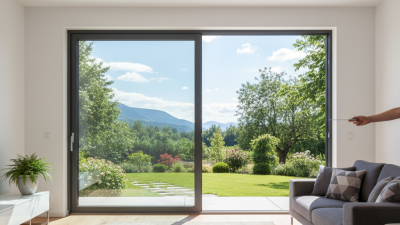
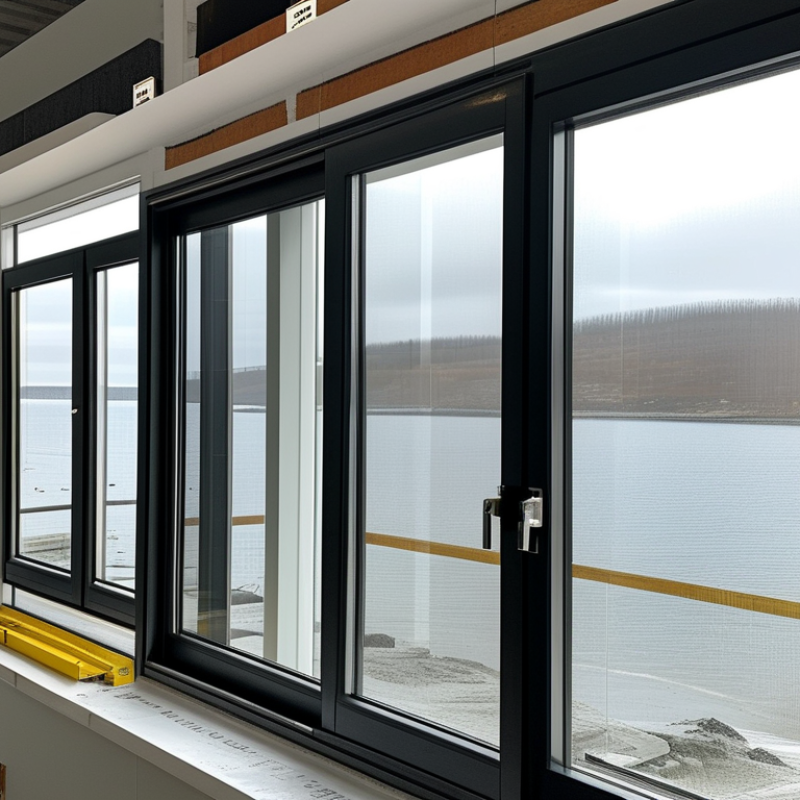
Choosing a sliding window for a global project starts with local building demands, not appearance. A single-sliding unit suits compact rooms, while a double-sliding design improves ventilation. Large lift-and-slide systems create wide openings, but they need stronger tracks and accurate installation. Tilt-and-slide windows provide controlled ventilation and improved weather protection. Small details matter. Coastal regions require hardware and finishes that resist salt exposure. Cold climates need insulated frames, low air leakage, and glazing designed for indoor comfort. Hot regions may require solar-control glass, external shading, and drainage for sudden rain. Seismic movement and strong winds can also influence the frame and track design.
From project experience, I compare each window type with wind pressure, opening size, cleaning access, and maintenance expectations. A specification that works in a dry city may fail beside a humid shoreline. I once focused too heavily on thermal performance and underestimated handle durability on a frequently used opening. That mistake changed my review process. I now check test evidence for air, water, wind, operation, and safety performance. Requirements also differ among homes, schools, hotels, and high-rise buildings. Accessible handles, opening restrictors, fall prevention, and safe cleaning routes deserve early attention. Local professionals should verify dimensions, installation methods, and applicable performance standards before production. Measure twice. A narrow tolerance can cause binding, drafts, or water entry after installation. For uncertain conditions, a physical mock-up may reveal problems that drawings hide.
Defining Climate, Performance, and Project-Specific Window Needs
How to Choose the Right Sliding Window for Global Projects?
Defining Climate, Performance, and Project-Specific Window Needs
A sliding window should begin with climate data, not appearance.
Coastal buildings face salt air, strong winds, and frequent driving rain. Cold regions demand low heat transfer and reliable seals. Hot climates need solar control, ventilation, and frames that tolerate expansion. Dusty locations create another concern. Tracks may require easier cleaning and better protection.
Performance targets should match the building’s actual use.
A bedroom near a busy road may need stronger acoustic insulation than a storage room. High-rise projects require careful wind-load calculations and controlled water drainage. For hospitals, schools, and offices, smooth operation matters because windows may open many times daily. Safety hardware, restricted openings, and accessible handles also deserve early review.
I have seen projects select identical windows for different countries to simplify purchasing. It looked efficient, but the choice created avoidable problems. Some rooms overheated, while others suffered condensation. A project-specific schedule should record opening size, orientation, local exposure, glass performance, frame material, maintenance access, and expected service life. Mock-up testing can reveal leaks and operating friction before installation. It is not always possible on small projects. That limitation should be documented, not hidden.
Local standards and qualified engineers should verify the final specification.
Product data alone cannot predict every site condition. Check the details carefully. A practical selection balances climate, performance, budget, construction tolerance, and the people who will use the window every day.
Comparing Materials, Glazing, Frames, and Opening Mechanisms
How to Choose the Right Sliding Window for Global Projects?
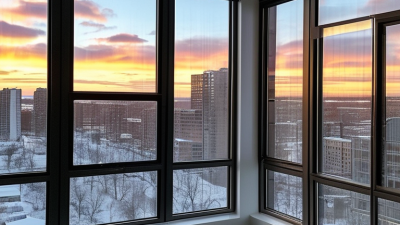
Choosing a sliding window for a global project requires more than comparing prices. Climate, building use, and maintenance capacity should guide the decision. In humid coastal areas, corrosion-resistant frames and sealed drainage paths are essential. In colder regions, thermally broken aluminum frames can reduce heat loss. Timber frames offer warmth and character, but they need regular surface protection. uPVC can provide reliable insulation, though large panels may expand noticeably in strong sunlight. Materials behave differently. Test them locally.
Glazing affects comfort, energy use, and safety. Double glazing may suit mild climates, while triple glazing can support colder buildings. Low-emissivity coatings reduce indoor heat loss, and solar-control glass can limit glare beside west-facing rooms. Laminated glass adds a useful safety layer. Frame depth must match the glass weight and wall structure. Opening mechanisms also matter. Lift-and-slide systems handle larger panels, but they need precise installation and stronger hardware. Standard sliding systems are simpler, yet they may feel stiff with heavy glass. I once focused too heavily on frame appearance and underestimated drainage details. That was a costly design lesson.
Tips: Check local wind and water-performance requirements before selecting a system. Request tested data, not only brochures. Inspect rollers, seals, and locks during sample reviews. Leave realistic installation tolerances. A perfect window can fail when fitted poorly. Reassess choices after reviewing cleaning access, replacement parts, and long-term maintenance.
Evaluating Suppliers, Costs, Maintenance, and Long-Term Value
Choosing a sliding window for a global project requires more than comparing catalog prices. Supplier reliability matters. Request factory test reports, installation records, warranty terms, and evidence of quality control. Check whether the supplier can provide replacement rollers and seals for at least ten years. A low-cost unit becomes expensive when spare parts disappear.
Energy performance should match the local climate. The U.S. Department of Energy reports that windows may account for 25–30% of residential heating and cooling energy use (Energy Saver, 2024). In hot regions, prioritize solar heat control and durable seals. In colder regions, focus on low thermal transmittance and airtight frames. The IEA reports that buildings consume about 30% of global final energy (Buildings 2023). Small design choices can scale into major operating costs.
Maintenance deserves equal attention. Specify corrosion-resistant hardware, removable tracks, and accessible drainage holes. Ask for cleaning instructions that local teams can follow without specialist tools. Total-cost models should include shipping, installation, inspections, repairs, and energy use. A five-year quote may hide a twenty-year liability. I have seen projects overvalue appearance and undervalue service access. That judgment is worth revisiting. Also, supplier data is not always comparable; confirm testing conditions before accepting impressive figures.