What Are the Top Sunshade Awning Types?
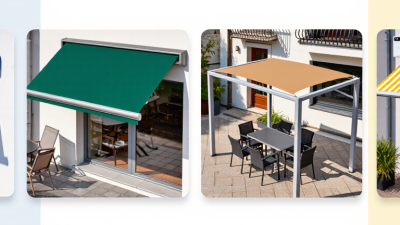
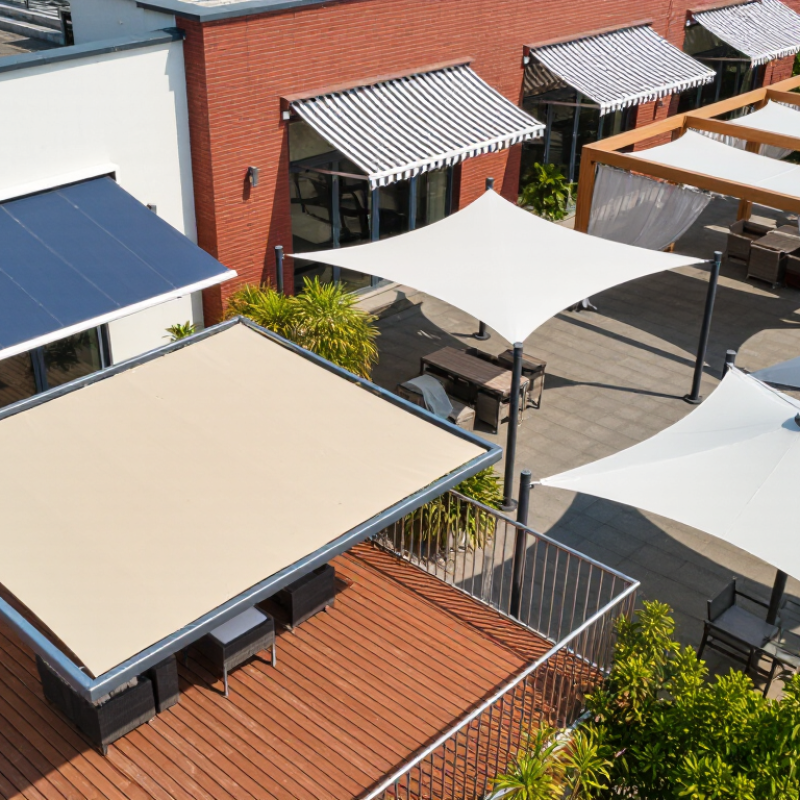
A Sunshade Awning can soften harsh afternoon light, cool a patio, and protect a shop window from glare. Yet “awning” covers several designs, and choosing one by appearance alone can lead to disappointment. A retractable model offers flexible shade over a deck; a fixed awning gives steady cover above a doorway. Freestanding canopies suit open garden seating, while drop-arm styles help shade windows as the sun shifts. Pergola-style systems bring a broader, more architectural feel.
“The best awning is the one that fits the sun, the space, and the way people actually use it,” says awning consultant Daniel Mercer. Treat that as a starting point, not a promise. Each site behaves differently. A west-facing window may need deeper coverage than a sheltered breakfast nook, and a narrow balcony may leave little room for projecting arms. Fabric color, frame strength, drainage, and ease of operation also matter. Small details count.
This guide compares the leading Sunshade Awning types and explains where each can work well. It considers shade coverage, flexibility, upkeep, and typical placement, rather than naming one universal winner. Measure the area at different times of day. Notice where rainwater runs. Then check what the structure can support. The categories are useful, but real installations do not always fit neatly into them. That part deserves a second look. A design that looks ideal in a showroom may feel awkward once chairs, doors, and changing sunlight enter the picture.
How Sunshade Awnings Provide Shade and Weather Protection
A sunshade awning can make a patio more comfortable by blocking direct sunlight before it heats the doors and windows. Retractable models let you adjust coverage as the sun moves, while fixed awnings provide steady shade over a doorway or seating area. Drop-arm styles can shade windows at a changing angle. Useful distinction. The fabric, frame, and installation all affect performance. A tightly fitted canopy may reduce glare, but it cannot keep every raindrop out.
For weather protection, look for fabric designed to resist ultraviolet exposure and occasional moisture. Check how water drains; a slight slope helps prevent puddles from collecting on top. In light rain, an awning may keep chairs and cushions drier. Strong wind is different. Many retractable models should be closed in gusty conditions, and the exact limit depends on the design and installation. A wall-mounted unit also needs secure support suited to the building. I once assumed a wider canopy would always feel better, but it also made the room noticeably darker. Measure the shaded area at different times of day, then consider whether airflow and daylight matter just as much.
Retractable Awnings: Flexible Coverage for Patios and Windows
What Are the Top Sunshade Awning Types?
Retractable Awnings: Flexible Coverage for Patios and Windows
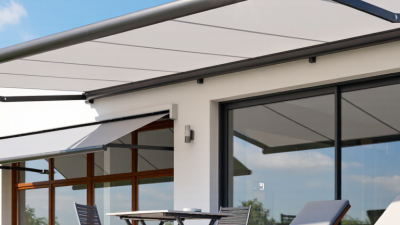
Retractable awnings adjust shade as the sun shifts, making them useful over patios and windows. Extend the canopy for afternoon glare, then retract it to bring more daylight indoors. On a patio, measure the table and chair area, not just the door. A narrow canopy can leave the seats in full sun.
The U.S. Department of Energy’s Energy Saver guidance reports that window awnings can reduce solar heat gain by up to 65% on south-facing windows and 77% on west-facing windows. These are maximum estimates, not guaranteed results for every home. Window direction, canopy size, fabric, and nearby trees all affect performance. That distinction matters.
Choose a frame and fabric suited to local wind and weather, and check the manufacturer’s operating guidance. Retractable designs offer flexibility, but they still need sensible use during strong winds. A common planning mistake is choosing projection by appearance alone. Mark the desired shade area on the patio first; the result may look less dramatic, but it is more useful. Windows also need clearance for shutters, handles, and opening sashes. Small details count.
Fixed Awnings: Permanent Shade for Doors and Outdoor Areas
Fixed awnings create reliable shade over doors, patios, and other outdoor spaces. Their frames stay in place, so there is no fabric to fold away when the weather changes. At an entry, an awning can shelter a visitor while they look for keys and help keep direct sun off the door. That is useful. A shaded doorway may also feel cooler on bright afternoons, though the effect depends on the wall’s direction, nearby windows, and local climate.
The frame and covering need to suit the building and its exposure. Fabric can soften glare and comes in different colors, while metal coverings offer a firm, low-maintenance surface. Neither option suits every home.
Check how the awning will handle wind, rain, and snow, and make sure water can drain away from the wall. Measure at different times. The sun’s angle shifts. A qualified installer can assess the mounting surface and select suitable fixings, especially for masonry or older walls. Keep leaves and dirt clear of the frame, and inspect joints after severe weather; small signs of movement are easy to miss.
Freestanding Awnings: Portable Shade Without Wall Mounting
Freestanding awnings create shade without attaching to a house, deck wall, or storefront. Their frames stand on posts, with a canopy stretched overhead. They suit patios, garden seating, temporary work areas, and rental homes where drilling is impractical. You can reposition one as the sun shifts. Handy, but not effortless.
The frame needs a level, stable surface. On paving, check that every foot sits flat; on grass, use the anchoring method specified for the awning. Wind is the main limitation. A broad canopy can catch gusts like a sail, so retract or secure it when conditions exceed the product’s stated limits. Extra weight alone may not make it safe. Water pooling can strain fabric and joints, so keep the canopy taut and clear after rain.
Before buying, measure the shaded area and allow space for legs, braces, and movement. Aluminum frames are lighter to move, while steel frames may feel steadier but take more effort to handle. Check fabric care, UV guidance, drainage, replacement parts, and setup time. A freestanding unit may need two people to assemble, and moving it daily can become annoying. That is easy to underestimate. It offers flexible shade, but less permanent protection than a properly installed wall-mounted awning.
How to Compare Awning Types by Use, Materials, and Installation
What Are the Top Sunshade Awning Types?
How to Compare Awning Types by Use, Materials, and Installation
Awning choice starts with the space you need to shade. Retractable models suit patios used at different times of day; they can open for sun and fold away in strong wind. Fixed-frame awnings provide steady cover over doors or windows, but need careful sizing. Vertical screens help block low-angle sun on balconies. That matters.
Fabric affects comfort and upkeep. Solution-dyed acrylic resists fading and dries relatively quickly, while coated polyester can be a lighter, budget-conscious option. Check the fabric’s UV rating, water resistance, and cleaning instructions rather than judging by color alone. Aluminum frames are light and resist corrosion; steel can feel sturdy, but its protective finish needs attention. No material is maintenance-free.
Installation deserves equal weight. A wall-mounted awning needs sound masonry or framing, suitable anchors, and enough clearance for doors and windows. A retractable unit also needs a secure mounting surface and room for its arms to extend. Measure the shaded area at different sun angles, not just the patio floor. I would leave a little extra clearance for drainage and moving parts; it can look less tidy, but prevent awkward collisions. For uncertain walls or large units, have a qualified installer assess the structure before fitting.
Ratings are typical qualitative comparisons on a 1–5 scale, not measured performance. Actual shade, weather resistance, and installation effort depend on dimensions, materials, structure, local conditions, and manufacturer specifications. Retractable awnings should generally be retracted in strong winds.